
 E-Paper



Wildbuzz: A bird in the bush
Panchkula-based Anu Garg discovered the warbler in February, but kept it under the wraps. She feared the location would be swarmed by mobs of birding paparazzi eager to secure a new trophy for “first pic” hot takes on social media and disturb the lone warbler

 Prefer HTon Google


A tiny winged wonder, given to skulking in the bush like a jungle lizard, has been added to the checklist of the tricity’s avians. A specimen of the migratory chestnut-crowned bush warbler (CCBW) was discovered in Chandigarh’s northern sectors due to diligent efforts by Panchkula-based Anu Garg. The significance of her find is worthier than local news, as this warbler had not been recorded west of Uttarakhand. Tim Inskipp, a leading authority on the sub-continent’s avians, certified the Chandigarh find thus: “This is a significant record, being the western-most world record and the first for the area.”
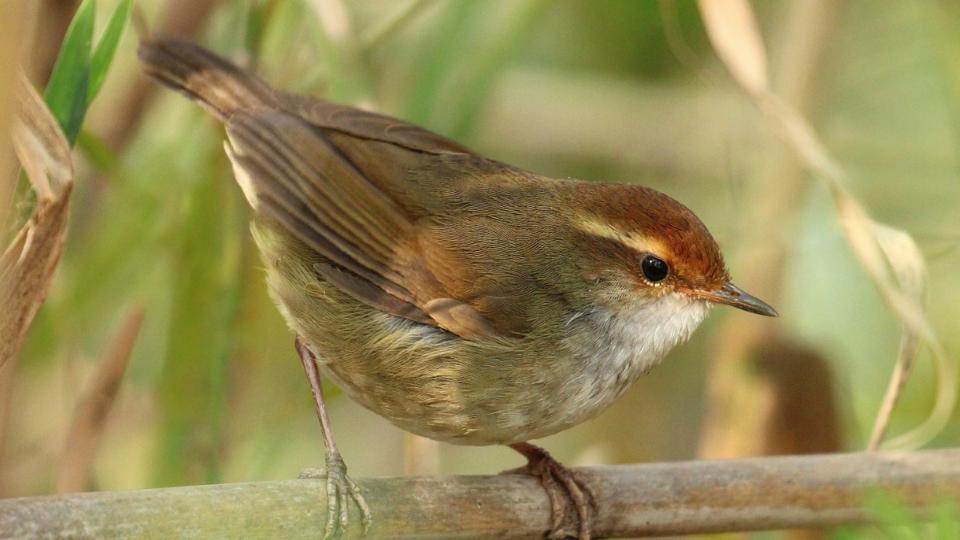
Garg discovered the warbler in February, but kept it under the wraps. She feared the location would be swarmed by mobs of birding paparazzi eager to secure a new trophy for “first pic” hot takes on social media and disturb the lone warbler. But when the avian departed for higher altitudes, Garg decided to take her find to the public domain. The CCBW migrates in February-March to the mountains with the onset of the avians’ “Durbar move”. There, along the towering tree-line, the warbler prefers to nest amid palaces of rhododendrons.
Warblers are diminutive and can be confused due to plumage/size similarities. Initially, there was doubt whether it was a CCBW or a grey-sided bush warbler. A determined Garg, encouraged by the guidance provided by experienced birder and avian explorer, Puja Sharma, stole to her secret spot again and recorded the warbler’s call. The call was distinctive from vocalisations of other warblers and conclusively established identity as CCBW.
Garg’s warbler tryst is inspirational and invokes the adage of the proverbial early bird bagging the worm. It had all started with the innocence and joys of a ramble in Chandigarh’s green, dewy environs. The sun was breaking out like a fried egg on soft-blue skies shedding moon and starry tints. “While birding one morning, I came across an avian with a distinctive and sweet call. I took a shot before it just disappeared,” Garg told this writer.
Domes of many coloured glass
All cosmic existence — whether it manifests as a hiss, a fish, a kiss, a human, a celestial nebula, black holes or galaxial rings — is a manufacture of star dust but cast in infinite variations.
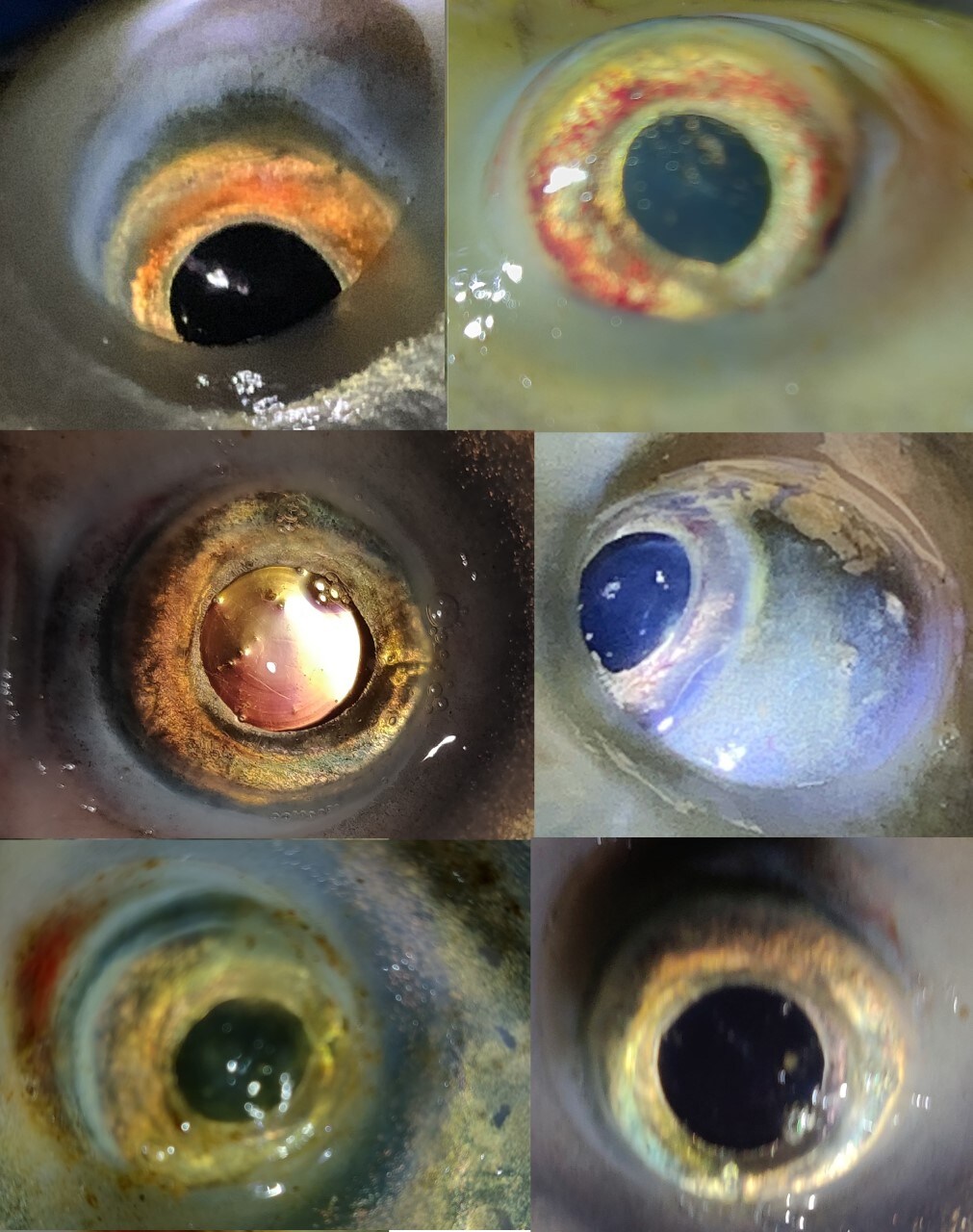
Vivid comparisons underwrote this universal theme when my camera flash beamed into the eyes of big fishes netted recently over 10 nights at Sukhna lake. They were “drowning in the air”, but their eyes were unblinking, silent and from whom life trickled like a sand clock. Characterised by rings and colourful domes, fish eyes made for a macabre spectacle. Few would have seen or imagined what manifestations of star dust embed those ocular depths, since fish are inaccessible compared to say, tigers, birds or a blue-eyed starlet.
The revealed eyes of secretive creatures, dwelling upon what is just a pale blue dot in the universe, were surreal. The churn of star dust connected them to the cosmos beyond Sukhna’s dark horizon. Telescopes prying into that “stranger than we can imagine” cosmic array of colour, figure and ring fetch bewildering images that mirror fish eyes.
vjswild1@gmail.com


