
 E-Paper



PU senate to discuss NEP adoption plan for undergraduate courses
Several committees had been constituted to examine ways to adopt NEP by the varsity after the University Grants Commission had issued guidelines for the programme


As all agendas were passed in the syndicate meeting on Saturday, the adoption of National Education Policy (NEP) for the undergraduate courses at Panjab University (PU) and affiliated colleges will be tabled for approval before PU senate in the meeting scheduled for June 3.
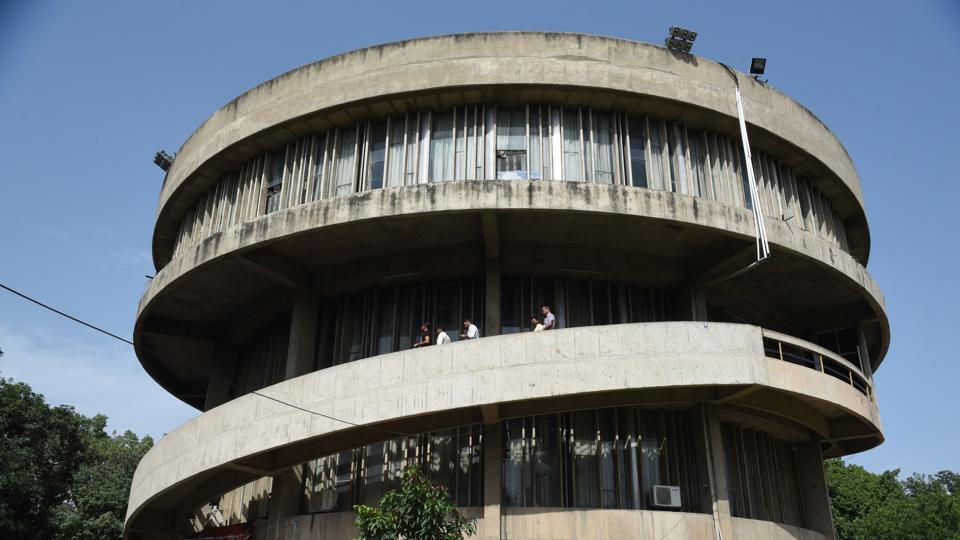
As many as 26 agendas will come up for consideration during the meet.
Several committees had been constituted to examine ways to adopt NEP by the varsity after the University Grants Commission had issued guidelines for the programme.
PU has proposed to adopt these guidelines for curriculum and credit framework for undergraduate courses from the 2023-2024 academic session.
If adopted, the undergraduate degree will be of either of three or four years, with multiple exit points during the degree.
Candidates choosing to exit after the first year will get a UG certificate and those exiting after two years will ger a UG diploma.
Although a bachelor’s degree will be awarded after three years, the most preferred option is to do the four-year multidisciplinary UG programme as it gives a holistic experience to the students as per the commission.
The students have to finish the degree in seven years’ time. Those choosing to exit with a diploma or a degree can resume their degree as long as they finish within seven years.
Sources said that although some resistance is expected, especially from affiliated colleges, the senate is expected to approve the agenda just as the syndicate did.
Apart from this, 29 agendas will be put up for ratification and 24 for information.
Other important agendas to be taken up for consideration include adoption of National Academic Depository-Digilocker, in totality along with degree templates of UG and postgraduation courses and a template for appointment of assistant professors, associate professors and professors in private aided and unaided colleges.


