
 E-Paper



PAU exhorts residents to grow fruits at home
Fruit nutrition garden model, spanning an area of 625 square meters (25 m x 25 m), have a collection of 22 different fruit trees

 Prefer HTon Google


Concerns regarding chemical contamination of store-bought fruits have prompted Punjab Agricultural University (PAU) to develop a model “Fruit Nutrition Garden”, empowering families to grow a variety of fruits at their own homes throughout the year.
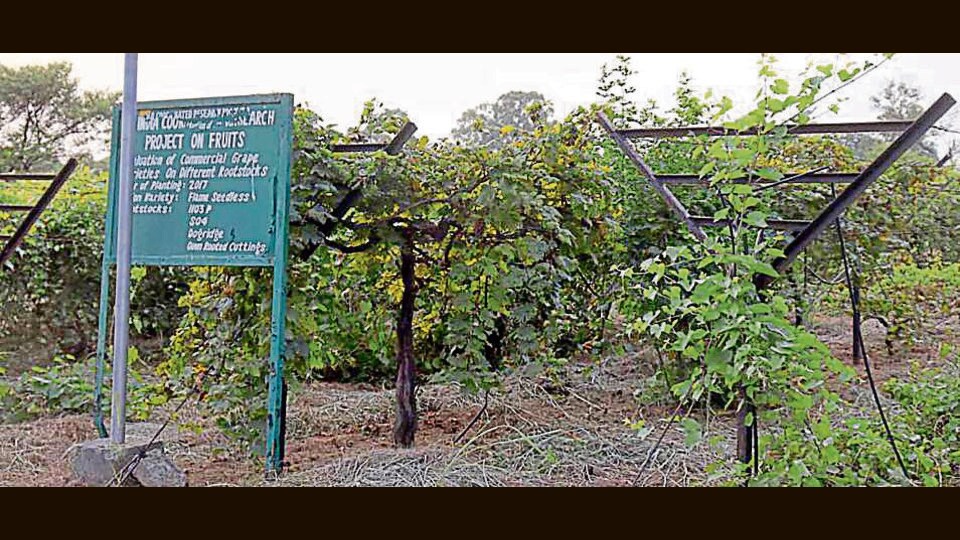
“Fruit nutrition garden model, spanning an area of 625 square meters (25 m x 25 m), have a collection of 22 different fruit trees. With careful planning and selection, this garden provides families with essential nutrients like calcium, phosphorus and iron from the comfort of their homes. To ensure the establishment and yield of these long-term fruit crops, the university offers valuable guidelines on the right fruit selection, type, and positioning within the garden,” stated an expert Dimpy Raina.
One of the basic considerations in setting up a nutritious fruit garden is to segregate evergreen and deciduous fruit trees. Trees like mango, litchi, jamun and sapota are recommended for the northern part of the garden to benefit from shade. Citrus fruits and guavas find a suitable home in the inner part, while deciduous trees such as apple, pear, peach, plum and pomegranate thrive in the south-eastern section. Papaya and banana can be cultivated in the southern row, grape varieties on the eastern side using the Y-trellis method and karonda and phalsa on the western side. Sweet lime should be planted as a hedge on the northern side.
“Establishing a fruitful nutrition garden demands careful attention to specific steps. Prior to digging and planting, one must adhere to recommendations for fruit plant selection, planting time, garden layout, basic maintenance, training pruning, fertilizer application, watering, insect pest management and harvesting. For evergreen fruits like citrus, mango and guava the ideal planting times are February-March and September-October. Deciduous fruit trees, such as peach and plum, should be planted in winter while they are in the dormant stage preferably before the new flowering season begins,” said PAU expert Monika Gupta.
Each plant should be placed in pits one metre deep and one metre in diameter, filled with equal quantities of topsoil and manure. Watering before planting is crucial and adding soil on top and mixing with 15 ml of Chlorpyrifos 20 EC per pit helps prevent erosion.
Special care should be taken while planting grafted plants to ensure the bud union remains above the ground. Adopting organic methods like mulching, use of straw/plastics for weed control, farmyard manure, neem compound spraying for insect control and PAU fruit fly traps can reduce the need for pesticide chemicals.
In regions prone to frost it is crucial to protect fruit plants especially papaya and banana. Newly planted trees, including mango, litchi, Amla, and guava, must also be safeguarded from cold and frost.


