
 E-Paper



PGI faculty miffed by delays caused by collegium system
The collegium system is aimed at infusing new ideas and fostering collaboration though everyone’s consent. However, some of the doctors say it’s instead hampering their autonomy

 Prefer HTon Google


Five months after being introduced, the collegium system at Post Graduate Institute of Medical Education and Research (PGIMER) is causing delays in works such as sending students for international conferences or fellowships, adjusting bed capacities and research-related tasks, say a section of institute’s faculty.
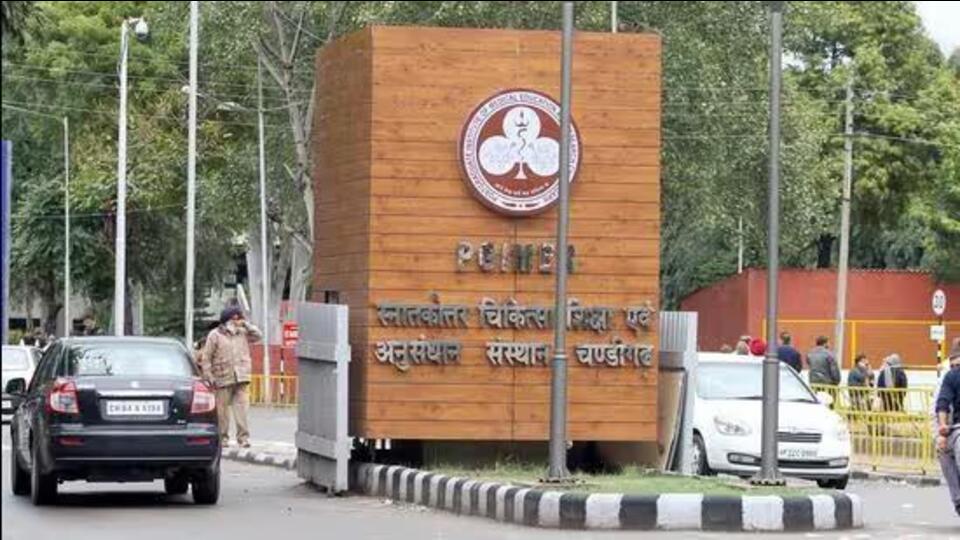
The system is aimed at infusing new ideas and fostering collaboration though everyone’s consent. However, some of the doctors say it’s instead hampering their autonomy.
On July 18 this year, the Union ministry of health and family welfare had issued a letter to directors of All India Institute of Medical Science, PGIMER, and Jawaharlal Institute of Postgraduate Medical Education and Research, regarding the collegium system.
Consequently, collegiums were established in all 48 departments of PGIMER.
Under this system, the department head can no longer take decisions alone and the approval of senior doctors has been made obligatory for every task, regardless of its size.
The collegium is composed based on the number of faculty members. For departments with over 10 faculty members, the collegium consists of four members selected by seniority, along with one or two appointed on the director/dean’s (academic) directive.
In departments with six to 10 or less than five faculty members, the collegium comprises three and two faculty members, respectively, with one appointed member in each.
A senior doctor seeking anonymity said that waiting for everyone’s meeting, even for minor tasks, had become a hindrance, especially when not all of the seniors were present in the bimonthly meetings.
The doctor added that the requisite majority approval rather than unanimous agreement added to complexities in decision-making. In case a matter was not ratified by the collegium, it was escalated to the director or dean, who served as the final decision-making authority.
“As many doctors are prioritising certain tasks and causing prolonged delays for others, the discord within departments has grown. With the high patient influx at PGIMER, the additional process was adding delays and workload,” said another senior doctor on condition of anonymity.
A top PGIMER official said although the system caused delays, works were being approved and implemented only after proper verification.
The PGI Faculty Association has been urging for rotational headship within the institute over the past few years. A five-member committee appointed by NITI Aayog discussed the matter over eight meetings. Eventually, the collegium system was adopted instead.
Hospital’s medical superintendent and official spokesperson Dr Vipin Kaushal said the matter had been marked to the dean.


