
 E-Paper



Pollution in Ghaggar: NGT directs UT, Punjab to ascertain amount of sewage discharge
A committee constituted by NGT identified 24 points in Chandigarh and Punjab where polluted sewage was being discharged into Ghaggar

 Prefer HTon Google


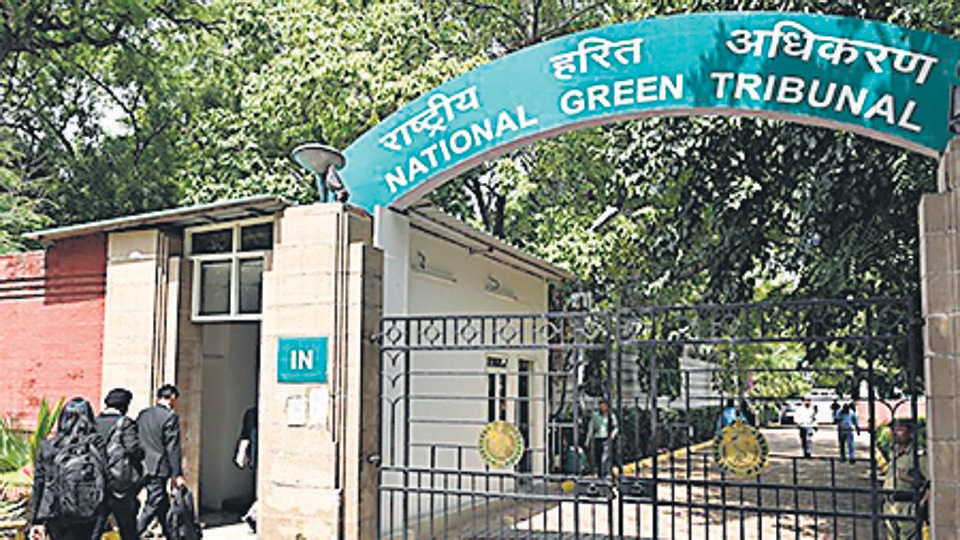
The National Green Tribunal (NGT), New Delhi, has directed a committee to ascertain the quantity of sewage being discharged by Chandigarh and Punjab into the Ghaggar river.
The committee has also been asked to elaborate on treatment of sewage to restore water quality of the river.
The directions were given after a committee constituted by the NGT had, on three different dates in August and September, identified 24 points in the drain in Chandigarh and Mohali area where sewage could be checked/stopped.
Further it was told that the sampling of water/waste during monsoon season had been completed and the analysis reports were under evaluation by the joint committee.
The committee comprised members from the Punjab Pollution Control Board (PPCB), Chandigarh Pollution Control Committee (CPCC) and Central Pollution Control Board (CPCB).
The matter before the NGT was taken up by Sunaina, an advocate, submitting that statutory authorities in Punjab and Chandigarh had to install necessary sewage treatment plant to stop discharge of polluted water in the drain originating from Chandigarh and passing through various sectors and villages of Mohali, before merging into Ghaggar river. But had failed.
The pollutants are affecting the ecosystem, including aquatic life and public health. Discharge of untreated sewage into the drain is in violation of the Water (Prevention and Control of Pollution) Act, 1974, and constitutional obligation under Article 243W and also citizen’s right to clean environment, it was argued. It was also argued that since the wastewater of the drain was used for cultivation of crops and washing of vegetables consumed by residents, it was affecting the food chain and public health, the lawyer submitted.
Taking note of the issue raised in June, the NGT had directed the chief secretary, Punjab, and the adviser, Chandigarh administration, to take remedial measures to comply with the mandate of law. A joint committee was also asked to inspect the drain and furnish a status report.
The committee had submitted a report on September 20 after site inspection. Taking note of that report, the NGT posted the matter for October 30 and directed the committee to ascertain the status of the quantity of sewage being discharged by UT and Punjab, along with suggesting ways to improve water quality.


