
 E-Paper



Pollution woes to end as Pak assures free flow of Fazilka drain into Sutlej
The Punjab government has to ensure that the Fazilka drain, one of 22 drains where untreated wastewater is discharged by municipalities of the Malwa region, remains free from pollutants before it merges into Sutlej


BATHINDA: The Pakistan government’s assurance to India to undertake all necessary actions for free flow of Fazilka drain into the Sutlej has come as a big relief to villages in the border district of Punjab.
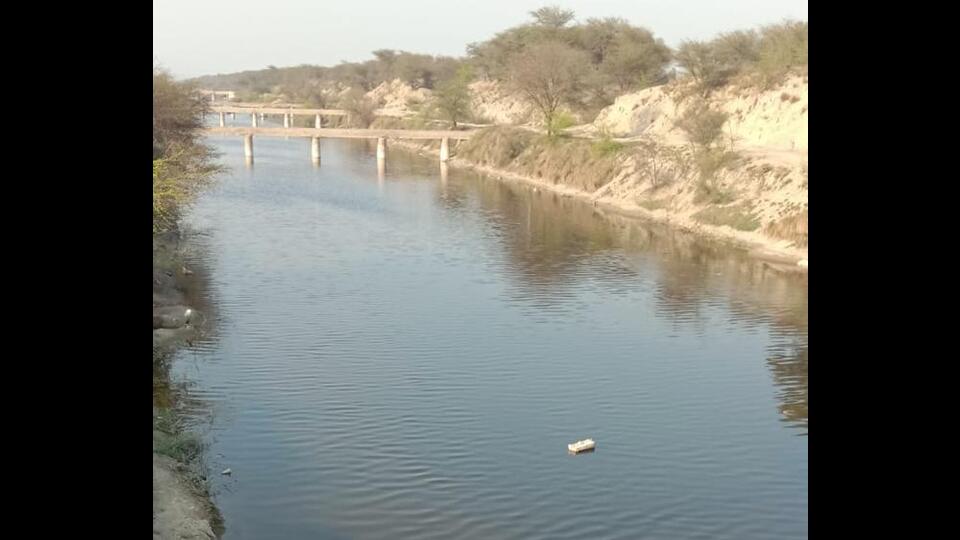
According to information released by the ministry of external affairs (MEA) on Thursday, Pakistan’s commitment came during the 117th meeting of the Permanent Indus Commission (PIC) held from March 1 to 3 in Islamabad.
However, the Punjab government has to ensure that the Fazilka drain, one of 22 drains where untreated wastewater is discharged by municipalities of the Malwa region, remains free from pollutants before it merges into Sutlej.
The plight of these villages, which is also under the watch of the National Green Tribunal (NGT), has been regularly highlighted in these columns since August 2019. The discharge of untreated wastewater is accumulating for the past over five years in Fazilka’s vicinity.
The problem multiplied when Pakistan blocked the Fazilka drain from entering its territory. Officials say Pakistan blocked the channel due to the presence of a high concentration of pollutants, including untreated sewage in it.
According to the Punjab Pollution Control Board (PPCB) data compiled in September 2021, accumulated water in Fazilka, which has spread over 3 kilometres in the form of a pond, still had fecal coliform bacteria and biological oxygen demand (BOD).
PPCB secretary general Krunesh Garg attributes environmental pollution to the absence of sewage treatment plants (STPs) and the low efficiency of existing treatment facilities in various districts.
“Following the NGT’s directions in August 2019, coordinated efforts are being made to improve the situation. The state government has empowered principal secretary of the local bodies department to ensure operation and maintenance of the existing STPs. Towns without STPs are being provided with facilities,” he added.
Vikram Ahuja, a farm rights activist from Fazilka, who had filed a petition before NGT three years ago, said the development was a breather to local farmers. “Sewage of 21 municipalities of Punjab’s Malwa belt is flowing through the drain into the district. As its outlet was stopped by Pakistan, accumulated wastewater resulted in contamination of groundwater and adverse impact on crops,” he said.
Following Ahuja’s petition, the NGT constituted a monitoring committee under justice Jasbir Singh (retd, which directed the Punjab government to take remedial steps.
The state panel stated that the drain is closed at the border, leading to stagnation in the shape of ponds and deterioration of quality of groundwater in the border area. The contamination of groundwater has been detected at more than 100ft in the border area, it had found.
Last year, the state panel had directed the chief secretary to apprise the Union government about the blockade of the Fazilka drain by the Pakistani authorities.
Prof VK Garg from the department of environmental science and technology of the Central University of Punjab said the presence of faecal matter is hazardous to the environment and confirms that untreated sewage is being discharged.
“If such wastewater is allowed to enter a river, it would have an adverse impact on the aquatic flora and fauna. Prolonged stagnation of such untreated water may cause soil sickness which means an imbalance of nutrient availability and accumulation of toxic substances in soil,” he added.


