
 E-Paper



Punjab: Paddy farmers hit by dwarf virus in July feel the pinch
Jagtar Singh, a farmer and leader of the BKU Ekta Ugrahan union, said the PUSA varieties, which the government had banned, were affected by the virus. He added that alternative varieties recommended by the chief minister, such as PR 126 and PR 131, were not suitable for the sowing period

 Prefer HTon Google


As paddy procurement kicks off in Punjab, farmers in areas affected by dwarf virus in July are feeling the pinch.
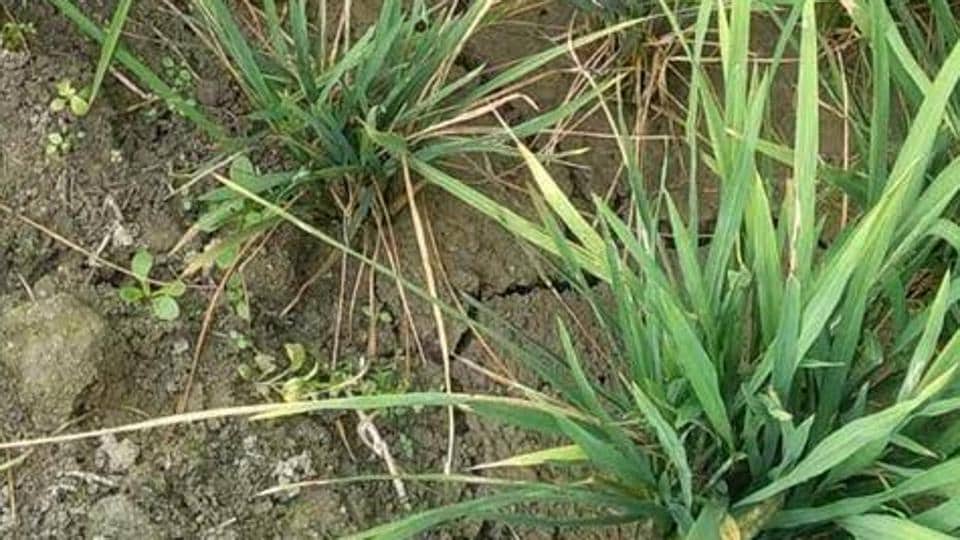
Dwarf virus causes stunting, yellowing and withering of the crop, effectively bringing down the yield. While the virus was reported from across the state, Ropar, Fatehgarh Sahib, Pathankot, Patiala, and Sangrur were the most affected.
Farmers claim that despite their losses, they received no support from the agriculture department.
Rajveer Singh, a farmer from Laddi village of Sangrur, said that he had sown paddy over 60 acres, out of which 20 acres were hit by the dwarf virus. He added that neither had anyone from the agriculture department visited their field to assess the crop damage, nor were they being provided sprays to prevent the virus. Private vendors, he claims, charge exorbitantly for the sprays.
Jagtar Singh, a farmer and leader of the BKU Ekta Ugrahan union, said the PUSA varieties, which the government had banned, were affected by the virus. He added that alternative varieties recommended by the chief minister, such as PR 126 and PR 131, were not suitable for the sowing period. Singh said the cost of sprays often exceeds the yield’s value, which makes it unviable for farmers. He sought compensation for the farmers who had suffered losses. An agriculture expert from Punjab Agriculture University (PAU) explained that the virus can attack other varieties of paddy as well like PR 131, PR 126, and PR 121.
Sangrur chief agriculture officer Dharminderjit Singh confirmed that the department had received reports of 32 affected acres in July and recommended sprays to control the vector that spreads the disease. He clarified that while there is no direct cure for the disease itself, spraying can help prevent its spread.
Dr Rubaljot Koonar, a principal entomologist at PAU, explained that the virus is spread by the white-backed plant hopper. She said that crops already infected cannot be recovered, but timely management of the vector can prevent the virus from spreading to other plants.


