
 E-Paper



Punjab will turn into desert if famers don’t come out of wheat-paddy cycle: Expert
Dr Khush, the man behind green revolution in rice farming, was here in Patiala to attend a Kisan Mela organised by the Punjab Agricultural University (PAU)


World Food Prize winner Dr Gurdev Singh Khush expressed concerns over high dependency of Punjab farmers on paddy. Dr Gurdev Khush on Friday said Punjab would become a desert state in a decade if state farmers don’t switch to other crops soon.
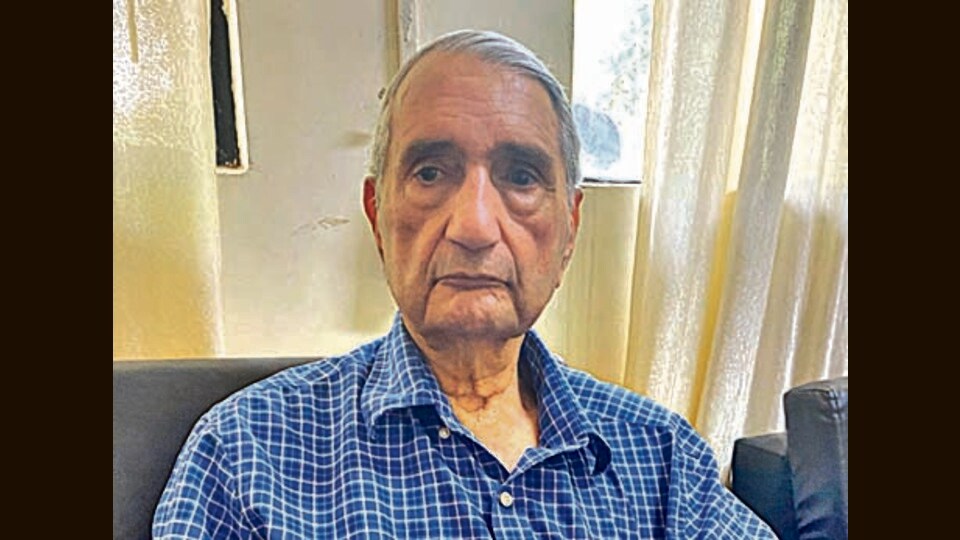
Dr Khush has spent 35 years directing and participating in rice genetic research and breeding at International Rice Research Institute (IRRI) in the Philippines as a plant breeder.
Dr Khush, the man behind green revolution in rice farming, was here in Patiala to attend a Kisan Mela organised by the Punjab Agricultural University (PAU).
Notably, Dr Khush is known as the Father of ‘Super Rice’ because of his groundbreaking work, particularly the development of the IR36 rice variety, which has had a profound impact on rice cultivation worldwide.
Though paddy is a high-income crop, given the increasing paddy cultivation acreage, Khush said farmers should adopt crop diversification at the earliest for sustainable farming. He added that there were three techniques which could reduce the use of water for paddy.
“Direct seeded rice (DSR) technique; alternate wetting and drying (AWD); and use of short duration wheat variety (which will reduce the number irrigation required for paddy) are the methods to reduce the usage of water for paddy,” Khush added while saying that these steps could reduce water usage by over 30%. He claimed that these steps would have no impact on input cost and yield would also improve.
Calling for a behaviour change, Khush urged farmers to switch to growing other crops such as maize, soyabean and sunflower. “Farmers should realise their responsibility towards the coming generations and utilise the resources judiciously. Punjab farmers should come off this traditional wheat and paddy cycle to conserve groundwater,” said Dr Khush.
“If Punjab farmers continue with this crop (paddy), the state will transform into a desert. We will not be able to cultivate crops anymore,” said Dr Khush.
Khush, however, felt that it was the government that had to play an important role to bring out the farmers from this conventional wheat-paddy cycle. “I know some farmers have already experimented and adopted crop diversification. Sadly, these farmers didn’t benefit much and thus couldn’t sustain it (crop diversification).”
He said the state government should, for a fixed period, buy other diversified crops as they do with paddy and wheat to ensure farmers don’t suffer financially. “Government should facilitate farmers in adopting crop diversification by providing machinery,” he said.


