
 E-Paper



Rain washouts whitefly threat in South Malwa; Agri experts warn cotton growers against bollworm attack
Experts from the Punjab Agricultural University (PAU) and the state agriculture department said that showers would take care of the threat of whitefly infestation to the cotton crop.


The maiden spell of rain that hit the entire southwest region on the first day of August ended a prolonged dry spell that prevailed for almost a month of the kharif season and has offered farmers a glimmer of hope.
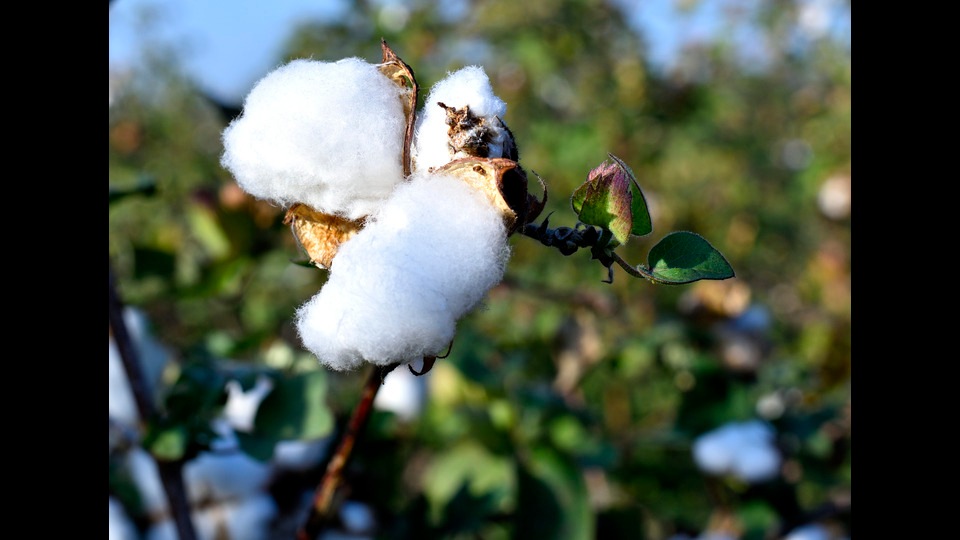
Experts from the Punjab Agricultural University (PAU) and the state agriculture department said that showers would take care of the threat of whitefly infestation to the cotton crop.
According to PAU’s observatory at the Bathinda-based regional research centre, 63.2 mm of rainfall was recorded on Thursday. A change in weather brought down the maximum temperature to 27.2 degrees Celsius, a sharp fall of 10 notches since July 31.
The metrological department has forecast more rain later this week, and agriculture experts said that widespread shower is a boon for rice and cotton cultivation in the semi-arid belt.
PAU principal entomologist Vijay Kumar said that based on the field inputs sent by the farm scientists of Krishi Vigyan Kendras (KVKs), an immediate threat of the whitefly has been ruled out as the rain will wash out the adult population of pests.
However, he added, farmers are required to stay vigilant as much of the whitefly growth will depend upon the climatic conditions in the coming weeks.
“This kharif season, the Malwa belt recorded a scanty rainfall. A largely dry and humid conditions for almost a month were affecting the cotton crop as the climate was conducive for the whitefly population. Field surveys had confirmed grave threat of infestation in the want of ample rainfall in the region,” said the expert.
Kumar said as cotton would reach the flowering stage by the next week, farmers have been advised to keep a vigil to handle pink bollworm attacks.
Fazilka chief agriculture officer (CAO) Sandeep Rinwa said the whitefly population was noticed in several villages, but it was below alarming levels and was controlled with insecticides.
“In the last week of June, a few pockets reported pink bollworm and that was controlled. After the rainfall, farmers will now put nutrients in the fields that will lead to swift growth of plants and healthy crops,” Rinwa said.
He said another survey would be undertaken to ensure that cotton sticks that are commonly used as firewood and contain pink bollworm larvae are removed from the fields.
Assistant professor (plant protection) at Bathinda KVK, Vinay Pathania, said that there was no report on pest infestation going beyond the economic threshold limit (ETL) in the district and the extension teams have advised cotton-growers to continue watching any indication of pests in their fields.
Rain inundates low-lying areas
Heavy rain that lashed the south Malwa region since Thursday morning, led to waterlogging in the low-lying areas of Bathinda and adjoining districts.
The roof of a house at Bathinda’s Prajapat Colony collapsed, causing damage to the household items. The family was not at home when part of the house was damaged by the rain.
In Bathinda, the Power House road locality was worst hit, where water accumulated up to 3 feet on the streets. Similarly, commercial and residential areas of Mall Road, Vir Colony and Paramram Nagar were hit due to waterlogging.


