
 E-Paper



Resolving farm crisis: Assured procurement of pulses at MSP
Guest Column: The country has to develop and adopt more efficient crop production techniques along with favourable marketing policies and price support mechanism. The lack of an assured market is the main reason for the poor availability of pulses


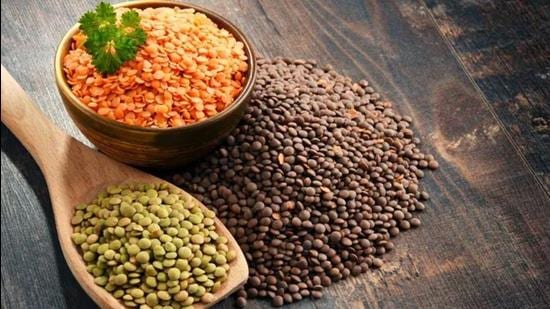
India is the largest producer of pulses. Since the population has low-income levels and people are largely vegetarian, pulses provide good quality protein, and they contribute significantly to the nutritional security of the nation. In India, pulses are cultivated in both the kharif (autumn) and rabi (spring) seasons. Madhya Pradesh, Maharashtra, Uttar Pradesh, Andhra Pradesh and Karnataka account for nearly 80% of the total area under pulses. The important pulses produced in India are gram (chickpea), tur (pigeon pea), urad (black gram), moong (green gram), masoor (lentils) and peas.
Also read: BJP to focus on delinking agitation from farm issues
Even though we are the largest producer of pulses, the population growth has outpaced the supply of this essential commodity. While production has grown at 1% from 1970 to 2013, the population grew at 2% per year. At present, the domestic consumption is about 25 million tonnes. It does not meet the demand for pulses. This year, India will import three million tonnes of pulses worth about $1.5 billion. The import of pulses has been moved from the ‘restricted’ to the ‘free’ list. Since 2015, the country has imported pulses worth ₹1,08,200 crore. India is the largest importer of pulses in the world.
India imports dry peas and lentils from Canada and the United States. Australia and Russia are the major suppliers of chickpeas to India. Large quantities of urad, moong and pigeon peas are imported from Myanmar. In 2018, India signed an agreement with Mozambique for the import of pulses for the next five years.
Low productivity of pulses
The productivity of pulses in India is low. It is only 755kg/ha as compared to 1,900 kg/ha in the US and Canada. We grow pulses in rain-fed conditions in regions where there is widespread variability in precipitation. The production of pulses is caught in the vicious cycle of low and uncertain yields and poor per hectare returns. As a result, farmers give least preference to grow pulses on fertile and irrigated lands. The overall result is unstable and low yields. There is an inadequate adoption of production technology leading to production risk. Worst of all, prices are highly volatile. Imports hurt indigenous farmers and the milling industry.
The results from household consumption surveys indicate a decline in the consumption of pulses leading to an increase in malnutrition. About 15.2% of the people in India are undernourished. Making pulses available at affordable prices by boosting domestic production is the best strategy for providing nutritional security to the poor masses, relying on a vegetarian diet. The country has to develop and adopt more efficient crop production techniques along with favourable marketing policies and price support mechanism. In fact, the lack of an assured market is the single most important reason for the poor availability of pulses in the country.
Step towards sustainable agriculture
If the government were to guarantee procurement of pulses at the MSP, backed by a law to this effect, production of pulses would move to irrigated lands as well. Backed by technological support with high-yielding variety seeds from the agriculture universities, along with a package of practices of use of fertilisers and pesticides in proper doses, domestic production will soon bring about self-sufficiency. We must remember that pulses fix biological nitrogen and need less water. This diversification will be an important step in sustainable agriculture.
For enhancing the nutritional status of the poor masses, pulses should be included as an item in the public distribution system. Punjab has already implemented the ‘atta /dal’ scheme in the state. To procure a sufficient quantity of pulses Nafed, FCI, STC and state government agencies, such as Punsup and Markfed, should be roped in.
Post-harvest management and transport
The Government of India should arrange funds. Procurement must happen in already declared APMC market yards as the farmers have confidence in the arrangements. Mechanisation of procurement operations with an automatic facility for cleaning and weighing would be a step forward.
We must remember that the infrastructure required for post-harvest management of farm produce will not come cheap. But it is a necessary precondition for smooth operations along with a road network to help the producer reach the market. The hitherto levied market fee and rural development fund must be restored, or the arrangements so painstakingly built for national food security will crumble.
Sufficient procurement of pulses in different states for supply to the poor in those regions will provide farmers with assured income and lead to a more prosperous nation as the farmer is a buyer of all consumer goods. In fact, making the farmer prosperous by payment of appropriate rates will actually give a fillip to the economy. Which government would not be happy to enjoy this bonanza?
Area under cereal crops will shrink
One spinoff side-effect of the scheme to mandatorily purchase pulses (and oilseeds) at the announced MSP is that the area under cereal crops will shrink. Money saved from procurement of cereals can fund the purchase of pulses by government agencies. This can be supplemented by building and utilising a reserve fund by exporting cereals that are far above the buffer stock level. The export of food grains would be a welcome relief to the spiralling mountains of wheat and rice that cost the nation dearly in terms of procurement and carrying costs.
Pulses in India are the ‘poor man’s meat’ and ‘the rich man’s vegetable’. The nation has the capacity to ensure its production at home at affordable prices. So, let’s all join hands and do it. dhanbirbains@gmail.com

The writer is a retired Punjab IAS officer and has a master’s degree from Harvard University. Views expressed are personal


