
 E-Paper



Roundabout | From the magical pens of women storytellers
Women storywriters of our times have taken the magic of grandma’s bedtime tales to great heights, they are making immense contributions to modern fiction with their feminine impulses balancing between dream and reality


Thirty-six and single, Laura sits in the office doing a job that promises little by way of surprise or adventure. Much of life has passed her by and the card sitting on her desk when she came in reminds her yet another year has gone by.
She has not yet opened the card yet, which she dismisses as the annual ritual of the human resources department. Finally, the fluorescent swirls on the shiny card implore her to cut open the envelope and the words that meet her eye speak loud and clear: “Congratulations: your wishes have been granted!”
What follows is a fantasy parade of sorts starting with her childhood love for candy. It was a wish made on a chicken bone that she had broken with her brother on her 11th birthday. Indeed, an elf delivers her a lifetime of supply of sweets: box after box of Sherbet dib dabs, mixed liquorice, cola cubes, honeycomb crunch, watermelon bon-bons and more, which she rejects out of concern for her teeth. But she cannot help herself, and keeps just one box of ‘crumbly fudge’ which she shares with her brother Nigel when he comes to wish her at home with a bottle of red wine.
The strange business of wishes coming true carries on and she beats Nigel at a bout of wrestling with a strange new power. The next humdrum day at the office is filled with excitement as her school hero Robin Godiver whispers in her ear ‘Did anyone wish for a horse?’ and carries her away, astride his beautiful white steed.
Reading this delightful story of wishes being horses by Camila Chester, who has a small dog-walking business and lives with her husband in Hertfordshire, England, one is reminded of all the wishes one rode on as a kid and in adolescence.
The most prominent one being that a fairy would come with wand and paint my dark skin into ‘roses and peaches for all times’. Then there was the wish for a magic pencil that would do all my homework. And there is the lament that I would not have missed my eighth birthday celebrations if my daddy had not decided to call it a day two months earlier. The list is enormous and makes one smile as one reads the story, Terms and Conditions.
The magic of storytelling
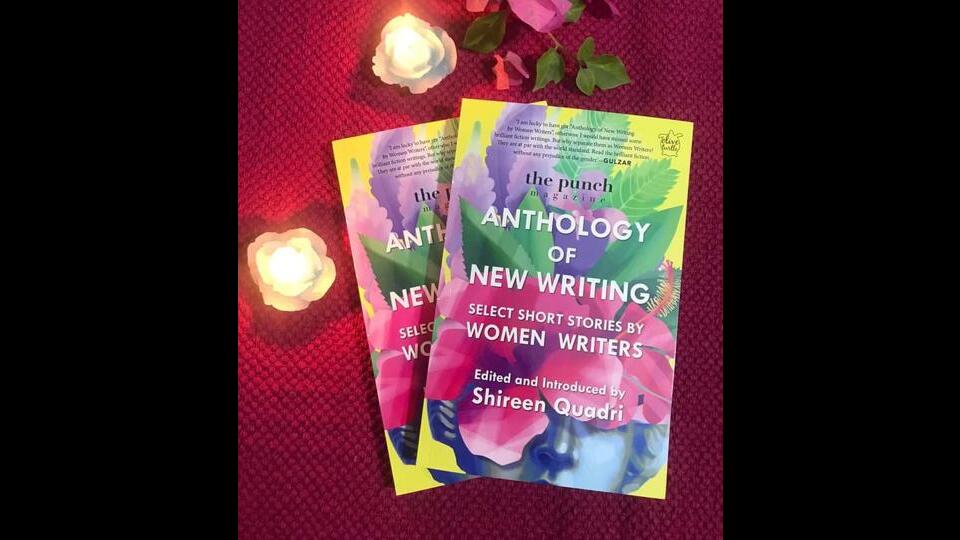
This story is included in the Punch Magazine Anthology of New Writing by women writers and it encases the feminine literary impulse in all its glory. One could go on relating the 18 stories that complete the volume, but let me not be a spoilsport for those who have yet to read them. But two stories that I am impelled to touch upon are ‘The Dance of the Happy Muse’ by Rinita Banerjee and ‘Ghost’ by Mehr Pestonji, a well-respected name in journalism, when the likes of me had just about started as scribblers.
Banerjee’s story opens in a museum before the wax, clay and metal armature of Edward Degas’ famous painting ‘Little Dancer Aged Fourteen’ and a youth gazing at it enraptured as the phone in his trouser pocket when he is witness to a woman intervening between him and the fantasia of the statue and cutting her wrist and crying out ‘Help, Help’. This breaks the reverie of the onlooker who must return to the humdrum of life from art, crushed as he is by parental responsibilities of his own life.
Moving onto Pestonji’s story ‘Ghost’, we are in the thick of Mumbai in the home of a Parsi family that has seen better days and the dreams are all set on the son of the house who has the academic excellence of his late grandfather.
This is the young Kaizad bright and fond of ghost stories till he spots his grandfather’s denture and spectacles in the attic and decides playing ghost to the detriment of the family whose home, which they plan to sell for his education, is branded haunted. From one story to the other, it is a display of great talent and insight by women writers from home and abroad.
The feminine impulse
This delightful collection of short stories, which range from the personal to the political, includes 18 stories that were invited by Shireen Quadri, editor of The Punch Magazine, Delhi, in 2019 and to her happy surprise the number of women storytellers outnumbered men and it was then that she took the decision to publish an all-woman collection.
Poet Gulzar who endorses the collection with compliments, however asks: ‘But why separate them as woman writers. They are at par with world standard.”
He also advises the reader to read the ‘brilliant fiction’ without any prejudice as a gender. Pardon Gulzar Sahib, writing like a woman is the phrase these days replacing all old pride and prejudice. Quadri sums it up thus: “The stories in this anthology reflect a certain kind of sensibility and sensitivity. It takes us along to the pathways these writers forge to create art through the rhythms and ruptures of life.”


