
 E-Paper



Sale of energy drinks banned near schools in Ludhiana, violators to face ₹2-lakh penalty
The health department has barred the sale of energy drinks within 50 metres of govt, pvt schools in urban areas and 100 metres in rural areas, restriction also applies to school canteens

 Prefer HTon Google


The health department has barred the sale of energy drinks within 50 metres of schools in urban areas and 100 metres in rural areas. The restriction also applies to school canteens.
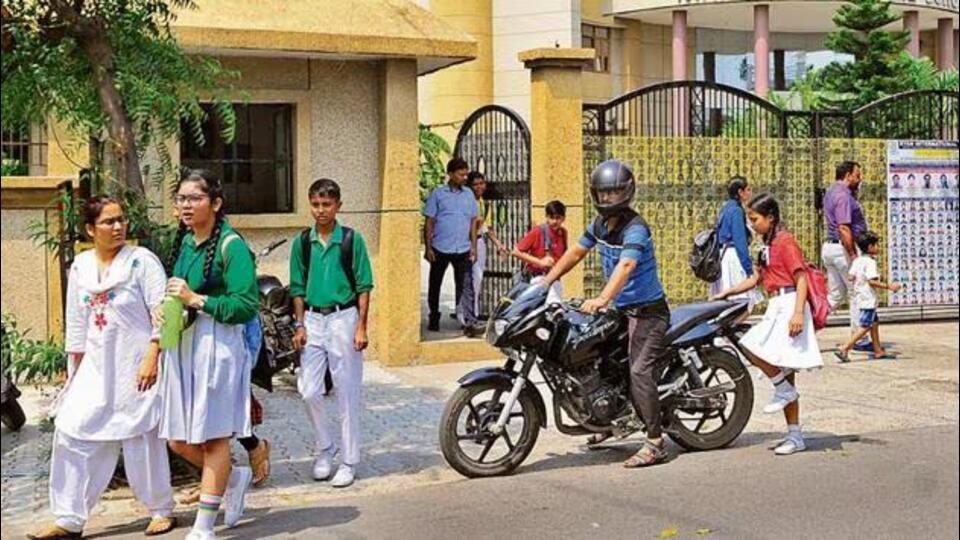
Ludhiana The health department has banned the sale of energy drinks near schools across Ludhiana district to curb rising consumption of high-caffeine beverages among children, warning that regular intake can adversely affect their physical and mental health.
Officials said violators can be penalised up to ₹2 lakh under provisions of the Food Safety Act.
Under directions issued by the state headquarters, the sale of energy drinks has been prohibited within 50 metres of schools in urban areas and 100 metres in rural areas. The restriction also applies to school canteens, officials said.
Civil surgeon Dr Ramanpreet Kaur said such beverages contain high levels of caffeine and other stimulants that can negatively impact young consumers. “These drinks are often marketed as energy boosters, but they only provide a temporary stimulant effect. Regular consumption can lead to heart-related problems, sleep disturbances, anxiety and behavioural changes among children,” she said.
Health officials said the consumption of energy drinks among students has risen noticeably in recent years due to their easy availability near schools and aggressive marketing. Experts warn that early exposure to high caffeine intake can disrupt sleep cycles, lower concentration levels and affect overall growth and development.
District health officer Dr Ashish Chawla said the department would enforce the ban through regular inspections and checking drives. “If any vendor is found selling energy drinks within the restricted zone, strict action will be taken. Under Section 58 of the Food Safety Act, violators can be penalised up to ₹2 lakh,” he said.
Chawla added that such drinks have little nutritional value and can become addictive over time. “They only provide a temporary kick, but prolonged consumption may lead to dependency and other health complications.”
Officials said the initiative would focus not only on enforcement but also on awareness. Schools, parents and teachers are being sensitised about the harmful effects of such beverages and the need to promote healthier alternatives among children.
The health department has appealed to the public to cooperate and report any violations near school premises.
Officials said the move is part of a broader effort to create a safer food environment for children and reduce exposure to potentially harmful products at an early age.


