
 E-Paper



Security boost for Ludhiana civil hospital on the cards
The Punjab government has instructed the Punjab Ex-Servicemen Corporation (PESCO) to arrange a total of 200 security guards for all district hospitals statewide, with 12 specifically allocated to Ludhiana

 Prefer HTon Google


Over a year after doctors across the state called for strikes demanding improved safety, the Ludhiana Civil Hospital is finally set to receive a significant boost in security, with the imminent deployment of 12 government-provided guards. This move is expected to enhance staff and patient safety and free up substantial financial resources for better patient services.
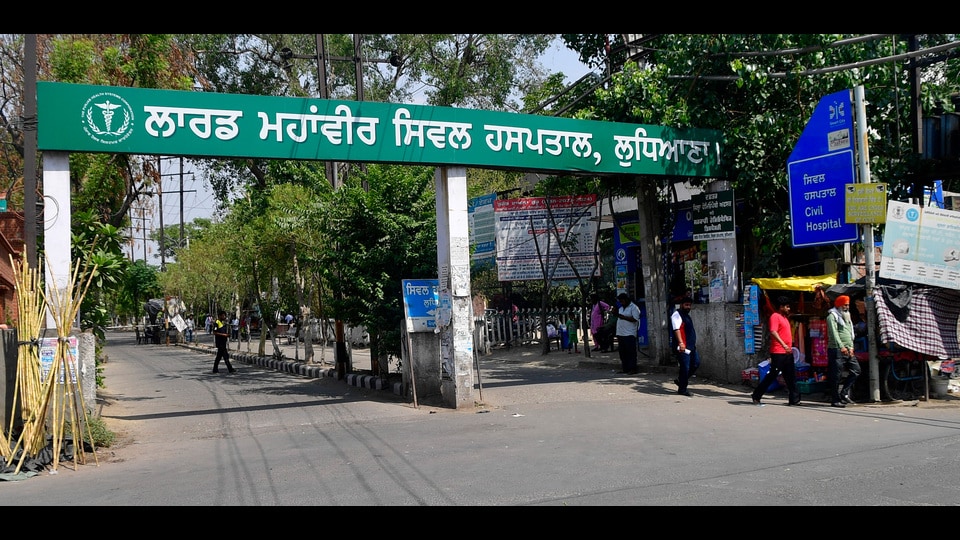
The Punjab government has instructed the Punjab Ex-Servicemen Corporation (PESCO) to arrange a total of 200 security guards for all district hospitals statewide, with 12 specifically allocated to Ludhiana.
Currently, the hospital is forced to fund its security using internal resources. Senior medical officer (SMO) Dr Akhil Sareen confirmed that the hospital currently employs around 10 guards, paid for from user charges—revenue collected through hospital services.
The shift to PESCO-provided security will result in a considerable saving for the hospital. “Now that the department is providing the hospital with guards, we will be able to save around ₹3 lakh every month, which can now be used for providing better services to the patients,” Dr Sareen stated.
The necessity for reinforced security is particularly acute in the emergency department, which handles a high volume of medico-legal cases. Dr Rohit Rampal highlighted the daily challenge, noting the emergency room receives, on average, 50-60 medico-legal cases. These cases frequently involve individuals who have sustained injuries in brawls.
“These parties, who have just had a brawl at times, resort to fighting at the hospital as well,” Dr Rampal explained. “When there is congestion and the two parties who’ve just had a violent spat come face to face, it is very natural for them to clash. This is why security is needed, especially in the emergency ward, to regulate the people allowed inside and also avoid fights,” he added, citing the danger faced by staff pressured by belligerent parties to examine them first.
The upcoming induction of the new guards is anticipated to address these critical security gaps.


