
 E-Paper



Showers end irrigation woes in Kashmir
Rains have averted the threat to the paddy cultivations in Kashmir. Showers have ended irrigation woes in Kashmir and recharged depleting groundwater table


After heavy rainfall across Kashmir and snowfall in the upper reaches, the water bodies, streams, rivers and lakes are brimming with water.
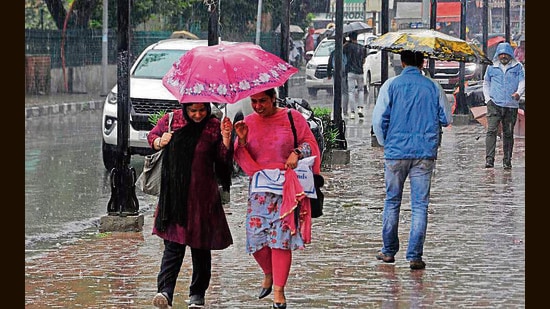
As the rains had eluded the spring months, March and April, and due to an increase in the day temperatures, the snow on the upper peaks melted earlier in the initial weeks of June, and with every passing day the water level in water bodies, rivers and streams had receded which had put farmers and growers in a panic mode. And many had switched over to pulses due to fewer water requirements.
Now, the rains have again filled water bodies across Kashmir and paddy fields are filled with abundant water.
“The water level at all the major recording stations had started to decrease. With improvement in weather conditions, the water level is expected to normalise in a few days,” said the irrigation and flood control department in a tweet. The department looks after all the streams, water bodies and rivers in the UT.
“A week ago, the Jhelum basin was facing a shortage of water for irrigation, the current rainfall has increased the water level in all the water bodies that were much needed to address the irrigation demands,” said the department in another tweet hinting towards how grave the situation was only a week before vis-à-vis water in Kashmir.
Bilal Ahmad, a senior agriculture officer, said that the rains were timely otherwise it would have badly affected the paddy cultivation. “Due to water shortage, the farmers had uprooted paddy from fields at many places. After the fresh rainfall, now farmers are again planting paddy saplings as the water has again come in the streams and there is a possibility that it will last till July when the paddy requires the water in good quantity,” he said.
Earlier, due to less snowfall in winters, the irrigation and flood control department had suggested farmers to go for the cultivation of pulses instead of paddy as the latter requires a lot of water. Now the rains have averted the threat to the paddy cultivations in Kashmir. Officials said that the rains have even helped Valley’s horticulture industry and recharged the depleting groundwater table. “For us, the rains were a gift from the god as it will help not only horticulture but also agriculture,” said Nissar Ahmad, a farmer from Wagoora in Baramulla. “This rain will help in apple harvest in coming months,” he said.
The UT produces 17,64,264 metric tonnes of fresh and 2,70,104 metric tonnes of dry fruit. Around 3.31 lakh hectare of land is under fruit cultivation in Jammu and Kashmir, of which around 1.67 lakh hectares is under apple cultivation. Around seven lakh farming families (approximately 35 lakh people) are directly or indirectly associated with the horticulture sector. Apples contribute to around 8% of Jammu and Kashmir’s gross domestic produce. Fruits identified for high-density plantation are apple, walnut, almond, cherry, litchi, and olive. Likewise, agriculture also sustains thousands of families across Kashmir and the majority of families are dependent on the earnings from agriculture.


