
 E-Paper



SKM opposes release of gene-edited rice varieties
Jagmohan Singh Uppal, general secretary of the Bharatiya Kisan Union (Dakaunda), a constituent of the SKM, said the Centre’s move to release and multiply two gene-edited rice varieties — DRR Dhan 100 (Kamala) and Pusa DST Rice 1 — was a matter of concern

 Prefer HTon Google


The Samyukt Kisan Morcha (SKM) on Thursday opposed the release and multiplication of patented seed technologies and gene-edited (GEd) rice varieties, saying they could threaten the country’s seed sovereignty, farmers’ rights and indigenous rice biodiversity.
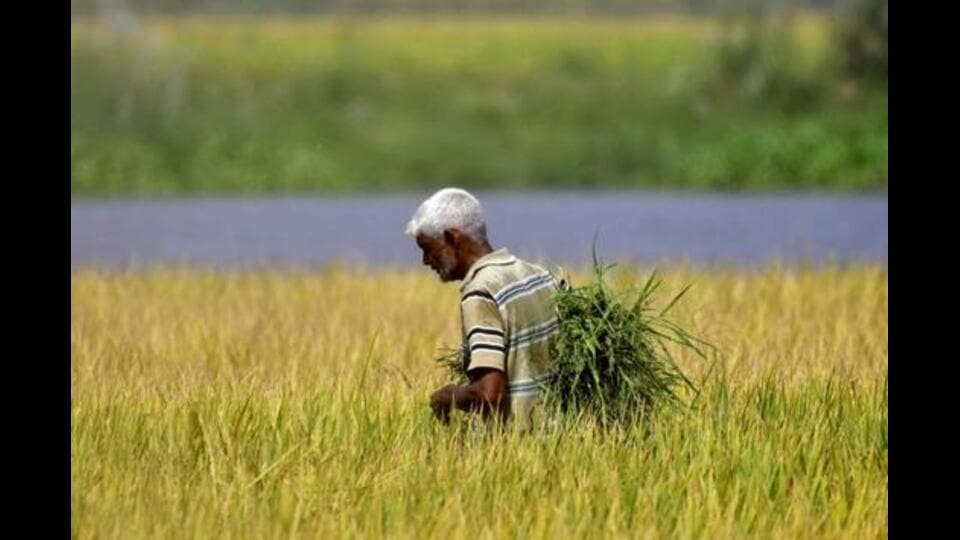
Jagmohan Singh Uppal, general secretary of the Bharatiya Kisan Union (Dakaunda), a constituent of the SKM, said the Centre’s move to release and multiply two gene-edited rice varieties — DRR Dhan 100 (Kamala) and Pusa DST Rice 1 — was a matter of concern.
He claimed that seed multiplication of Pusa DST Rice-1 had already begun ahead of the coming rabi sowing season and urged the Union government to stop the process before it became irreversible.
The SKM, an umbrella organisation representing more than 150 farm bodies, said the proposed gene-edited rice varieties were based on patented technologies. It alleged that the lack of clarity over farmers’ rights to save and reuse the seeds could undermine their traditional seed-saving practices.
“These varieties will endanger India’s centuries-old rice biodiversity heritage and the nation will no longer be the centre of origin and diversity for rice,” Uppal said.
He argued that farmer-bred rice varieties had demonstrated climate resilience over generations at virtually no cost to farmers. According to him, the introduction of gene-edited varieties could gradually displace indigenous varieties which have evolved over time through natural processes and ingenuity of farmers.
The SKM pointed out that China is already stalling rice imports from India, citing genetically modified organisms contamination.


