
 E-Paper



Staff awaits May salary as govt fails to reimburse PRTC for free travel of women
“The PRTC, which has the biggest fleet of over 1200 buses, is owed a huge sum of around ₹500 crore by the Punjab government under this scheme. It’s June 16 and the employees are still awaiting May month’s salary,” said PRTC workers’ union convener Nirmal Singh Dhaliwal.

 Prefer HTon Google


The free travel for women has left the state-run Pepsu Road Transport Corporation (PRTC) in a tight spot, financially.
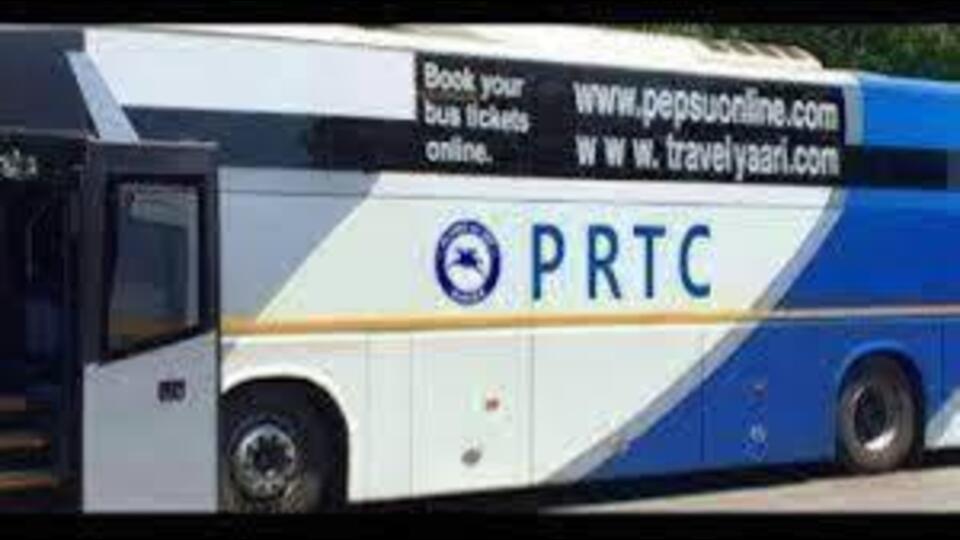
“The PRTC, which has the biggest fleet of over 1,200 buses, is owed a huge sum of around ₹500 crore by the Punjab government under this scheme. It’s June 16 and the employees are still awaiting May month’s salary,” PRTC workers’ union convener Nirmal Singh Dhaliwal said.
While no PRTC official was willing to come on record, a senior official confirmed that last time it received ₹44 crore as reimbursement from the government in April and “the total pendency was around ₹500 core.
“Generally, the scheme costs PRTC around ₹400 crore in a year with the government releasing money in instalments. The delay in the release of funds is affecting PRTC’s day-to-day functioning,” an official said, pleading anonymity.
The scheme was rolled out by the previous Congress Government in 2021 in a bid to enhance the social mobility of women in the state.
Miffed over the delay in salaries, PRTC Contractual Employees Union have announced a two-hour strike on Tuesday, and a complete shutdown from June 19 onwards.
“The employees would block the main gates of all the bus stands on Tuesday from 10 AM to 12 PM,” said Harkesh Kumar, state president of the PRTC Contractual Employees Union, said.
Officials privy to the situation, on the condition of anonymity, said that PRTC needs around ₹27 crore to pay the monthly salaries and pension benefits.


