
 E-Paper



Tewari raises concerns over healthcare infrastructure
The MP asked how many doctors are currently serving in Chandigarh on deputation and requested that the numbers be broken down according to the state and UT

 Prefer HTon Google


Chandigarh The member of parliament (MP) from Chandigarh Manish Tewari has raised serious concerns over the health care infrastructure in the union territory (UT), especially after evasive answers were given by the ministry of health and family welfare in the Lok Sabha on the availability of doctors.
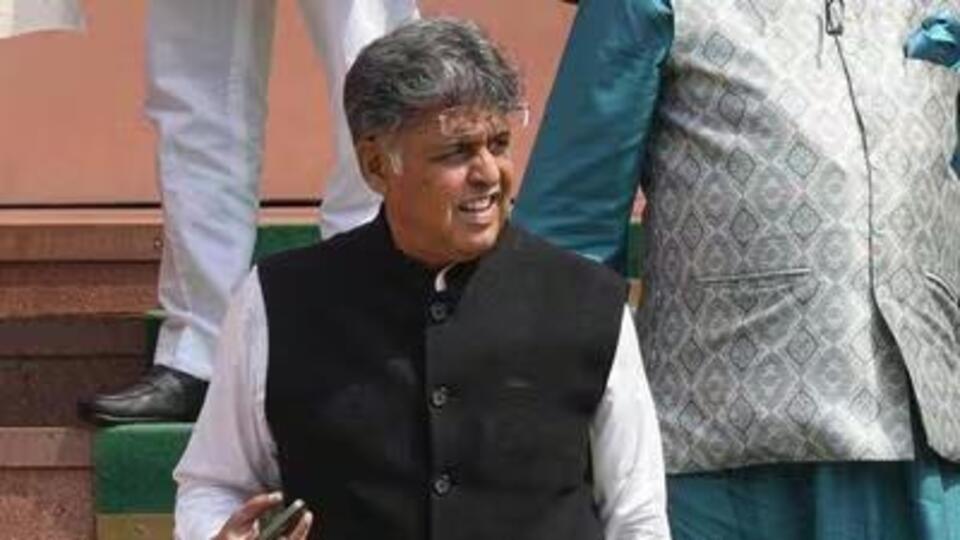
Focusing entirely on the staffing situation in UT’s health system, Tewari sought detailed information from the Union ministry asking the sanctioned strength of doctors in the city’s health department the last time new posts were created and recruitment was done. He further asked about speciality wise vacancies against regular posts and whether doctors from other states were being called on deputation based.
Seeking to understand the scale of shortages, the MP pressed for vacancy data across key specialties including medicine, surgery, anaesthesia, radiology and paediatrics. He also raised questions about the extent of reliance on deputation. He asked how many doctors are currently serving in Chandigarh on deputation and requested that the numbers be broken down according to the state and UT..
However, union state health and family welfare minister Prataprao Jadhav did not provide Chandigarh-specific figures. Instead, he stated that public health and hospitals fall under the jurisdiction of states and union territories, adding that the responsibility for creating posts and filling vacancies rests primarily with the respective state or UT administration.
Tewari expressed dissatisfaction with the reply, saying that none of the specific data sought in the question had been provided. ‘The minister did not answer the specific questions raised—no numbers, no dates, no specialty-wise breakdown, no recruitment details and no deputation figures. This is a classic case of diplomatic ducking,’ said Tewari.
‘In parliamentary practice, this is often seen as a way to avoid admitting gaps or shortages publicly. While the reply may be formally valid, it does not satisfy the intent of the question. It’s more of a diplomatic evasion than a substantive answer,’ he added.
Tewari also shared figures he said were provided to him through other informed sources, which painted a troubling picture of the city’s healthcare manpower. ‘I am given to understand by informed people that the break-up of the total number of doctors in Chandigarh stands at 164 medical officers, 28 senior medical officers and approximately 29 dental SMOs—totalling around 221 doctors. Out of these, about 180 are serving on deputation. If those deputationists are excluded, the city is left with barely 41 doctors locally or otherwise deployed,’ Tewari added.
The Chandigarh MP suggested that this stark imbalance might explain why the administration and the union ministry were reluctant to disclose detailed staffing data. ‘Perhaps that is the reason why the Chandigarh administration and the health ministry did not want to disclose the health infrastructure personnel profile of Chandigarh,’ he said, warning that the situation raises serious concerns about the sustainability and transparency of the city’s healthcare system.


