
 E-Paper



Wildbuzz: Love in the Shikra skies
A quiet bird otherwise, the breeding season awakens the vocal chords of the Shikras like never before. Emitting the ‘advertisement’ calls, the mates chase each other at high speed in undulating flights in the jungle canopy and around trees.


*Ask the birds and garden lizards and they will liken the Shikra to a dreaded spirit that inhabits the dark, leafy caverns among the garden boughs. From those ambush spots, the dreaded hawk pounces upon and tears apart the prey, which may be still alive. The quarry may well be a little bird taking its first flight. The eyes of the hunter ripping chest feathers and those of the hunted locked in a contrast of emotions. The restless spirit of Shiv Kumar Batalvi finds expression in the poetic analogy of a Shikra as a wayward, ruthless lover who raises a blood-stained beak from the plunder of a tender heart offered guilelessly. But Shikras are not just about nature being ‘red in tooth and claw’ --- these fierce hawks have a gentler side which is on display in the current courtship and mating season.

A quiet bird otherwise, the breeding season awakens the vocal chords of the Shikras like never before. Emitting the ‘advertisement’ calls, the mates chase each other at high speed in undulating flights in the jungle canopy and around trees. The Shikra courtship evokes Bollywood scenes of lovers singing, dancing and chasing each other around the same silent, green witnesses. The Shikra pair takes to the blue skies, soaring to the heavens and beyond and circling each other. When love is in the air, the pair indulges in spirals, tumbles and stooping upon each other.
Another aerial courtship ritual sometimes observed, and as Salim Ali described it: “A peculiar hovering flight; wings slightly bent and held above level of back, and flapped very slowly and deliberately.”
Following courtship and stabilisation of pair bonds, the scene shifts to a tree branch. Here, the male will sometimes bring a prey for the female to woo her. The act of mating presents a vivid exhibition of sexual dimorphism in Shikras --- the female is larger than the male, and in older birds whose iris colour has stabilised, her eyes are a vivid yellow in contrast to the male’s orange-red.
Appearances are very deceptive
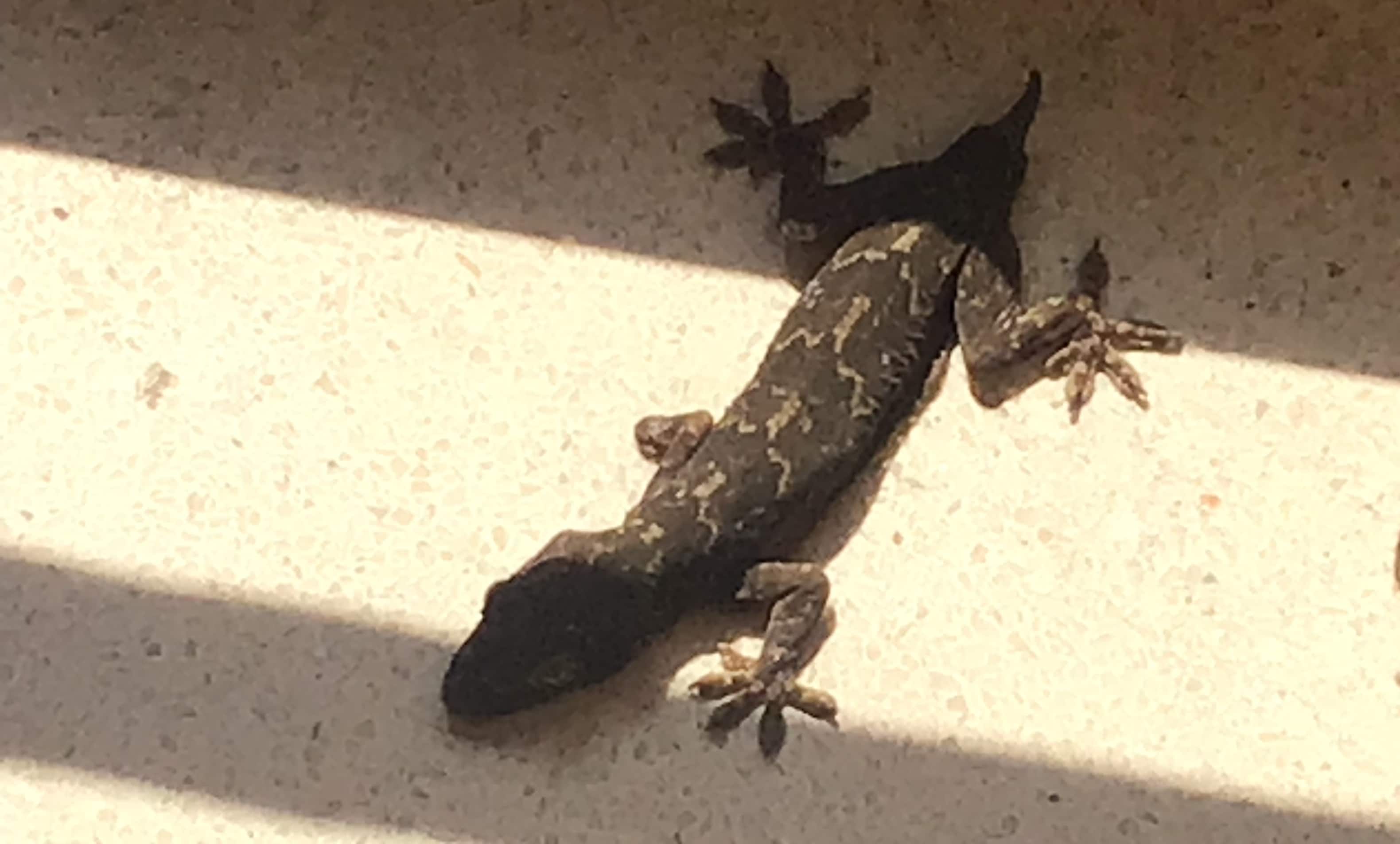
*God save the souls of those whose appearance by birth’s determinism is ‘blackish and evil-looking’ and out of sync with our culture’s sneering preference for the ‘fair and lovely’. If a house lizard has an appearance that departs from the yellowish tinge and takes on a dark, patterned morph, the poor thing faces double the opprobrium. The maids shiver at her sight, venting all manner of rural lore of its inherent evils while the educated lady of the house nods her approval of such rant.
Fact is lizards are neither venomous nor unhelpful. They swat mosquitoes / cockroaches better than sprays. Yes, their droppings need to be swept and if they happen to fall into a pan of boiling milk, consumption is perilous.
A very drain-black lizard has appeared in our house. It is a wounded one, the right forelimb chewed off by a dominant male or female. Dominant lizards gobble their own progeny when hungry. Our blackie had to shed her squirming tail to distract her tormentor. She confines herself to the floors as she cannot climb walls with her impaired limb / tail. She changes rooms to evade dominant lizards. Her sudden, skulking appearance triggers shrieks and curses from indignant ladyfolk. Quite a power does this impotent creature enjoy!
It is a tall task to convince them to spare lizzie’s life. Let her be with the task of insect housekeeping, which she performs in her own inimitable way. Bonus: she is free of frustrations that go with keeping contemporary maids!


