
 E-Paper



Will CJP protests have bearing on PU student elections? Perhaps no
With Punjab’s next assembly election looming, the PU campus may therefore offer more than just a student election result. The larger question is whether this year’s poll will produce a political statement or another mandate for better hostels, cleaner campuses and a university that works a little better for those who live in it.

 Prefer HTon Google


The cockroach may have become the unlikely mascot of student anger at Panjab University this election season, but for many students, the ballot box is still about something far more mundane, a room in a hostel, decent food, functioning gym equipment and whether the campus feels safe and cared for.
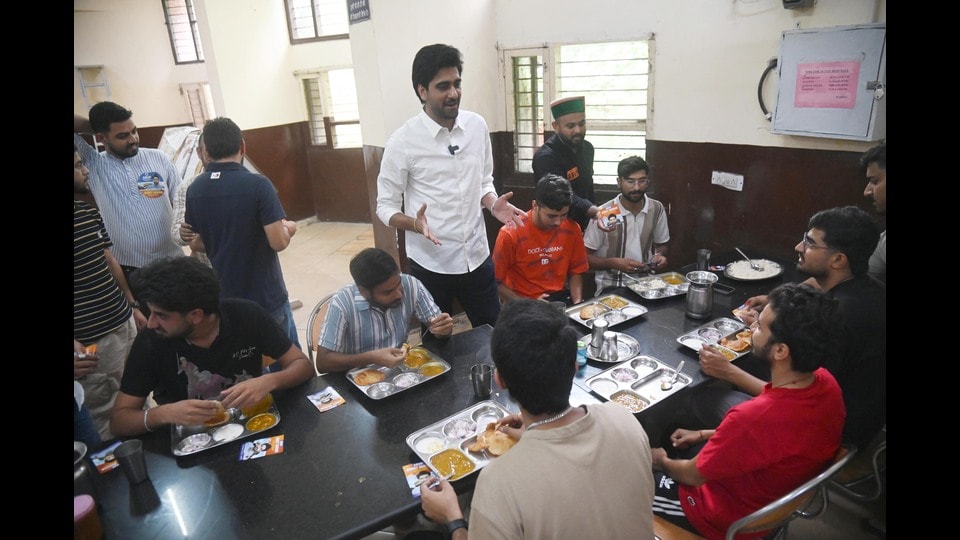
The emergence of the Cockroach Janta Party and the uproar around issues raised by student groups, has brought a large sense of frustration with the university system into the spotlight. Social media has become an outlet for students to voice their discontent, turning what might once have remained corridor conversations into campus-wide debates. While it has given voice to a wider sense of frustration, students say the real election battle is still being fought over hostels, clean washrooms, sanitation and everyday campus life.
Conversations with students suggest that the election itself remains intensely hyperlocal.
“Last year there was so much hype around the elections, but the issues are still the same,” said Mehak, a second-year University Institute of Engineering and Technology (UIET) student. For her and many others, election promises matter only when they translate into real changes which the students can see in their daily lives.
The concerns are particularly pronounced in the South Campus. Shruti, a BDS student, said students there often feel neglected. She pointed to outdated infrastructure in the dental department and a shortage of hostel accommodation, which forces students to spend more on guest accommodation.
“It is difficult to focus on the bigger picture when the problems at the ground level have not been fixed,” she said.
Students also flagged poor upkeep of hostel gyms despite equipment being available, along with concerns over cleanliness, food quality, safety and the grants available to research scholars.
The contrast captures the character of university politics: while the Cockroach Janta Party has tapped into a broader anti-system sentiment, campus elections are ultimately fought over a microcosm of everyday governance.
Political science professor Emmanual Nahar said Gen Z brings “its own pace, habits, thinking and ideology” to politics. Their approach, he said, tends to be straightforward and reactive, making them more likely to respond to issues that immediately resonate with them.
But the influence of mainstream political parties cannot be discounted. The student wing of the Congress, BJP and AAP remains significant on campus, as student politics can serve as an early indicator of wider political currents.
With Punjab’s next assembly election looming, the PU campus may therefore offer more than just a student election result. The larger question is whether this year’s poll will produce a political statement or another mandate for better hostels, cleaner campuses and a university that works a little better for those who live in it.


