
 E-Paper



AIIMS begins process for passive euthanasia for 32-yr-old
AIIMS has started passive euthanasia for Harish Rana, in a vegetative state for over a decade, following Supreme Court approval.

 Prefer HTon Google


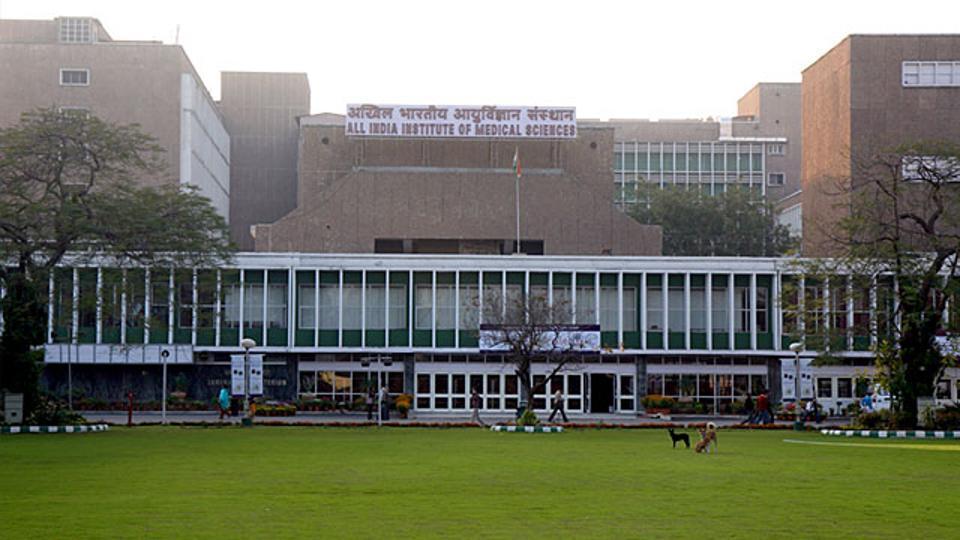
The All India Institute of Medical Sciences (AIIMS) has initiated the process of passive euthanasia for 32-year-old Harish Rana, who has remained in a permanent vegetative state for more than a decade, following the Supreme Court’s permission in the case on Wednesday, the hospital announced on Monday.
Rana, a former engineering student in Chandigarh, suffered catastrophic head injuries in 2013 after falling from the fourth floor. Since then, he has remained completely unresponsive and bedridden, dependent on feeding tubes for nutrition and hydration. Although not on mechanical ventilation, he requires round-the-clock care and has shown no neurological improvement for over 10 years. He is currently sustained by a percutaneous endoscopic gastrostomy (PEG) tube inserted through the abdominal wall into the stomach for long-term nutritional support.
At AIIMS, the process of obtaining approval from two medical boards has been initiated in accordance with Indian laws governing living wills and passive euthanasia. These boards must certify that the patient meets necessary criteria before life support can be withdrawn.
All medical assessments will be carried out by the hospital’s medical board constituted for the case, the hospital said. “AIIMS is following the orders of the Supreme Court in Harish Rana’s case,” the hospital said in an official statement Sunday.
On March 15, Rana was moved to AIIMS and admitted to its palliative care centre as per the court’’s order.
Dr Sandeep Dewan, senior director of Critical Care at Fortis, explained that a primary medical board at the admitting hospital must first certify that the patient suffers from an irreversible medical condition. Within 48 hours, the district chief medical officer constitutes a secondary board to verify the same. Only after confirmation from both boards can life support be withdrawn – including Ryles tube (or nasogastric tube) feeding, which constitutes passive euthanasia. “If the patient is not on a ventilator but is receiving life sustaining treatment through Ryles tube feeding, that too can be withdrawn after certification by both medical boards, which forms part of passive euthanasia treatment,” he said.
Dr Sushma Bhatnagar, former AIIMS chief and professor of onco anaesthesia and palliative medicine, said the case exemplifies palliative care focused on reducing prolonged suffering when recovery is no longer possible. “As a principle of palliative care, external support that prolongs suffering in irreversible medical conditions may be withheld or withdrawn after all medical approvals, thereby allowing nature to take its course,” she said.


Stay updated with all top Cities including, Bengaluru, Delhi, Mumbai and more across India. Stay informed on the latest happenings in World News along with Delhi Election 2025 and Delhi Election Result 2025 Live, New Delhi Election Result Live, Kalkaji Election Result Live at Hindustan Times.


