
 E-Paper



All DIAL vehicles to get IoT devices by Aug-end, reduce fuel consumption at IGI
DIAL said IoT devices helped save 23% fuel in utility vehicles used for Airport Rescue and Fire Fighting (ARFF) team, airside operations, security, and project works and vehicles used by the engineering teams

 Prefer HTon Google


NEW DELHI: Delhi International Airport Limited (DIAL), the airport operator at the Indira Gandhi International (IGI) airport on Wednesday said it has been able to reduce fuel consumption by use of Internet of Things (IoT) devices across its diesel and petrol vehicle fleet.
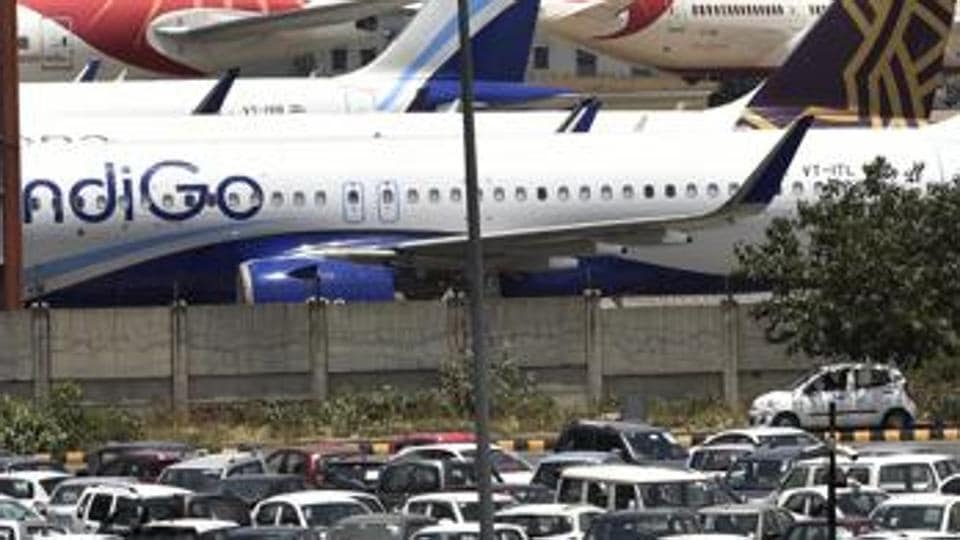
DIAL said there has been a reduction in fuel consumption up to 23% in its vehicles, with the entire fleet of around 1,000 vehicles to be covered by the end of August, officials said.
In addition to saving fuel, DIAL said IoT devices were used to track locations for vehicles and schedule periodic maintenance of each vehicle.
“There are around 1,000 diesel and petrol-operated vehicles that are being used in the vicinity of the Delhi Airport. These vehicles include two-wheelers (motorcycles), light motor vehicles (LMVs), heavy motor vehicles (HMVs), and tractors. DIAL is installing IoT devices in a phased manner in all its vehicles. By the end of August, all the vehicles of DIAL would be fitted with IoT devices,” said a DIAL spokesperson. The process to install these devices began in April.
IoT devices send alerts to the authorities whenever there is a violation of safety rules, for instance a vehicle driving out of the designated areas airside or going over the speed limit. DIAL said these devices helped them save 23% fuel in utility vehicles used by Airport Rescue and Fire Fighting (ARFF) team and in vehicles involved in airside operations, for security & project works and vehicles used by the engineering teams.
“Similarly, around 9% of fuel was saved after IoT devices were installed in tractors,” the spokesperson said, stating the device saves information on the movement of a vehicle, the distance travelled, the fuel usage and whether the vehicle was idling or not.
“Any unauthorized use of vehicles like running the air conditioning while the vehicle is standing or taking a vehicle out of the permitted path can all be monitored,” the spokesperson added.
According to DIAL, this move will help in cutting down 8,82,200kg of carbon emissions per year. In five years, these IoT device-fitted vehicles can help DIAL reduce approximately 44,10,922kg of carbon emissions.



