
 E-Paper



Capsicum, TV remote, ice cream: Nearly 200 symbols on offer ahead of civic polls
In a separate order on Friday, the Delhi election commission increased the limit of poll expenditure for candidates to ₹8 lakh from the ₹7 lakh cap set during 2021 MCD by polls


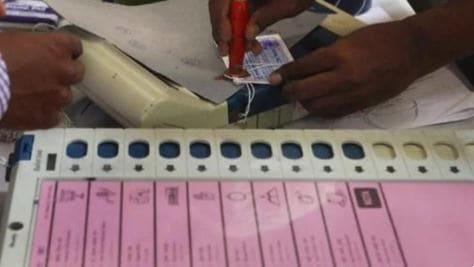
From ice cream and noodle bowl to CCTV camera and pressure cooker, the state election commission (EC) has released a list of nearly 200 election symbols for independent candidates to choose from as they prepare for the upcoming municipal elections.
The poll body also increased the expenditure limit for candidates to ₹8 lakh, up from the earlier ₹7 lakh cap set during 2021 MCD by polls.
Among the 197 poll symbols released by the Delhi EC on Friday -- under ‘Municipal Corporation of Delhi Election Symbols (Reservation and Allotment) Order, 2022 -- are other symbols like ‘Ganna Kisan’, baby walker, TV remote, refrigerator, apple, pineapple, a range of other fruits, vegetables like capsicum and cauliflower, kitchen and household appliances, like air conditioner.
This is in addition to the reserved symbols of established parties -- the Aam Aadmi Party (AAP) will keep the ‘broom’; Bharatiya Janata Party (BJP) will retain the ‘lotus’; and Congress party will have the ‘hand’ symbols.
Independent candidates and candidates belonging to unrecognised parties can choose from the list of ‘free symbols’.
A poll panel officer, who did not want to be identified, said each independent candidate will have to mention three preferences of chosen symbols from the list in their nomination paper. “The allocation of symbols is a transparent process and there is no system of preference. Candidates from unrecognised parties will also be treated as independent candiates,” the official said.
The official added that if more than one candidate selects the same symbol, the returning officer will decide the allocation by a draw of lots.
In a separate order on Friday, the Delhi election commission increased the limit of poll expenditure for candidates to ₹8 lakh from the ₹7 lakh cap set during 2021 MCD by polls. The maximum expenditure was ₹5.75 lakh in 2017 MCD polls, ₹5 lakh in 2012 and ₹4 lakh in 2004.
The election to the three municipal corporations of Delhi are likely to be held in April this year. There are a total of 272 wards in the three MCDs -- 104 wards each in North and South Delhi municipal corporations while East Delhi Municipal Corporation has 64 wards. Half of the 272 wards are reserved for women candidates.
Meanwhile, the political parties – especially BJP, AAP and Congress – are preparing the pitch for the municipal elections in the Capital.
The BJP is ruling the MCD for the past 15 years and AAP, which formed a government in Delhi for the second consecutive term in 2020, wants to dislodge the saffron party from the municipal governance.
In the 2017 municipal polls, the BJP registered a victory by winning 181 of 272 wards and returned to power in the three corporations of the Capital. AAP came second and Congress third.
The results of the assembly elections in Uttar Pradesh, Punjab and other states, which will be declared on March 10, are likely to influence the confidence of the political parties contesting the MCD polls. AAP, which has 62 out of 70 members in Delhi assembly, has contested elections in Punjab, Goa, Uttarakhand and Uttar Pradesh.


