
 E-Paper



Courts shouldn’t reject police requests for DNA tests of rape accused: Delhi HC
The verdict was delivered in an appeal filed by a rape victim against a trial court’s order rejecting police’s application for taking a man’s blood sample

 Prefer HTon Google


The Delhi high court has ruled that trial courts should not reject police requests for DNA testing of rape accused as such analysis is not only crucial in establishing paternity of children conceived through rape but also in scientifically ascertaining the accused’s innocence or guilt.
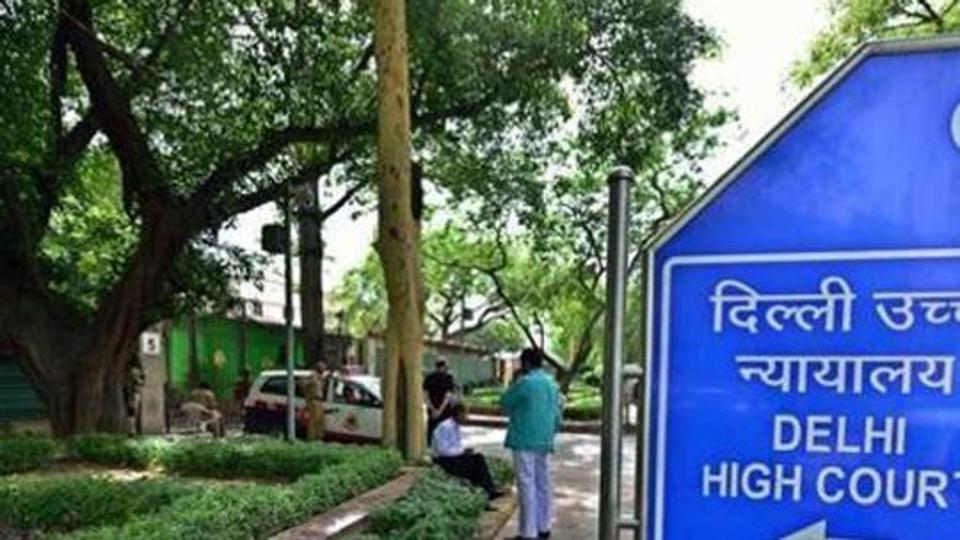
A bench of justice Neena Bansal Krishna in her ruling delivered on Thursday, released later, said that DNA testing is an “almost perfect science” to determine the commission of an offence of rape.
The verdict was delivered in an appeal filed by a rape victim against a trial court’s order rejecting the Delhi Police’s application for taking a man’s blood sample for DNA testing. The victim had accused the man of raping her, and she had later given birth to a baby she alleged was conceived of the rape. The Delhi Police took the accused to AIIMS for a medical examination but he refused to give his blood sample.
The Delhi Police initially registered the FIR under sections 354,506, 509 of the Indian Penal Code in 2021 but also added Section 376 after recording the victim’s statement before the magistrate. The police moved an application seeking the court’s permission for blood samples, but the plea was rejected in April 2023, noting that the victim was married at the time of the incident. The victim approached the high court against this order. To be sure, Section 112 of the Evidence Act says that if a child is born during a valid legal marriage or within nine months after the marriage ends, it would be presumed that the child is the husband’s legitimate child.
In her petition, the victim said that DNA analysis was imperative to prove the offence and ascertaining the paternity would not result in harming the child’s interest.
Considering the contentions, justice Krishna said, “DNA testing, which is an almost perfect science to determine the commission of an offence of rape, must not be declined especially when after 2006, Section 53A of the Cod eof Criminal Procedure has been introduced making it almost compulsory in rape cases to conduct the blood test including the DNA analysis.”
She added, “It is one surest way of ascertaining the truth of the matter, which may result in exoneration of an accused from false implication as much as may work in favour of the victim to bring the guilty to the books. It is not as a DNA test works only in favour of the victim but in many cases, may lead to honourable acquittal of the accused.”
The court set aside the trial court’s order and directed the accused to present himself for taking blood samples within 15 days of the verdict. The court permitted the police to use reasonable force in case of resistance.
In her ruling, the judge also shot down the accused’s contention that the victim was married at the time of the offence and so there was a presumption that the child was born out of wedlock. She said, “Prosecution that the prosecutrix was separated from her husband since 2018 as is also evident from the averments made in the affidavit filed by both the parties in the family court along with the petition under Section 13B(2)(1) of the Hindu Marriage Act, 1955. Prosecutrix as well as her ex-husband, both had said on divorce that they did not have access to each other.”
Stay updated with all top Cities including, Bengaluru, Delhi, Mumbai and more across India. Stay informed on the latest happenings in World News along with Delhi Election 2025 and Delhi Election Result 2025 Live, New Delhi Election Result Live, Kalkaji Election Result Live at Hindustan Times.


