
 E-Paper



Delhi has 620 cases of ‘black fungus’, facing shortage of drugs, says Kejriwal
Black fungus has emerged as a potentially life-threatening Covid-19 complication that prompted the Centre last week to ask states to declare the disease notifiable under the Epidemic Diseases Act

 Prefer HTon Google


Chief minister Arvind Kejriwal on Wednesday said there is a severe shortage of the medicine needed to treat at least 620 people undergoing treatment for mucormycosis, or black fungus, in Delhi’s hospitals.
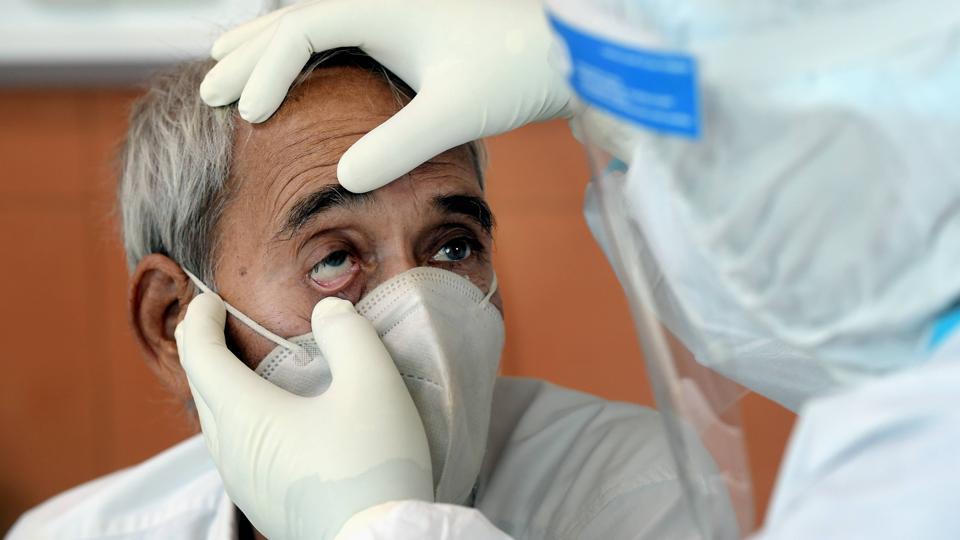
He added Delhi is receiving about 400 vials of anti-fungal amphotericin B needed to treat the fungal infection from the central quota even as it needs nearly 4,000 vials daily. “This is delaying the treatment in patients,” he said.
Black fungus has emerged as a potentially life-threatening Covid-19 complication that prompted the Centre last week to ask states to declare the disease notifiable under the Epidemic Diseases Act. A rare disease, experts and doctors say thousands have now contracted it because of an overuse of steroids or due to suppression of their immune system, which is often a fallout of attempts to stop the life-threatening immune overreaction due to Covid-19.
Also Read: Scientifically Speaking | Decoding the evolution of coronaviruses
The actual spread of the disease is likely wider, and authorities in several states have sounded the alarm on the disease. It mainly impacts the mouth, nose, eye and then spreads to the brain. There have been cases of infection in the lungs as well as the gastrointestinal tract. The treatment involves surgically removing the dead tissues caused by the fungus, which results in loss of the eyes and facial disfigurement in some.
Black fungus cases went up 2.5 times last year between September and December across 16 centres in the country, according to Dr Arunaloke Chakrabarti, head of the department of microbiology at Post Graduate Institute of Medical Education & Research, Chandigarh. He is part of the Fungal Infection Study Forum and is one of the members, who drafted the government advisory on mucormycosis.


