
 E-Paper



Delhi likely to finish collecting samples for its fifth sero survey round today
The city had seen its third and worst surge in Covid-19 cases in November. At its peak, 8,593 cases were recorded in a single day on November 11

 Prefer HTon Google


Delhi is likely to finish collecting the 28,000 samples needed for its fifth round of serological surveillance on Thursday, according to officials. The collection of nearly 100 samples from each ward began on January 11.
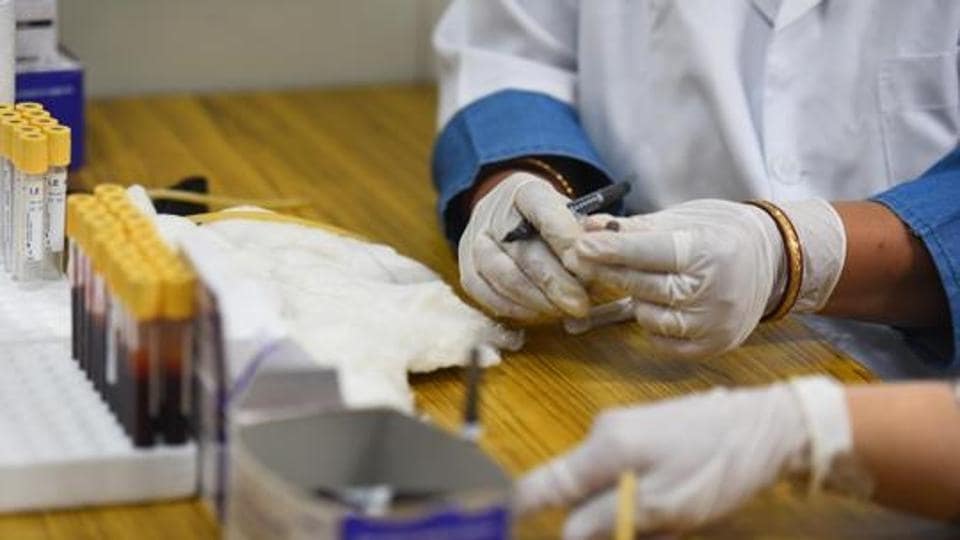
This is the fifth round of survey being conducted in the city and the first one since October. Researchers hope to review the exposure to coronaviris disease (Covid-19) that happened during the November surge in cases.
The city had seen its third and worst surge in Covid-19 cases in November. At its peak, 8,593 cases were recorded in a single day on November 11.
Also Watch: ‘Unrelated’: Centre clarifies on 3 out of 4 deaths post Covid-19 vaccination
In the October round of the sero survey, the population level prevalence of antibodies against the Sars-Cov-2 virus increased only marginally from the previous round by 0.4%. This meant that there were only 4,000 infections per million population between early-September and mid-October.
In the round before that, the recorded seroprevalence actually dropped four percentage points from 29.1% in August. This fall was likely due to a change in the technique of sample collection.
However, the authors of the sero survey also warned of diminishing antibodies in those who had the infection months ago.
“During the previous round of the survey, we realised that antibody levels were becoming undetectable in people who had the infection months ago. Some studies show that antibodies can last up to 90 days. So, this time around, we will be able to judge the exposure during the November surge,” said one of the researchers involved in the project, who asked not to be named.
The June-July survey had found 22.6% of the 21,000 people sampled had antibodies. This shot to 29.1% among the 15,000 people sampled in August, and then dropped to 25.1% among the 17,000 people sampled in September. In October, it had gone up to 25.5% with a sample size of 15,000.


