
 E-Paper



Delhiwale: This way to Anjuman Chowk
The Walled City dictionary.

 Prefer HTon Google


Anjuman Chowk is the centre of the world. This belief is firmly instilled into the sensibilities of the Anjuman Chowk gentry. After all, almost all the lanes that matter to them drain into this square. One lane flows in from Chitli Qabar Bazar, which has Delhi’s best bakery for breakfast rusk, and which also has Delhi’s best shop for dress buttons of all kinds. One gali emanates from Bulbuli Khana where lies Empress Razia Sultan’s grave. One lane comes from Gali Ghantewali that had a clock tower to which dwellers from other lanes would walk over to check the hour of the day. (Gali Salim Wali, which too runs into the Chowk, is more discreet, being exclusively residential.)
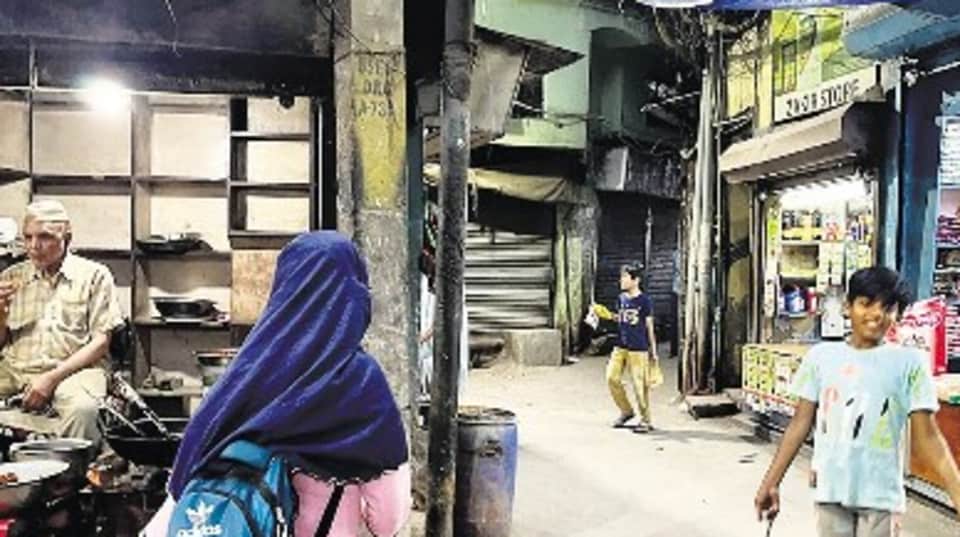
The square is like a pickle in a jar, marinating in its own oil and spices. This afternoon, a cat is perched atop a scooter, a dog is curled up under another scooter. And friendly Prabhu, the cotton candy man, is squatting with his candy-making machine, smiling at no one in particular. Across the lane, the genteel Omair is manning the paan kiosk founded 35 years ago by his father, the late Rafiq, while the neighbourhood’s little citizens are scampering about uninhibitedly, turning the grown-up’s chowk into a children’s playground.
Then there is pakori maker Mehtab—his gigantic platter will soon be filled with hari mirch pakori, palak pakori, aloo pakori, aloo French fries, keema goli, and lachha pyaz pakori.
The pakori shop sits beside Ashiqueen bawarchi khana, the 50-year-old kitchen that rustles out koftas and curries, plus rotis of many kinds. (A young man arrives from Gali Ghantewali to pick up five khameeri rotis, boasting to kofta cook Bhola about his forthcoming Bangkok holiday).
Chai stall man Arif too is a part of this hyperlocal republic, though his scenic establishment is tucked seven steps away from the Chowk, towards Gali Ghantewali. His stall has an old wall clock. A metal bench outside hosts the customers.
The area’s unique aspect is its string of paanch bhai, the five brothers. The aforementioned pakori cook Mehtab is brother to the aforementioned chai man Arif; their other three brothers Ashraf, Asif and Aftab run a grocery, “general store” and a handicraft shop respectively in the chowk.
The place takes its name, meaning “gathering,” from the centuries-old Anjuman Masjid. The mosque was flanked by a public library, which now is a wedding banquet hall.


