
 E-Paper



DJB seeks NGT permission to use borewells on Yamuna floodplains
The Delhi Jal Board seeks NGT's approval to use 100 borewells to boost water supply, amid concerns over overexploited groundwater in the eco-sensitive O-zone.

 Prefer HTon Google


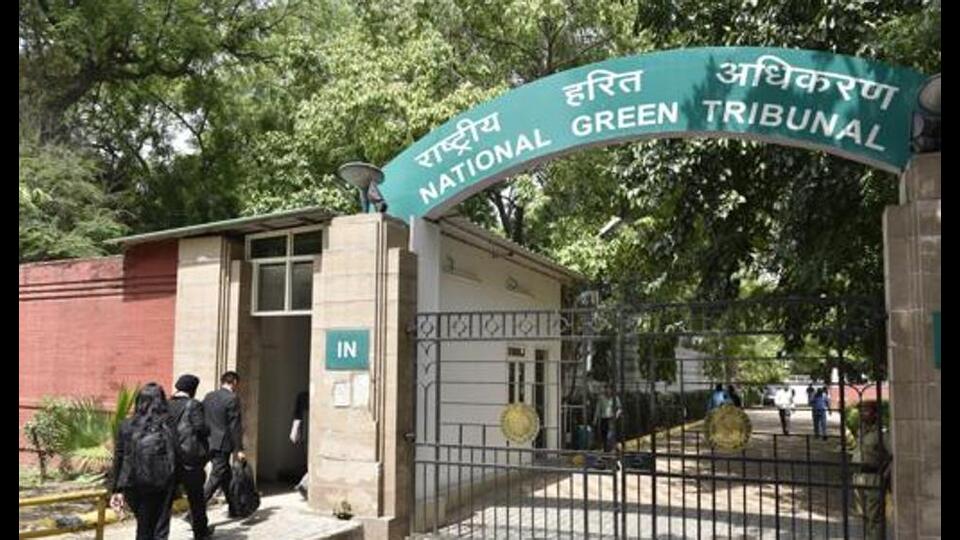
The Delhi Jal Board (DJB) has approached the National Green Tribunal (NGT) seeking permission to operationalise over 100 borewells installed along the Yamuna floodplains, in the Capital’s O-zone, an eco-sensitive area where construction is largely prohibited, aiming to augment water supply ahead of the peak summer months. However, with over 40% of Delhi’s groundwater already “overexploited”, experts warned against excessive reliance the process.
“The proposal has been submitted to the NGT in compliance with environmental regulations governing groundwater extraction in the ecologically sensitive floodplain zone. We have installed more than 100 borewells in the O-zone and have sought permission from the NGT to start using them,” said water minister Parvesh Verma told HT.
According to DJB officials, the borewells, once approved and made functional, are expected to add an estimated 30-40 million gallons per day (MGD) to Delhi’s daily water supply.The move comes as the city prepares for a seasonal surge in demand, which significantly outstrips its current supply capacity.
Verma said this is in addition to the various other steps that the department is taking to improve water supply, including plugging leakages, replacing old and damaged pipelines, installing GPS on water tankers and initiating talks with neighbouring states to increase water supply.
Delhi currently has an installed water supply capacity of around 1,000 MGD, while the peak demand is estimated at approximately 1,260 MGD. The DJB operates nine water treatment plants (WTPs) that collectively supply about 864 MGD. The remaining demand is met through a combination of Ranney wells and tubewells, along with supplementary sources such as tanker supply.
Officials said that, despite these measures, a significant gap persists between demand and supply, particularly during summer. High distribution losses, estimated at nearly 40% due to leakages and ageing infrastructure, further strain the system. Additionally, the Capital remains dependent on neighbouring states for raw water, making supply vulnerable to external factors.
The O-zone, as defined under the Master Plan for Delhi 2021, comprises the Yamuna floodplains stretching across a 22-km river corridor in the city. The zone is designated as an eco-sensitive area where construction is largely prohibited. While the draft Master Plan Delhi 2041 proposes dividing the zone into O-I (river zone) and O-II (areas with regulated development), it is yet to be formally notified. DJB has existing borewells in the O-zone area that are operational as groundwater recharge in the floodplains is faster.
Groundwater extraction in Delhi is regulated by the Delhi Pollution Control Committee (DPCC), which mandates prior permission for borewells and tubewells across domestic, commercial, agricultural, and industrial uses. Officials said that unauthorised extraction attracts penalties, including environmental compensation based on factors such as pump capacity, duration of operation, and the groundwater status of the area.
Data from the Central Groundwater Board (CGWB) highlights the stress on Delhi’s aquifers. In its 2023 report, the CGWB noted that around 41.49% of the city’s geographical area is categorised as “overexploited” due to excessive groundwater withdrawal. Only northwest Delhi falls under the “safe” category, while districts such as north, northeast, Shahdara, and south Delhi are classified as “overexploited”.
Environmentalist Diwan Singh, who has been associated with efforts to rejuvenate the Yamuna, cautioned against excessive reliance on groundwater extraction. “It is not sustainable to keep extracting ground water as deeper you go the probability of contamination of aquifers keeps rising. Other ways of increasing supply and recharging groundwater should be discussed,” Singh said.
Officials said the proposal is currently under consideration and further action will depend on the NGT’s directions.


Stay updated with all top Cities including, Bengaluru, Delhi, Mumbai and more across India. Stay informed on the latest happenings in World News along with Delhi Election 2025 and Delhi Election Result 2025 Live, New Delhi Election Result Live, Kalkaji Election Result Live at Hindustan Times.


