E-Paper



Malaria cases in Delhi touch 10-year high: MCD data
Delhi has seen 124 malaria cases this year so far. Weekly cases remain low, but MCD reports a rise in mosquito breeding sites with larvae in the past week.

 Prefer HTon Google


Reported cases of vector-borne diseases have seen a jump this year according to early trends, as Delhi has so far recorded 124 malaria cases, the highest in the last decade. The number of dengue cases till July 28 too stood at 277, which is the second highest in the last five years in the corresponding period, according to Municipal Corporation of Delhi data.
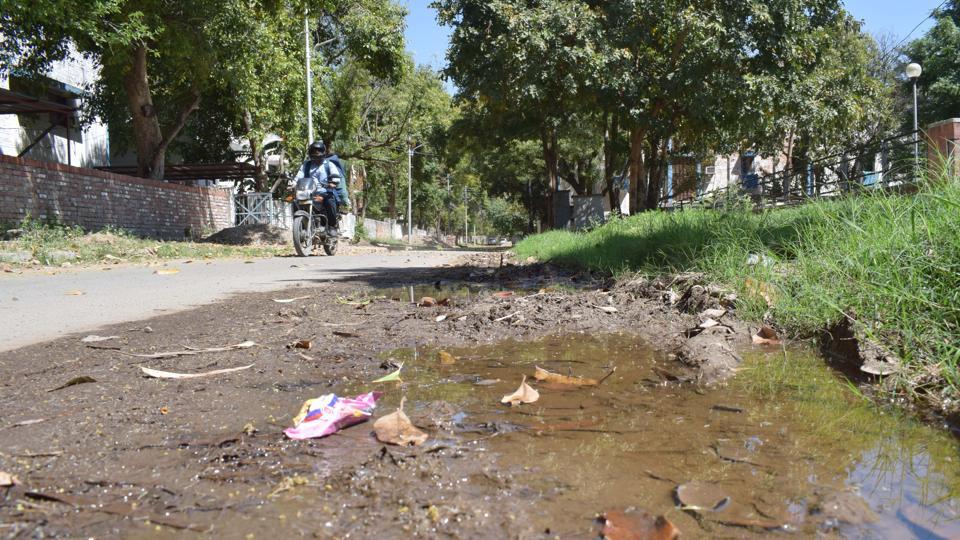
This comes amid a surge in the number of identified mosquito breeding sites having larvae — 9,117 more such sites were detected in the last seven days alone, which is more than a tenth of the overall number of sites (89,030) detected between January and July, MCD said in its report.
To be sure, the weekly case count on dengue and malaria cases is still low.
According to experts, while mosquito breeding is common in monsoon months, an above-average rainfall this July with multiple moderate to heavy spells and subsequent, lasting waterlogging across the city have likely contributed to the increase in this phenomenon. MCD has directed hospitals to reserve beds for patients to tackle the rise in cases of the two diseases.
Delhi added 16 new dengue cases in the past week, while 12 malaria cases were reported in the period.
The number of dengue cases till July 28 in 2024 was 284, 116 cases in 2023, 57 cases in 2022 and 29 cases in 2021. The number of malaria cases for the same period in 2024 was 106, 40 cases in 2023, 25 in 2022 and 15 cases in 2021.
The geographical distribution of dengue cases this year shows that the maximum number of cases have been reported from Central zone (38), followed by West zone (30), Civil Lines (29 cases) and Rohini, Shahdara, and South with 26 cases each.
Dengue is a viral infection transmitted to humans by the Aedes aegypti mosquito. While most infected people do not develop symptoms, those who do typically experience high fever, headache, body aches, nausea, and rash. Most recover within 1-2 weeks, but severe cases can be fatal due to haemorrhagic fever, which causes internal bleeding. The mosquito causing dengue breeds in clear water and waterlogged areas and the primary method of preventing the dengue is through breeding site reduction.
Delhi in July has received 259.3mm rainfall against the normal monthly average 209.7mm.
Meanwhile, civic officials said that the increased dengue cases count can be attributed to improved data collection from hospitals.
MCD is actively taking several measures to prevent and treat mosquito-borne diseases, which also includes chikungunya, said standing committee chairperson Satya Sharma.
“Hindu Rao Hospital, Swami Dayanand Hospital, and Kasturba Hospital have been declared as Sentinel Surveillance Hospitals for the treatment of mosquito-borne diseases. These hospitals have been equipped with special facilities — 70 beds have been reserved at Hindu Rao Hospital, 22 beds at Swami Dayanand Hospital, and 75 beds at Kasturba Hospital,” Sharma said.“All hospitals have already been directed to remain fully prepared for any emergency,” she said in a statement.