
 E-Paper



SC refuses to removethe cap of 100,000 on Delhi’s auto-rickshaws
Dismissing the plea for clarification that the cap will not apply to BS-VI CNG autos, the court said it won’t entertain a plea at behest of a private manufacturer

 Prefer HTon Google


The Supreme Court on Wednesday said that the cap on the number of autorickshaws plying on Delhi roads has been placed with in the interest of protecting the environment as it turned down a plea filed by auto manufacturer Bajaj seeking an exemption on the cap for CNG-driven autos.
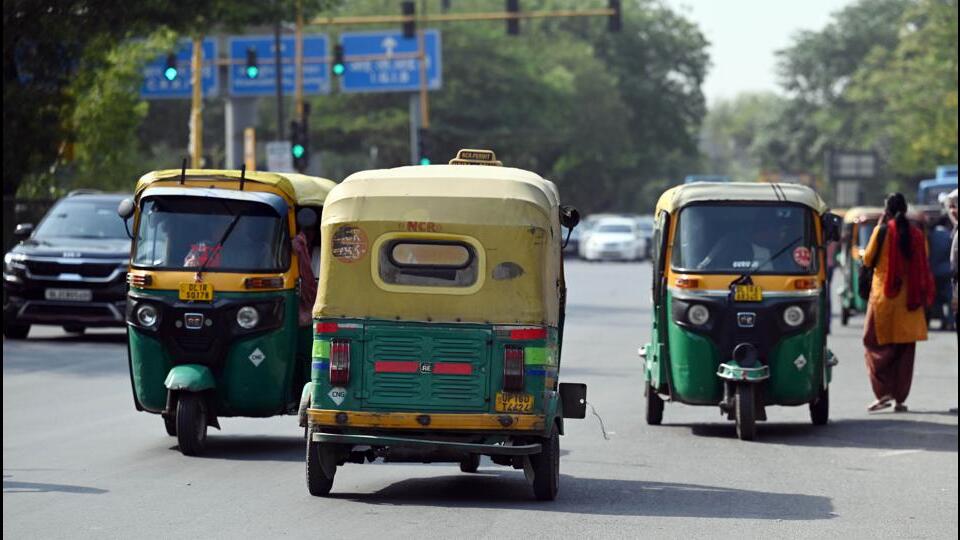
By an order of the top court passed in November 2011, only 100,000 three-seater auto rickshaw (TSR) are allowed to ply in Delhi. Prior to this, only 55,000 autos were allowed to operate, considering the fact that they used to run on “polluting fuels” such as petrol or diesel.
Dismissing Bajaj’s application for clarification that the cap will not apply to BS-VI CNG autos, a bench of justices AS Oka and Augustine George Masih said: “We will not entertain an application at the behest of a private manufacturer. If this court starts entertaining applications by manufacturers, driven by commercial interest, it will send wrong signals.”
It further clarified: “The order of this court imposing a cap on TSRs was to protect the environment. If there is drastic change of circumstances and in the interest of people, [and the] cap needs to be lifted, an application should come from the government or any organisation working in the interest of common man. But an application cannot come from the manufacturer of autos.”
Bajaj’s application was pending in the top court since 2018 and was moved in the MC Mehta matter where the court has been issuing directions in the interest of protecting the environment and curbing pollution in Delhi-NCR.
Senior advocate Dhruv Mehta, appearing for Bajaj, pointed out that TSRs provide a vital means of commutation for citizens in Delhi and realising this, the statutory authority called the Environment Pollution (Prevention and Control) Authority or EPCA, assisting the court on Delhi pollution issues, had in an earlier report recommended that the cap should be lifted with the availability of cleaner fuels. He also referred to an affidavit by Delhi government’s transport department in 2011 stating that with the explosion of population in Delhi, at least 240,000 autorickshaws are needed in the city.
Interestingly, the Delhi government was represented in court by advocate Jyoti Mendiratta who opposed the application by Bajaj citing “change in circumstances” with development of the Delhi Metro and other modes of public transport.
When the cap was imposed, Mehta said that petrol two-stroke engine autos that were highly polluting were common. Even the 2011 order allowed issue of nearly 5,000 new permits for CNG autos. Over the years, even the old autos have been completely replaced with the new CNG-driven fleet reducing the pollution load in the city, he added.
The bench said, “It’s a different thing if the government comes out with a policy. But will the court be justified to lift the cap at the instance of private manufacturers. You may have commercial interest. How can we increase the cap if somebody wants to have more business.”
Mehta requested the court to consider sending the application to the Commission for Air Quality Management (CAQM) which is an expert body for giving an independent view. The court was firm that even such a request cannot be made at the instance of the manufacturer.
Bajaj is the world’s largest manufacturer of three-wheelers. The application filed by it claimed that it enjoys 55-60% market share in the three-wheeler segment in India with almost a complete monopoly in the autorickshaw sector in the Capital.


