
 E-Paper



Good plays will attract audience irrespective of ticket price, says Waman Kendre, theatre director
The former director of National School of Drama (NSD), Delhi, is in Pune to deliver and conduct workshop sessions as an expert, at the ongoing playwright extension programme of NSD


Theatre director Waman Kendre is back in Maharashtra from Delhi after six years, but the academician in him can’t put his teaching instincts aside. The former director of National School of Drama (NSD), Delhi, is in Pune to deliver and conduct workshop sessions as an expert, at the ongoing playwright extension programme of NSD.
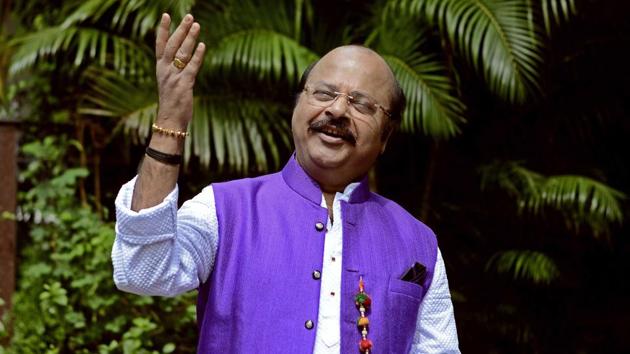
NSD in collaboration with Maharashtra Education Society’s College of Performing Arts, is organising a three-month playwriting theatre workshop from October 21, 2019 to January 20, January 2020 in Pune. The workshop will focus on play writing by eminent playwrights, theatre directors and actors from across the country.
“Every person needs to rest after having worked for 16 to 18 hours a day, and it was indeed sheer hard work that went in conducting the theatre event, Theatre Olympics,” said Kendre about this work on Theatre Olympics which was organised in 17 cities simultaneously, conducting 1,500 shows within 51 days.
Kendre, who is known for his eclectic mix of Marathi drama, besides working on the expansion of NSD as well as decentralisation process of the school of drama, is currently travelling, lecturing and taking note of what is happening in the theatres of Maharashtra and in other parts of the country.
“I am coming up with three productions for next year; will be reviving two of my plays though it is too early to disclose which of my plays I will choose. The third play will be a brand new script. The audience will have to wait until March or April for more information,” said Kendre, who is keeping himself busy by conducting workshops for actors and voice and speech cultivation, which he states is very important for the new and fresh actors.
“I have always been known for inducting actors into the industry since the past 35 years. This helps when one is working on a large production like Ranangan which took two and a half years to write and four months for production,” said Kendre.
Kendre said that any good play will get its audience, whatever the price of the ticket it may be at when quizzed about the current state of Marathi theatre. “The cost of production in a play is very high since it is live entertainment, besides people must be willing to spend the same, if they want quality entertainment. In fact, in comparison, the ticket prices for Marathi plays is not even at par with other plays that are staged in English, Hindi or Gujarati,” said Kendre.
The artist has also been vocal about the state of auditoriums/theatres where plays are staged. “Government should give priority to cultural activities, however, so far what I have observed is that cultural elements of a city are on the last tire of the agenda of any government. I am yet to see a visionary artist as a cabinet minister who would take Indian performing arts, theatre in the world and onto a global platform.”
He said, “In terms of creating or building infrastructure, the need of the hour is to create theatre complexes, using new technology, giving distinctive spaces for separate elements which include, rehearsals space, makeup rooms and smaller intimate spaces for innovative and experimental theatre. Unfortunately, we don’t have such theatres; instead, the government looks at building a large-seater multiple-use auditorium. Experimentation and innovations are the identity of Marathi theatre. This state is crazy about natak, we have a tradition of sangeet natak, but we still don’t have a dedicated theatre university.” He stressed upon the requirement for autonomous institutions that could help fill the void, as well as the introduction of fellowships, scholarships that could help aspiring artists to look at theatre as means to livelihood and not just part-time entertainment.


