
 E-Paper



Centre pulls up MCG over sewer neglect as untreated waste reaches Yamuna drains
ULB Dept orders audit of 41 micro STPs, flags illegal sewer drain links, warns cosmetic fixes will not pass as NGT scrutiny tightens

 Prefer HTon Google


The Municipal Corporation of Gurugram (MCG) has been pulled up by the Haryana Urban Local Bodies Department over alleged negligence in maintaining the city’s sewerage infrastructure and wastewater treatment systems, with the matter now reaching the Union Ministry of Home Affairs amid growing concern over untreated sewage flowing into drains linked to the Yamuna basin.
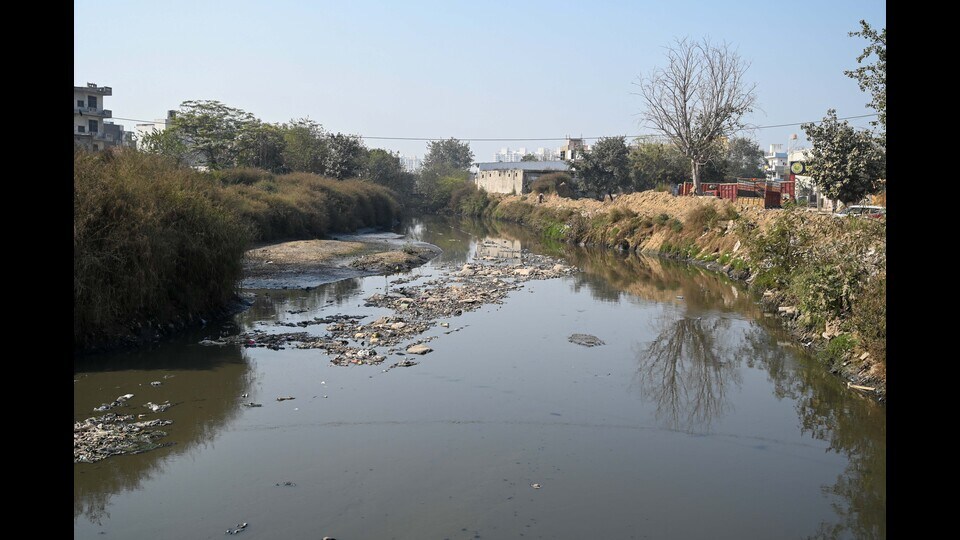
Senior officials said the Centre’s intervention follows sustained complaints about untreated sewage entering stormwater drains and water bodies, an issue that is also under close scrutiny of the National Green Tribunal (NGT). The state government has warned that cosmetic compliance will no longer be accepted and that visible, on-ground improvements must be demonstrated.
The trigger for the action lies in persistent National Green Tribunal (NGT) observations that Gurugram continues to discharge large volumes of untreated sewage into stormwater drains through illegal sewer–drain interlinking, alongside the non-functional or poorly performing micro sewage treatment plants (STPs) installed over the past few years.
During a recent high-level review meeting, officials of the urban local bodies department reprimanded MCG officers for persistent failures in checking illegal sewer connections and ensuring the functioning of micro sewage treatment plants (STPs). The department has ordered a detailed inspection of all illegal sewer lines discharging into stormwater drains, along with a comprehensive audit of every micro STP installed in the city.
About five years ago, MCG installed 41 micro STPs at a cost of around ₹75 crore across parks and residential colonies, said Ravinder Yadav, additional commissioner, MCG. “We are already checking the STPs and will ensure they are functional at the earliest,” he said. Intended for local sewage treatment and reuse for horticulture, over half are non-functional or technically defective, officials admitted.
The MCG has now sought a detailed status report on all 41 plants, including their operational condition, maintenance expenditure and reasons for prolonged shutdowns. Officials are also examining whether the plants are being operated as per prescribed norms and how funds allocated for their upkeep are being utilised.
During the review, the large-scale illegal interlinking of sewer lines with stormwater drains was highlighted. According to Central Public Health and Environmental Engineering Organisation (CPHEEO) guidelines, stormwater drains are meant only for rainwater, but in Gurugram, sewage is being discharged directly into these drains at hundreds of locations, claimed officials of the Haryana Urban Local Bodies Department.
Officials warned that such illegal connections are a major cause of sewage backflow during the monsoon, leading to waterlogging, foul odour and contamination of surface water. Gurugram, Faridabad, Manesar and three other municipal corporations have been directed to launch immediate drives to disconnect such links and divert sewage to the main sewer networks.
Cabinet minister Rao Narbir Singh had earlier expressed displeasure over the condition of micro STPs and sewer networks, directing the Haryana State Pollution Control Board to carry out physical verification of all plants. “Untreated sewage entering rivers and lakes is not just an environmental violation but a serious public health risk,” he had said.
Following the reprimand, MCG has launched a citywide survey to identify sewage discharge hotspots from January 5. GPS mapping is being carried out to pinpoint illegal sewer-to-drain interconnections. Officials said a recent detection of illegal discharge in Sector 42 by GMDA is being treated as a model case for similar action across the city.
Industries have also been warned by MCG that non-functional STPs or failure to reuse treated water will attract heavy penalties, signalling stricter enforcement in the coming weeks.
In response to the allegations, Haryana Urban Local Bodies Minister Vipul Goel said the government would ensure that all sewerage and wastewater treatment projects lying defunct are taken up and revived in a phased manner. “Every micro STP in Gurugram will be physically verified and audited, and strict action will be taken wherever negligence or misuse of funds is found. There will be no compromise on sewage management. All shortcomings will be addressed on the ground, not just on paper,” he said.


Stay updated with all the Breaking News and Latest News from Mumbai. Click here for comprehensive coverage of top Cities including Bengaluru, Delhi, Hyderabad, and more across India along with Stay informed on the latest happenings in World News.


