
 E-Paper



‘Gurugram, a cosmopolitan city with patchy infra’
The 45-year-old telecom professional moved to Gurugram from Madhepur in Bihar in 2009 for professional growth

 Prefer HTon Google


When Gaurav Prakash moved to Gurugram in 2009, he had least expected that the city would soon become his second home. After nearly two decades, he recognises Gurugram as a city full of possibilities, where he, his wife and children have prospered.
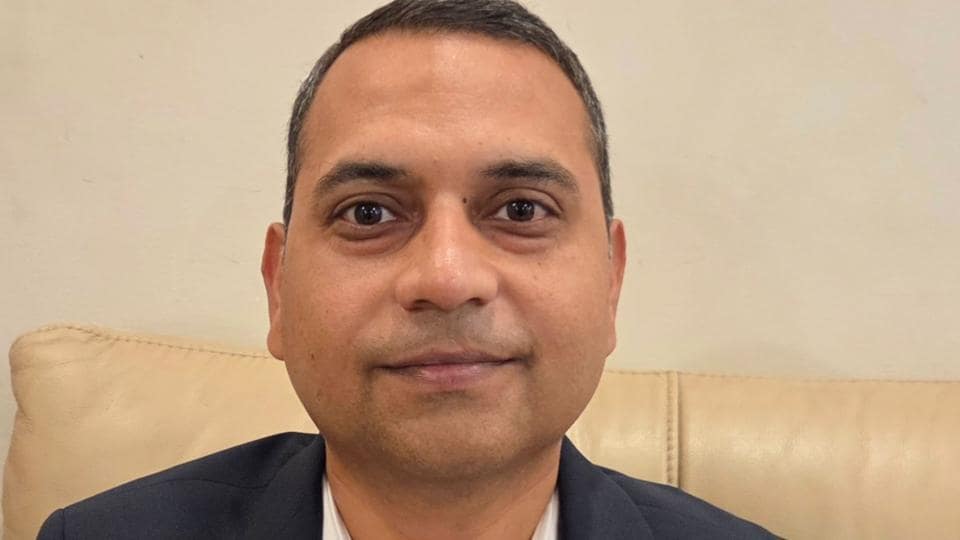
The 45-year-old telecom professional moved to Gurugram from Madhepur in Bihar for professional growth. He said the city has given him the space to grow professionally and build a life. But one aspect where the city falters is its infrastructure, he said.
Prakash describes Gurugram as a truly cosmopolitan city, one that brings together people from different states, backgrounds and walks of life, all drawn by the prospect of a better life. In his view, this diversity is among the city’s biggest strengths.
He said, however, that his long association with the city has given him a closer look at its uneven development.
According to him, development in Gurugram often appears concentrated in a handful of sectors, while several newer residential areas struggle to catch up. As the city continues to attract residents and businesses, he believes the administration needs to look beyond the more prominent neighbourhoods and ensure that infrastructure development is more evenly distributed.
“While Gurugram has expanded rapidly over the years, its civic infrastructure has not grown at the same pace. The city is divided into two parts:: Sectors 1-57,, which were developed under the Haryana Urban Development Authority (HUDA), and the new sectors developed later. The older sectors have metro connectivity, public transport, and roads, while new sectors remain neglected,” Prakash explained.
For Prakash, the issue is not simply about the pace of construction or the number of new residential and commercial projects coming up. It is about whether the city can provide the infrastructure needed to support the people moving into these areas.
“Despite Gurugram’s position as one of the National Capital Region’s prominent employment and residential hubs, travelling from residential neighbourhoods to major transport networks and workplaces can remain a challenge. There is no proper last-mile connectivity in the city. Other NCR cities are much ahead of Gurugram,” he says, adding that one cannot really survive for long in Gurugram without owning a vehicle of their own.
The concern becomes particularly relevant in a city where people depend on daily commuting for work, education and other essential activities.
“A city that attracts people from across the country must also make it easier for them to move around,” he said.
What once appeared to be a city full of opportunities has, over time, also become a place where he wants to see more balanced and inclusive development.
Gaurav Prakash is a resident of Sector 109 in Gurugram and works in the telecommunications industry. He has lived in the city for close to two decades.


Stay updated with all the Breaking News and Latest News from Mumbai. Click here for comprehensive coverage of top Cities including Bengaluru, Delhi, Hyderabad, and more across India along with Stay informed on the latest happenings in World News.


