E-Paper



Indore criminalises giving alms to beggars, says will prosecute violators
Indore district collector Asheesh Singh said the first phase of the campaign against begging started in February this year

 Prefer HTon Google


BHOPAL: Indore has prohibited giving alms to beggars on the city’s streets and will book people who do so after January 1, 2025, the district authorities said on Monday.
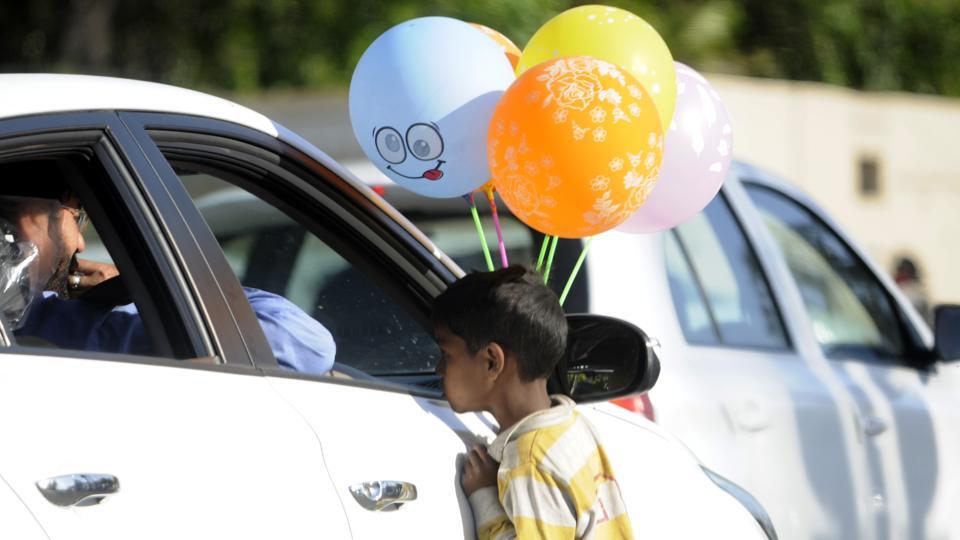
Indore district collector Asheesh Singh said the first phase of the campaign against begging started in February when beggars and their families were counselled to not beg. “From September to December, more than 300 beggars have been detained and sent to ashram in Ujjain to take a pledge to not beg. Now from January 1, 2025, FIR will be registered against those who will give money and alms to elders and children,” he said.
According to an officer, the district collector has issued orders under Section 163 of the Bharatiya Nagarik Suraksha Sanhita (BNSS) to prohibit seeking and giving alms. This provision is similar to Section 144 of the erstwhile Code of Criminal Procedure and empowers the district authorities to issue prohibitory orders for a limited duration.
People who violate orders issued under Section 163 are liable to be punished by a jail term of a maximum of six months and a ₹1,000 fine.
To be sure, the Supreme Court refused to ban begging in 2021, observing that it was a socio-economic problem and people were forced to beg to eke out their livelihood due to the absence of education and employment.
Teams comprising officers and employees of seven departments have been constituted to enforce the provisions.
“We have already imposed prohibitory orders for punitive action against those who give alms and purchase anything from children from the street. Now, the campaign will be run from January 1, 2025 to make Indore beggar-free,” Singh added.
The IAS officer claimed that many beggars detained by the authorities during the past few months were not destitutes and owned farmland, a plot of land and a bank balance in excess of ₹1 lakh.
Project officer Dinesh Mishra said, “More than three hundred elderly and adults have been detained and sent to Sevadham Ashram, Ujjain. In the ashram, they took a pledge of not begging in future. A few people are living there while a few reunited with their families.”
Mishra added that the administration had sent some beggars to de-addiction camps run for drug addicts.
Indore is among the 10 cities selected for a pilot project under the union ministry of social justice and empowerment’s Bhiksha Vriti Mukta Bharat. The ministry runs a scheme, Support for Marginalized Individuals for Livelihood and Enterprise (SMILE), which has a sub-scheme for the rehabilitation of persons engaged in begging.
The Union government told the Rajya Sabha on December 4 that the SMILE sub-Scheme on comprehensive rehabilitation of persons engaged in the act of begging, including children, was being implemented in 81 cities/towns of religious, historical and tourist importance.