
 E-Paper



300 temples @ ₹150 cr: Ayodhya flagship kindles Mission Renovation
With over ₹150 crore earmarked in just two years of the Yogi 2.0 government, this temple drive continues to gather steam.

 Prefer HTon Google


The flagship moment of the BJP’s temple politics may have been the inauguration of the grand Ram Lalla shrine in Ayodhya, but the momentum surely does not end with it.
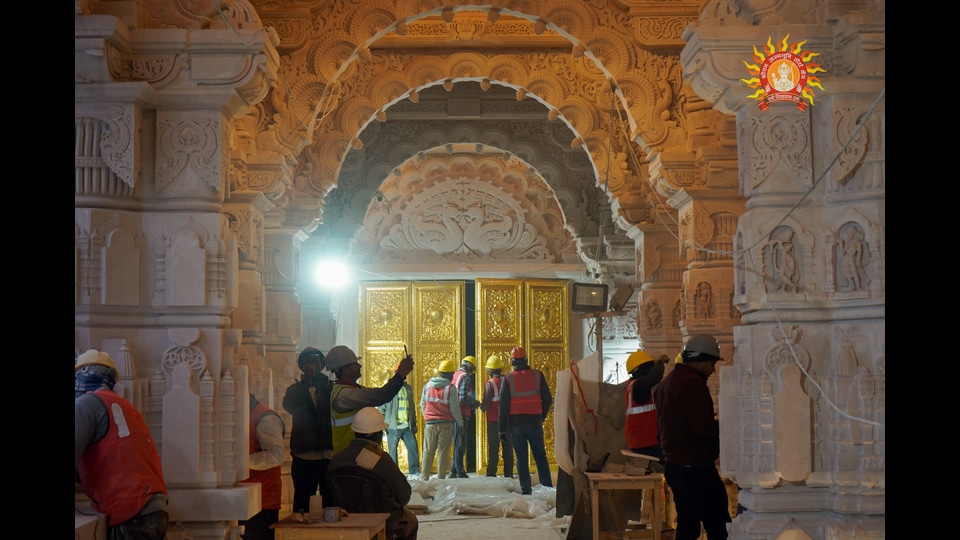
More than 300 Hindu temples across the 75 districts of Uttar Pradesh have got a whopping ₹50 lakh each for renovation and beautification work, according to exclusive details accessed by Hindustan Times. The amount is higher, as much as ₹2 crore each, for some larger temples.
With over ₹150 crore earmarked in just two years of the Yogi 2.0 government, this temple drive continues to gather steam.
“Several temples are centuries’ old and required repair but remained neglected under successive governments,” Uttar Pradesh tourism and culture minister Jaiveer Singh said, explaining the concept behind the initiative.
“The Uttar Pradesh government decided to restore the glory and fame of the temples. The districts’ administration and people’s representatives were directed to send the list of the temples in their areas that required renovation,” Singh said.
Then, the list was handed over to the construction agencies to prepare the estimate of the works.
Some of the reconstructed and renovated temples include Bateshwar Dham temple in Agra district, Rupani Devi temple in Firozabad, Aamani Bab temple in Aligarh, Kailash temple in Etah, Taragarh temple in Hathras, Lalpuri temple in Mainpuri and Laxmi temple in Mathura, Hathiram Baba temple in Ayodhya. The Shiva Baba temple in Ambedkar Nagar, Mahadev temple in Barabanki, Ram Janaki temple in Amethi, Jalhidham temple in Gonda, Baba Bihari Das temple in Bahraich, Maa Pateshwari temple in Balrampur and Jharkhandi Mahadev temple in Gorakhpur are also on this list.
“We have hired architects for the restoration works in the temples. The funds were released accordingly to the agencies to complete the restoration work,” he said, detailing the method behind the drive.
Now, with many crumbling edifices being restored to their original glory, the temples are abuzz with activities and the presence of devotees these days.
“Along with the structure of the temples, their premises and boundary walls have been reconstructed. Sheds have been erected, arrangements for drinking water have been made and benches installed in the temple area. The link roads connecting the temple to the nearby highways or villages have been repaired to facilitate the visit of pilgrims and tourists. Guest houses are being constructed near prominent temples,” he said.
“These temples are centres of religious and cultural activities. Along with performing religious rituals, the local people assemble for cultural activities, including bhajan, kirtan and Ramkatha,” he said, underlining the shrines’ multifaceted importance.
All the while, the accent was on the quality of work and adherence to standards was ensured before making payments.
“The state government has allocated, on average, ₹50 lakh to ₹2 crore for the restoration works. The bigger temples have been allocated larger funds. The construction works were monitored by the administration. After completion, a technical team was sent by the tourism and culture department to check the quality of the works and submit a report. Funds were released to the construction agencies according to the technical team’s report,” Jaiveer Singh said.
He further said the U.P. government has made the restoration work in the temples a continuous process.
“After the works in the temples have been completed, the officers and people have been directed to send a list of the remaining temples in their areas,” he said.
“We have constituted district tourism and culture council in all the 75 districts to monitor the construction, organise festivals and cultural activities on the temple premises. The village committee has been given musical instruments for revival of traditional bhajans and kirtans in temples,” he said.
Singh further said constitution of the Braj Teerth Vikas Parishad, Vindhya Dham Teerth Vikas Parishad, Shree Ayodhya Jee Teerth Vikas Parishad, Shree Devipatan Dham Teerth Vikas Parishad and Shree Shuk Teerth Vikas Parishad will give momentum to renovation of the temples and development of religious spots in various districts.
The construction of Ram temple started in Ayodhya on August 5, 2020 after bhoomi pujan by Prime Minister Narendra Modi.
About 42 months later, the Prime Minister led the consecration ceremony of Ram Lalla on January 22. The next day, the temple was opened to devotees and has been drawing pilgrims from across the country ever since.
“Construction of the Ram temple in Ayodhya is the flagship project of the state government plan to renovate and rebuild the temples across the state,” Singh added.


