
 E-Paper



Azad starts 2027 poll hunt, personally screens ticket hopefuls in Uttar Pradesh
ASP chief launches early candidate selection process to strengthen organisation, expand Dalit base and boost leverage ahead of assembly elections

 Prefer HTon Google


Signalling an early push for the 2027 Uttar Pradesh assembly elections, Nagina MP and Azad Samaj Party (Kanshiram) chief Chandrashekhar Azad on Saturday personally interviewed around 80 ticket aspirants from western Uttar Pradesh, launching what party leaders describe as a comprehensive exercise to identify winnable candidates and strengthen the organisation at the grassroots level.
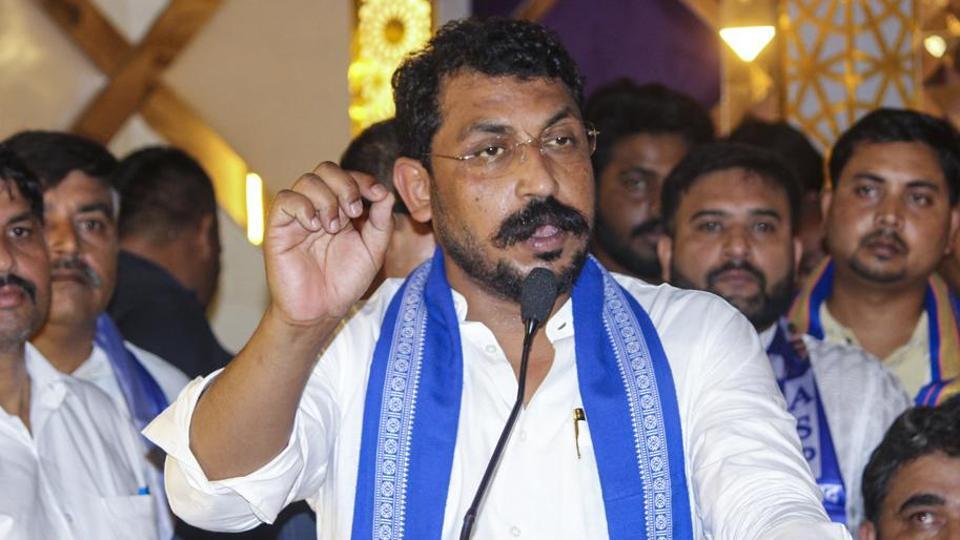
The multiple days screening programme, being held in Lucknow from Saturday, marks a departure from conventional candidate selection practices, where recommendations from local leaders often play a decisive role. Instead, Azad is directly assessing aspirants on their electoral preparedness, social outreach, caste equations, booth-level network and organisational influence.
Aspirants from Saharanpur, Meerut and Moradabad divisions were the first to face detailed questioning from the party chief. According to participants, discussions centred on constituency-specific demographics, local political challenges, voter mobilisation strategies and plans for expanding the party’s presence over the next seven to eight months.
“He wanted precise details about caste composition, voter strength, local issues and organisational reach in our constituencies,” said an aspirant who attended the session.
Party functionaries said feedback from divisional presidents and organisational office-bearers would also be considered before candidates are finalised.
The exercise comes nearly a year before major political parties are expected to begin serious candidate selection, underlining Azad’s attempt to transform the Azad Samaj Party from a personality-driven outfit into a structured, cadre-based political organisation.
Early identification of candidates is expected to give them time to build local networks, strengthen booth committees and increase visibility in their constituencies.
Political observers view the move as part of Azad’s broader strategy to emerge as a significant Dalit political force beyond his traditional pockets of influence. The exercise also carries implications for the state’s opposition politics, particularly as competition intensifies for the Bahujan vote.
Analysts say that if the ASP succeeds in attracting even a modest share of the traditional support base of the Bahujan Samaj Party, it could enhance Azad’s relevance in future opposition alliance negotiations while increasing pressure on the BSP in several closely contested constituencies.
For now, however, the party maintains that the focus remains firmly on organisational expansion and selecting candidates based on merit, local credibility and electoral viability.


