
 E-Paper



Buddhist Conclave in Lucknow to highlight Pali literature’s role in world peace
The central theme of the conference, “The Contribution of Pali Literature to World Peace and Harmony,” will encompass discussions on various subtopics


More than 150 researchers and scholars from countries including Vietnam, Thailand, Indonesia, Sri Lanka, Nepal, Myanmar, the Netherlands, and Bangladesh, along with Buddhist monks, acharyas, scholars, and devotees, are expected to attend the International Buddhist Conclave, organised by the department of culture and tourism from November 9 to 11.
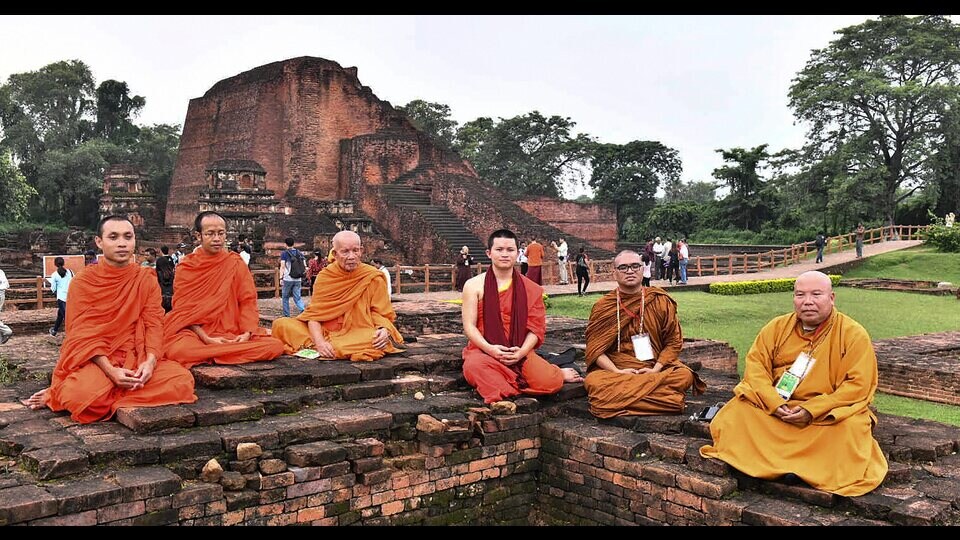
A Pali Literature Conference will also take place at the Shanti Upvan, Buddhist Vihar in Alambagh, during the conclave. This will be the first event of its kind held in Lucknow, with future conferences planned at other Buddhist pilgrimage sites across Uttar Pradesh, said principal secretary of tourism and culture, Mukesh Meshram.
The central theme of the conference, “The Contribution of Pali Literature to World Peace and Harmony,” will encompass discussions on subtopics such as Buddhist tourism, Pali language and literature, archaeology, Buddhist culture, ancient history, and Indian knowledge traditions.
Notable dignitaries attending include Deputy Chief Minister of Uttar Pradesh Brajesh Pathak as the chief guest, and Govind Narayan Shukla, Member of the Legislative Council, as the special guest. Prominent speakers will feature Professor Thich Nhat Tu from Vietnam, Professor Tashi Chhering, Professor Umashankar Vyas, and Dr Ven. Julampitiye Punyasara Thero from Sri Lanka.
The event highlights will include Dhammapada Chanting, Pali Sutra Chanting, an art and painting exhibition, a Pali Book Fair, Buddhist Dhamma music, a handicraft exhibition, cultural evenings, and performances by Pawa Band, Dhrupad singers, and the Atthodeep Bhav organisation.
The conference will also commemorate the recent recognition of Pali as a classical language, expressing gratitude to Prime Minister Narendra Modi and his Cabinet. The recognition has brought immense pride and joy among scholars, researchers, and students in the fields of Buddhist studies, culture, and philosophy. Pali, as a classical language, holds cultural significance for countries such as Sri Lanka, Myanmar, Thailand, Laos, and Cambodia.


