
 E-Paper



Final UP rolls may see further dip in numbers
After publishing the draft electoral rolls, which lists 125.5 million voters and removes 28.9 million, EC decided to issue notices to 10.4 million voters in UP.

 Prefer HTon Google


The final electoral rolls for Uttar Pradesh, scheduled to be published by the Election Commission (EC) on March 6, may see further deletions of voters’ names beyond those already reflected in the draft rolls.
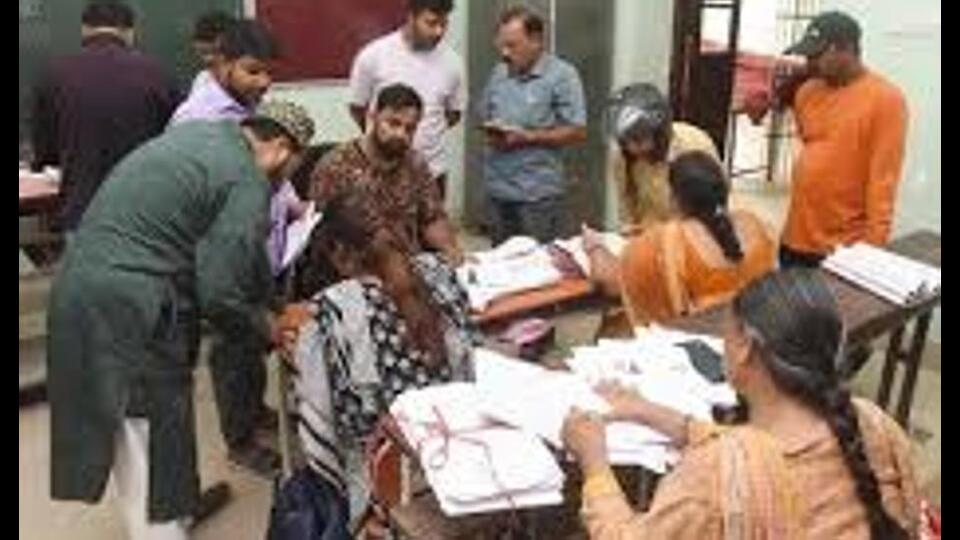
After publishing the draft electoral rolls on Tuesday, which lists 125.5 million voters and removes 28.9 million names, EC decided to issue notices to 10.4 million voters in Uttar Pradesh whose names could not be matched or linked during the mapping exercise with the voter list from the last Special Intensive Revision conducted in 2003.
ALSO READ | Amid urban challenge, Lucknow tops in voter deletion figures
Although the names of these voters have been included in the draft electoral rolls, the Commission has decided to issue notices requiring them to appear before the electoral registration officer of their respective assembly constituency for a hearing.
The voters who get notices will have to complete the procedure and submit required documents to get their names included in the final electoral rolls.
ALSO READ | Provide documents on war footing to eligible voters: Kerala CM to district collectors
Uttar Pradesh chief electoral officer Navdeep Rinwa said the claims and objections period is from January 6 to February 6. The notice phase and disposal of claims/objections will take place from January 6 to February 27 and the final voter list will be published on March 6.
Voters can file claims/objections during the period marked for the purpose. A total of 403 electoral registration officers and 2,042 assistant electoral registration officers appointed by the EC in Uttar Pradesh will examine claims and objections
The first appeal filed by a voter aggrieved by the decision of the ERO will be heard by the district magistrate and the second appeal against the decision of the DM will be heard by the chief electoral officer of the State.
The CEO said, “If a name is missing from the voter list, Form 6 must be filled and submitted. Form 6 will be used for new voters, Form 6A for those living abroad, Form 7 for deletion or objection, and Form 8 for correction/substitution.”
ALSO READ | Gautam Budh Nagar, Ghaziabad publish draft electoral rolls after SIR exercise
Application forms can be obtained and submitted from BLOs, tehsil-based Voter Registration Centers (VRCs), ceouttarpradesh.nic.in, or online through the ecinet mobile app/voters.eci.gov.in”
“No name will be deleted from the voter list without following the prescribed procedure. The Election Commission reiterates its commitment to a transparent, participatory and inclusive revision process to ensure that no eligible voter is left out and no ineligible voter remains on the list,” Rinwa said.
DOCUMENTS TO BE SUBMITTED DURING HEARING
During the hearing before the ERO, the voter will be required to submit one of the following documents:
* Any identity card/pension payment order issued to a regular employee/pensioner of any Central Government/State Government/Public Sector Undertaking.
* Any identity card/certificate/record issued in India by the Government/Local Authorities/Banks/Post Office/LIC/Public Sector Undertaking before July 1, 1987. Birth certificate issued by a competent authority.
* Passport or the matriculation/educational certificate issued by a recognised board/university. Permanent residence certificate issued by a competent State Authority.
* Forest rights certificate, Other Backward Classes/Scheduled Caste/Scheduled Tribe or any other caste certificate issued by a competent authority.
* The National Register of Citizens (wherever it exists).
Family register prepared by the State/local authorities. Any land/house allotment certificate issued by the government.
* Aadhaar as per the instructions issued by EC vide letter No. 23/2025-ERS/Vol. II dated September 9, 2025 (Annexure II) will apply.


