E-Paper



Fresh row as GSVM Medical College, police at odds over amputated hand
The hand belonged to Nirmala Devi, mother of ITBP jawan Vikas Singh, who has accused two private hospitals of negligence that allegedly led to the amputation of her right arm. While medical college officials claimed the examination was effectively being imposed on a facility unequipped for such testing, police denied any coercion and said the sample was sent only after consultations with health authorities.

 Prefer HTon Google


Ten days after Kanpur police took custody of a severed hand cited as a key piece of evidence in a medical negligence case, GSVM Medical College has alleged that the sample was deposited with the institution despite repeated communication that it lacks facilities for forensic histopathology, triggering a dispute between investigators and medical authorities.
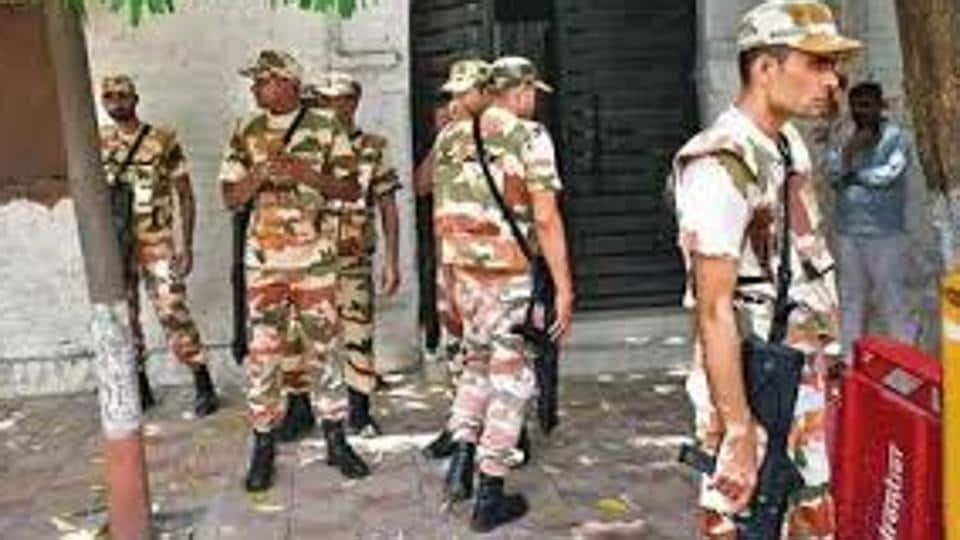
The hand belonged to Nirmala Devi, mother of ITBP jawan Vikas Singh, who has accused two private hospitals of negligence that allegedly led to the amputation of her right arm. While medical college officials claimed the examination was effectively being imposed on a facility unequipped for such testing, police denied any coercion and said the sample was sent only after consultations with health authorities.
Deputy principal Dr Richa Giri confirmed that the medical college had received the sample. However, pathology department head Dr Lubna Khan said the institution conducts only routine histopathological examinations and does not have facilities for forensic histopathology. She said police had already been informed of this limitation. College officials alleged that the arm had earlier been returned on the same grounds, but was deposited again despite written communication stating that the required forensic examination could not be carried out there.
Principal Dr Sanjay Kala said forensic histopathology is distinct from routine pathology work and that he would review the condition and packaging of the sample before deciding the course of action.
Chief medical officer Dr Hari Datt Nemi said procedures had been explained to the Rail Bazaar station house officer and that the sample was sent to the medical college accordingly. He added that instructions had earlier been issued for proper preservation of the limb.
DCP (East) Satyajit Gupta rejected allegations of coercion. “A doctor at the medical college received the sample. There is no question of it being handed over forcibly,” he said.
The controversy stems from a case in which Vikas Singh alleged that his mother, admitted to Krishna Hospital on May 13 with severe respiratory and cardiac distress, developed complications that caused her hand to turn black. She was shifted to Paras Hospital on May 17, where doctors amputated the arm. An FIR has since been registered against both hospitals, and police are investigating allegations of medical negligence.