
 E-Paper



From debt to death: Caught in a vicious circle as loan sharks prey on soft targets
Alleged instances of death by suicide by city traders, including a Chowk merchant and his family, and a realtor in Gudamba, over mounting debt and alleged harassment by creditors raises an alarm over illegal lending practices in Lucknow


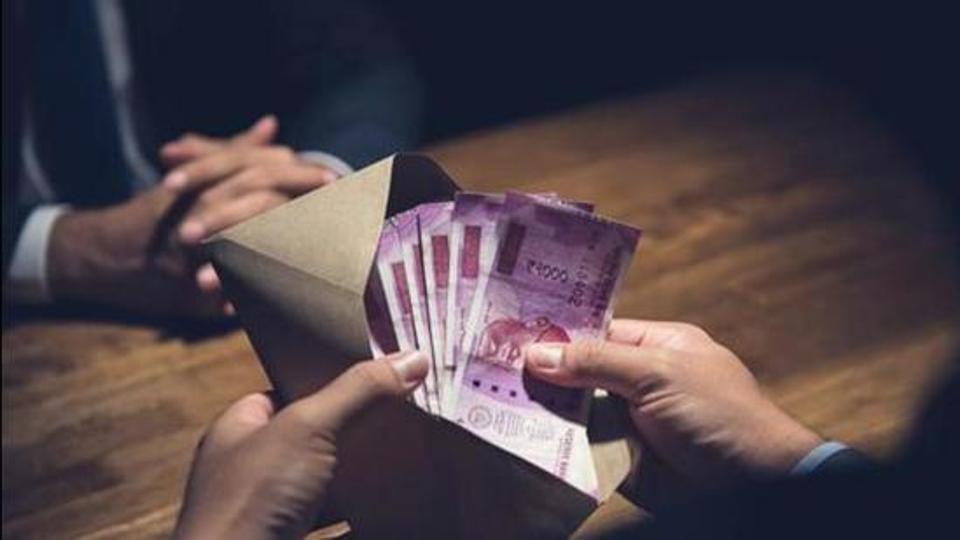
The dark world of money lending, harassment and humiliation has snared many businessmen as a disturbing pattern of suicides linked to mounting debt has shaken the city traders’ community.
In multiple recent tragedies, a businessman from the Chowk area killed his wife and minor daughter before allegedly taking his own life, unable to bear the pressure of spiraling loans of approximately ₹50 lakh and relentless harassment from loan sharks.
Similarly, another 36-year-old realtor from Gudamba shot himself in his office. He also went live on Facebook right before the suicide and mentioned over ₹15-crore debt and pressure from the creditors to repay the amount, failing which he went into depression. Likewise, a gas cylinder delivery man in the Sarojini Nagar area allegedly consumed a poisonous substance, reportedly under pressure of unpaid debts. The family told police that he had borrowed money from several individuals and was under tremendous financial strain.
In all the cases, the victims had borrowed money at exorbitant interest rates from private banks and even from private moneylenders operating outside the legal and regulatory frameworks, police officials familiar with the matter said.
These illegal moneylenders, often referred to as ‘sudkhors’, are known to use threats, public shaming, and violence to recover money.
In the Chowk case, the businessman had reportedly taken loans from multiple lenders to manage his struggling shop, but the pressure kept mounting. When he failed to repay, he was allegedly subjected to humiliation and threats that pushed him over the edge. Police have recovered a suicide note that blames the moneylenders for driving him to desperation.
“A number of these suicide cases is under investigation and we are also investigating the role of illegal lenders and promise strict action,” Deputy comissioner of police (Crime) Kamlesh Dixit said.
How loan sharks trap their victims
Loan sharks trap people by offering easy repayment, like ₹100 daily if the borrowed amount is ₹10,000 (i.e. only 1 per cent daily of the principal amount) or ₹1000 per month (i.e. 10% monthly), according to Vinod Maheshwari, UP convenor of All India Jewellers & Goldsmith Federation.
“Needy people often agree and repay installments without calculating the annual rate of interest. The annual rate will inflate to 365% for 1% daily and 120% for 10% monthly. Norms, however, say that repayment should not be more than double the principal amount. If one fails to pay back the interest amount any day or month then that amount would be added in the principal amount and the interest would be charged on the total amount. The borrowers get to know about loan sharks’ trap when this repayment process remains endless for years with the principal still existing as it is,” he added.
The Reserve Bank of India (RBI) mandates a Fair Practices Code, prohibiting undue harassment, threats, visits at odd hours, or use of abusive language by banks or NBFCs. Agents must carry identification, and a proper grievance redressal mechanism must exist .
Despite these protections, enforcement remains weak especially against unregulated or informal lenders (loan sharks), who often operate outside RBI oversight, relying instead on unethical pressure tactics.
Traders seek police help, raise issues in meeting
Several business leaders have condemned these harmful lending practices. The issue was raised by several traders’ organisations on Thursday in a high-level meeting with joint commissioner of police (Law and Order) Babloo Kumar. The JCP has also assured the businessman of all help.
VOICES
“While private banks charge 10%–11% on OD limits and private lenders over 20%. Not just private lenders, the banks also use their collectors who would often threaten businessmen, and publicly humiliate them using intimidation tactics—cell calls, threats, even violence,”
said Ram Prakash Gupta, president, Daliganj Sarafa Association.
“When there are clear guidelines on it, no loan provider can threaten a businessman. If the need arises they should lodge an FIR, but public humiliation, threat and mental abuse should not be accepted,” said Bannu of the Ashiana Vyapar Mandal.
Exorbitant interest rates kept hidden
“An aspiring businessman lands in a vicious circle and ends up paying much more in return to get back their property papers which they often keep as collateral. Hidden interest rates on the loanees make them more vulnerable,” said Lucknow Mahanagar Sarafa Association chairman Manish Verma.
What the law says
“The growing incidents of suicide on account of inability of individual borrowers, who obtain loans from private money lenders at exorbitant interest rates, falling prey to their deceitful tactics is a growing concern now. The Uttar Pradesh Regulation of Money lending Act of 1976 mandated registration of money lenders and criminalised the molestation of debtors by the registered money lenders. It’s now high time that the BULA (Banning of Unregulated Lending Activities), Bill, which has been mooted by the central government, be discussed, deliberated and eventually passed by Parliament, preventing the rising cases of suicide which is indeed detrimental to national interest,” said Syed Mohammad Haider Rizvi, an advocate.


