
 E-Paper



Govt schools in UP go bagless, swap textbooks for hands-on learning
Since the decision to introduce 10 bagless days was taken mid-session, the third and fourth Saturdays of November, all Saturdays of December, the third and fourth Saturdays of January 2026, and the first and second Saturdays of February were declared bagless days, according to a detailed calendar prepared by director general (school education) Monica Rani.

 Prefer HTon Google


Laughter, games, and hands-on learning replaced textbooks and heavy school bags in government upper primary schools across Uttar Pradesh on Saturday, as students of Classes 6 to 8 experienced the first of the state’s 10 planned ‘Bagless Days’.
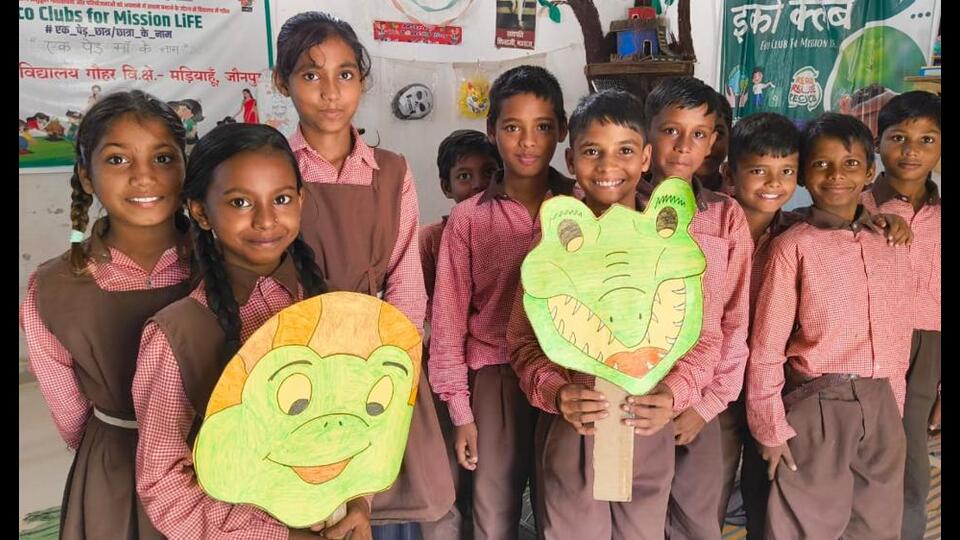
Designed under the National Education Policy (NEP) 2020, the initiative gives children a break from routine classroom pressures while introducing skill-based and experiential learning, an official said.
At a school in Kamaalpur, Block Rajpura, Meerut, students learned about good and bad touch using posters, props, and videos under the guidance of assistant teacher Sehba Jamal. In Fatehpur, children at a primary school in Asti enjoyed games, puppet shows, group discussions, music, and animal sound recognition activities. Headmistress Asiya Farooqui said the day helps boost creativity, self-confidence, and practical knowledge while connecting students with real-life experiences.
Since the decision to introduce 10 bagless days was taken mid-session, the third and fourth Saturdays of November, all Saturdays of December, the third and fourth Saturdays of January 2026, and the first and second Saturdays of February were declared bagless days, according to a detailed calendar prepared by director general (school education) Monica Rani.
“The students will be exposed to out-of-school activities from time to time, including visits to historical, cultural, and tourist sites, meetings with local artists and craftsmen, and visits to higher educational institutions in their villages, tehsils, districts, and states,” an official said. Notably, for the first time, children will also conduct case studies, allowing them to learn from real-life situations, not just textbooks.
Basic education minister Sandeep Singh described the initiative as a step toward equipping children with skills that could shape future vocational opportunities. Based on the ‘Anandam Guide’ prepared by the State Council of Educational Research and Training (SCERT), detailed guidelines have been issued to ensure schools across all 75 districts implement the program effectively, a government spokesperson said.


