
 E-Paper



High-tension lines still pass over 3,890 UP schools; nearly 2 lakh children at risk
According to the basic education department, 3,890 government primary and upper primary schools across the state continue to have high-tension power lines passing over their buildings. At the start of the current financial year, the number stood at 9,009 schools, of which the power department has so far removed the lines from 5,119 schools.

 Prefer HTon Google


Nearly two lakh children studying in 3,890 government primary and upper primary schools across Uttar Pradesh continue to face a potential safety risk as 11,000-volt high-tension power lines pass over their buildings or premises, nearly seven years after a snapped overhead wire left 55 students injured at a government school in Balrampur.
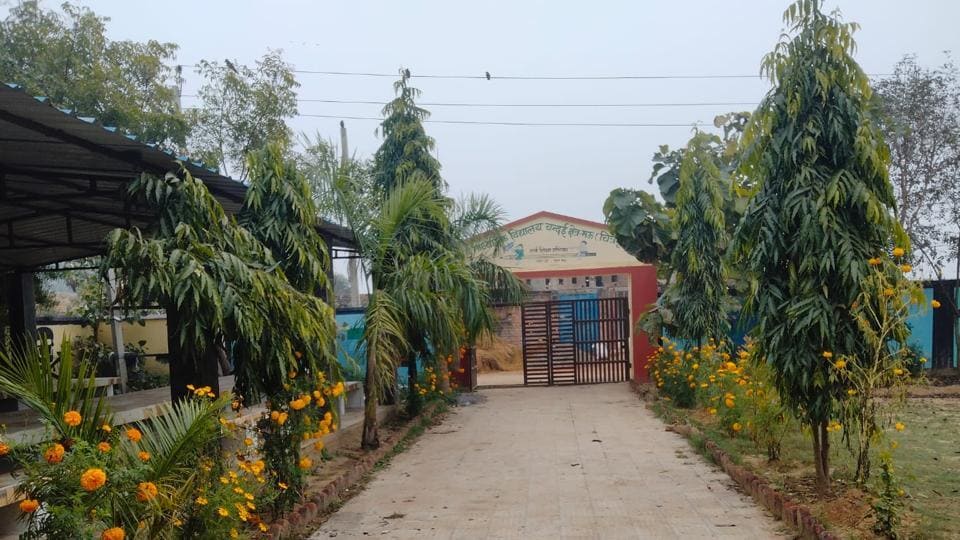
According to the basic education department, 3,890 government primary and upper primary schools across the state continue to have high-tension power lines passing over their buildings. At the start of the current financial year, the number stood at 9,009 schools, of which the power department has so far removed the lines from 5,119 schools.
“At the start of the financial year, there were 9,009 government schools through which high-tension wires were passing. So far, high-tension wires have been removed from 5,119 schools. As on date, there are 3,890 schools over which high-tension wires are still passing,” director of basic education Anil Bhushan Chaturvedi said.
Prayagraj, which houses the Directorate of Basic Education, has the highest number of affected schools at 270, followed by Jaunpur at 267. Other districts which have more than 100 such schools include Basti (227), Azamgarh (172), Ghazipur (169), Sonbhadra (156), Siddharthnagar (136), Jhansi (119), Fatehpur (115), Rae Bareli (116), and Ballia (102).
The issue first came into focus after 55 students suffered burns on July 15, 2019, when a high-tension wire fell on a government primary school in Utraula tehsil of Balrampur district. The incident prompted the state government to carry out a statewide survey to identify government schools over which high-tension power lines were passing. While power lines were subsequently removed from several schools, the problem continues to persist in thousands of institutions.
Officials said that on August 4, 2025, the basic education department wrote to the additional chief secretary (energy) seeking the removal of such high-tension power lines. Some schools even had some of the transformers and poles on their campus, they added.
“Due to high-tension power lines passing above primary and upper primary schools, there is a possibility of accidents,” an official said, adding that some schools also have electricity poles and transformers within their campuses.
“Very soon no school will have this issue,” Chaturvedi said, adding that the department has been pursuing the matter with senior officials in the power department.
Stating that high-tension electric wires put the safety of nearly 2 lakh children at risk, the basic education department has asked the power department to take necessary steps and relocate their infrastructure, according to an official communique.
Sharing further details, an official said the state government had allocated ₹100 crore directly to power corporations for shifting electricity infrastructure from school premises in view of student safety.
“About 80% of the amount has already been sanctioned and released by the government. We are hopeful that the power department will take up the work on priority and remove high-tension wires passing over schools,” the official said.
Teachers in affected schools said the overhead power lines remain a constant source of concern, particularly during the monsoon.
“Children and teachers live in fear during thunderstorms. In the event of an accident, compensation is announced, but accountability is rarely fixed. In the name of action, only a cover-up is done,” a teacher at a government school in Prayagraj said requesting anonymity.


