
 E-Paper



Housing hurdles: Queer community in Lucknow struggles for acceptance
Members of the Lucknow queer community say that being openly queer makes it nearly impossible to find a place to live.

 Prefer HTon Google


Instances of queer individuals being denied housing, both on campus and off, are increasingly common, and the situation in Lucknow is no different. While unmarried people already struggle to secure rental housing, members of the Lucknow queer community say that being openly queer makes it nearly impossible to find a place to live.
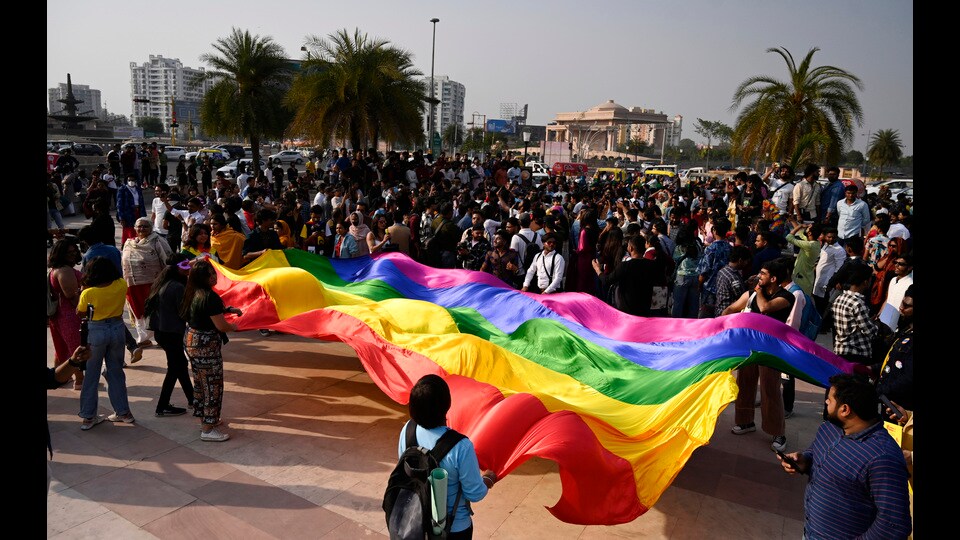
“Have you ever seen a trans person or a flamboyantly dressed gay man holding a Pride flag come out of an apartment building? It is a rarely seen sight. It hardly matters if we are educated or can afford the rent; house owners think of it as unnecessary charity,” said Chandni, a trans woman who lives in a group home for trans women. “Our real identities only get police protection during public marches or rallies,” she added.
The queer community represents various individuals with different sexual identities, including lesbian, gay, bisexual, transgender, queer (or sometimes questioning), intersex, asexual, and others, collectively known as LGBTQIA+
Outside of websites specifically for property listings, there are now several groups on social media where owners and brokers list properties, specifying a preference for family tenants rather than unmarried individuals or working bachelors. While some listings, although few and far between, specify whether male or female roommates are preferred, these Facebook groups are completely devoid of any other gender.
“Although I work in corporate and make enough money to pay rent at a high-rise apartment, house owners have rejected me at first glance,” said Shreyansh Shukla, a 27-year-old analyst based in Lucknow. Shukla identifies as a trans man, saying, “My mannerisms tend to be what heteronormative folks call effeminate - should I change the way I walk and dress?” he asks.
He further said that some kind brokers who wanted to help suggested he hide his gender identity from the house owners to which Shukla said, “Perhaps I would if I could - but these are things about myself I cannot hide.” He explained, “I would have to always be on high alert to avoid neighbours seeing me with my queer friends. I would have to dress and act differently just to be able to rent these homes.”
After spending three months searching and living in various hotels and Oyo rooms, he was finally able to find a room on the second floor of a two-story independent house where the owners live abroad. He has to travel 16 kilometers each way to and from his workplace.
However, Chandni further said, “My male (cisgender) friend was not able to rent homes in any of the housing societies in Gomti Nagar; we later found out that it was because the brokers he had contacted had seen a picture of him with me at a Pride parade.” She added that she had been warned by the queer community that any visibly queer person has to face a lot of bullying if they try to rent properties here.
“One can imagine, if it is already difficult for women and Muslims to find housing here, it will certainly be difficult for the likes of us,” said Priyanka Raghuvanshi, a UP-based trans activist and a trans woman herself.
One broker, who requested anonymity, said, “Most owners who reject LGBTQIA+ people think that it is a shameful thing, and they do not want to answer their neighbours. They have a misconception that such people lead lawless and undisciplined lives.”
Resident Welfare Association spokespersons of popular housing societies like Parsvnath, Rohtas, and Omaxe repeated the same explanation when asked about discrimination in their buildings against queer persons: “We cannot speak to the preferences of the house owners, and we have no such prerequisite regulations about denying housing to LGBTQIA+ persons.”
Pratap Singh, another broker who operates on at least four of these groups simultaneously, said that it is difficult even for them as they lose out on clients in trying to respect the wishes of the house owners. “For a house owner who does not live in the city or country, the best-case scenario is to have a family move into their space. No matter how much we want to help get queer people the safety and the homes they want, it ultimately depends on the prejudices of the owners.”


