
 E-Paper



Rural land freed from illegal possession to house pink toilets in U.P.’s Prayagraj
The land freed from illegal possession in rural areas of Prayagarj district is worth around ₹53 crore, said an official


Now, land freed from illegal possession in the hinterland of Prayagraj will offer a safe and hygienic place to women and girls of villages in answering the call of nature. Having freed 39 out of identified 47 separate plots of panchayat land from encroachment of land mafias and influential locals in Prayagraj, the district panchayat is gearing up to construct pink toilets for women at these sites now, said panchayat officials aware of the development.
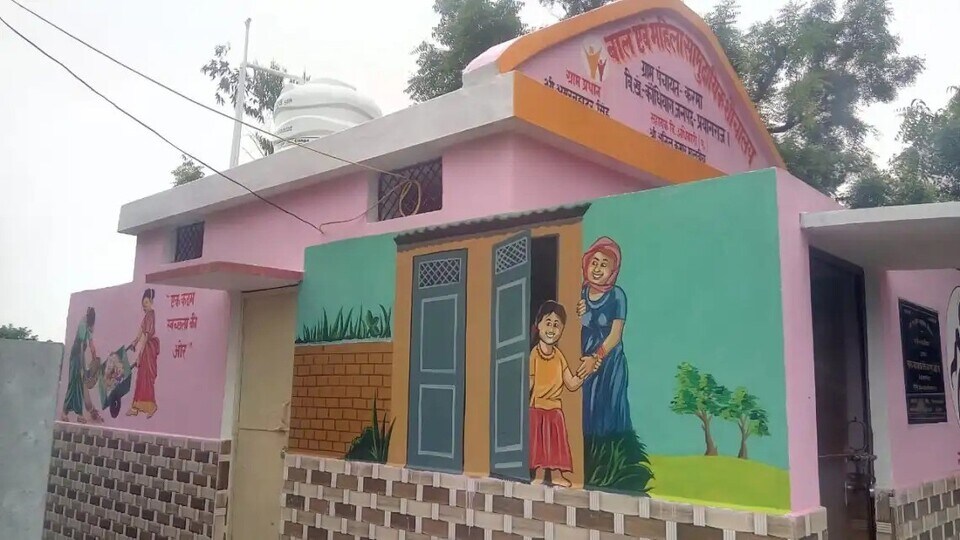
“The land freed from illegal possession in rural areas of the district is worth around ₹53 crore,” said VK Singh, chairman, Prayagraj district panchayat while confirming the plan. “With the aim of putting these freed plots to best public use, the district panchayat is constructing pink toilets on them for the benefit of out sisters, daughters and mothers. These toilets will go a long way in meeting the need of public toilets for women in rural areas,” he added.
Singh said the district panchayat was also in the process of constructing pink toilets in many police stations located in rural areas of the district. He said efforts were also under way to free the remaining eight plots of the total 47 from illegal occupations in coming weeks and construct pink toilets at these sites as well.
Many district and village panchayats in Uttar Pradesh have taken up the initiative to construct pink toilets. Pink toilets are an innovation under the Swachh Bharat Mission Grameen (SBM-G)— a country-wide campaign initiated by the Government of India in 2014 to eliminate open defecation and improve solid waste management.
The Uttar Pradesh government has provided facilities to women and girls of rural areas by constructing 4,450 pink toilets. The government has constructed 59,265 community toilets in urban areas and 652 pink toilets for women and girls.In order to maintain community toilets and cleanliness in rural areas, the state government has deployed 15,000 female sanitation workers and 70,000 general sanitation workers.


