E-Paper



UP govt to build 2.40 lakh toilets in next 100 days
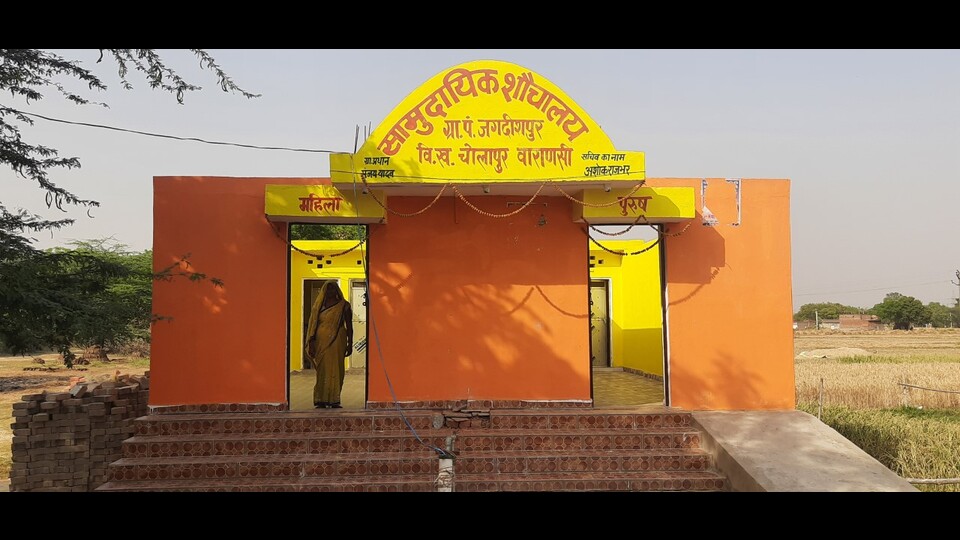
UP was declared ODF in 2018 after all the families in rural areas were provided individual household toilets. But 2.40 lakh new houses have been built since and so it was decided to build toilets for each of these houses, besides building 3499 community toilets in the next 100 days, as per an official.

 Prefer HTon Google


Lucknow: The Uttar Pradesh government will build 2.40 lakh individual household toilets in the next 100 days and start executing the action plan on plastic waste management in rural areas, apart from setting up biogas units in selected villages in the next six months, people in the know of things said.
The panchayati raj department has chalked out an action plan for implementing various schemes in the next 100 days to six months, as directed by chief minister Yogi Adityanath. The department is expected to give a detailed presentation on the plan to the cabinet next month.
“UP was declared ODF in 2018 after all the families in rural areas were provided individual household toilets. But 2.40 lakh new houses have been built since and we have decided to build toilets for each of these houses, besides building 3499 community toilets in the next 100 days,” an official said, requesting anonymity.
He said a massive public awareness and training programme would be launched in 10,000 village panchayats under the ODF plus scheme in the next 100 days. An ODF plus village, according to him, is a village that sustains its open defecation free (ODF) status, ensures solid and liquid waste management and is visually clean.
“We will also ensure commencement of the online attendance system for the village panchayat functionaries like sanitary workers, panchayat assistants and panchayat secretaries within the next 100 days to ensure that they join their work on time every day,” he said.
The department aims to conduct and complete a family survey in rural areas in the next six months to find out how many members in each family benefited from government schemes and whether those left out could be covered under the schemes.
“Another important plan we have to implement in the next six months is to launch a programme for plastic waste management in villages to control the amount of plastic waste in the environment by adopting environment-friendly disposal solutions.
“Similarly, we will set up pollution-free biogas units in 39 districts on a pilot basis under the Centre’s Gobardhan scheme under which beneficiaries get financial assistance up to ₹50 lakh per plant for production of green fuel on the one hand and better management of cattle,” the official said.
The department will also prepare panels of 10 civil engineers each in all the development blocks. The private civil engineers will help the panchayats prepare their construction plans.
“There is also a plan to send competent village pradhans to other states to learn best practices there and implement them in their panchayats and also provide training to all village panchayat, kshetra panchayat and zila panchayat members in the next six months” he said, adding that a training centre being built in Balia would also be ready in the next months.