E-Paper



UP’s power basket thermal-heavy despite renewable energy push
Thermal power forms the backbone of Uttar Pradesh’s installed capacity. Of the state’s total capacity, over 26,500 mw is thermal, contributed by state-owned generating companies (9115 mw), private producers (8814 mw and central sector (7621 mw) plants allocated to the state. This makes UP the largest thermal power state in the northern region, despite its lower overall capacity compared to Rajasthan.

 Prefer HTon Google


Uttar Pradesh remains one of the largest power-generating states in North India, ranking second in the northern region in terms of installed electricity capacity even as Rajasthan leads the region, driven by massive renewable energy additions, according to the latest report on the state-wise installed capacity by Central Electricity Authority (CEA).
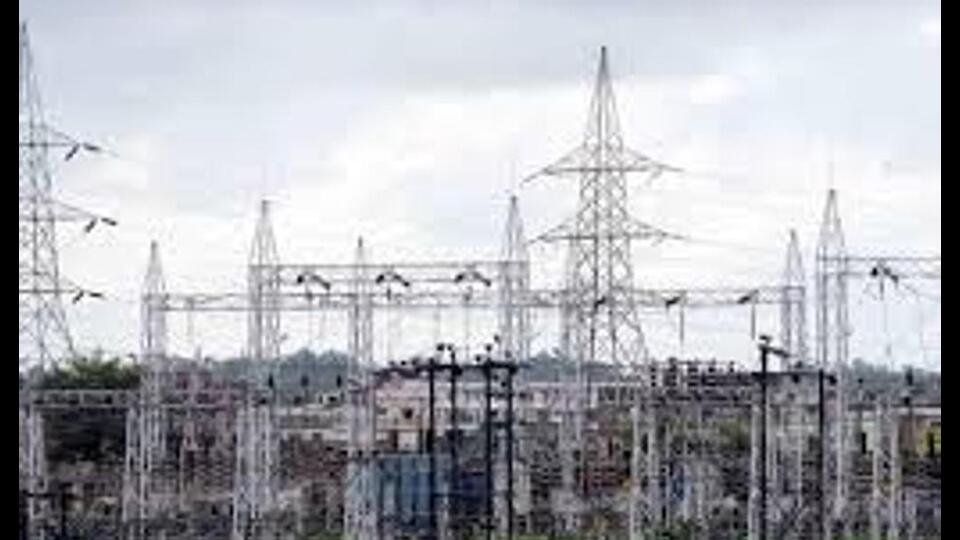
However, Uttar Pradesh needs to augment its capacity fast to keep pace with the growing power demand that is expected to cross 40,000 megawatt (mw) by 2030, according to officials.
The CEA report says Rajasthan tops the northern region with about 58,992 mw, largely driven by solar and wind power.
Uttar Pradesh follows with an installed capacity of around 36,700 mw, reflecting a generation mix still dominated by conventional sources.
Thermal power forms the backbone of Uttar Pradesh’s installed capacity. Of the state’s total capacity, over 26,500 mw is thermal, contributed by state-owned generating companies (9115 mw), private producers (8814 mw and central sector (7621 mw) plants allocated to the state. This makes UP the largest thermal power state in the northern region, despite its lower overall capacity compared to Rajasthan.
Despite all promotions, renewable energy still accounts for a relatively smaller share in UP’s power basket. The state has a little over 6,000 mw of renewable capacity, including solar, biomass and small hydro. In contrast, Rajasthan’s renewable capacity alone exceeds UP’s total installed capacity.
“In renewable, we cannot beat Rajasthan because unlike UP, Rajasthan has abundant wind and sun,” a senior energy department official said, “UP is making all efforts to increase its renewable share to decrease dependence on thermal by aiming to meet 40-50% of UP’s total power requirement through renewable energy by 2047,” he added.
Hydro power contributes a limited share of over 2,000 mw to UP’s capacity, while nuclear power of around 370 mw comes through central sector allocations. Hill states such as Himachal Pradesh and Uttarakhand continue to dominate hydro generation within the region.
At the northern regional level, total installed capacity stands at close to 1.5 lakh mw, with Rajasthan and Uttar Pradesh together accounting for a substantial share. While Rajasthan has emerged as the region’s renewable powerhouse, Uttar Pradesh’s capacity profile highlights its continued dependence on thermal power to meet its large and growing electricity dema
“UP requires adding both thermal and renewable energy to meet its future peak demand that has already surpassed that of Maharashtra, the highest in the country,” a UP Electricity Regulatory Commission (UPERC) official said. According to him, in a petition filed in the UPERC two years ago, the UPPCL estimated the peak demand in UP to be 40,690 mw by 2030.