E-Paper



Uttar Pradesh panel discusses lawmakers’ demand for raising Vidhayak Nidhi allocation
GST exemption, wider spending powers also discussed during first meeting of the newly constituted multi-member committee on the MLA Local Area Development Fund (Vidhayak Nidhi)

 Prefer HTon Google


In its first meeting on Saturday, Uttar Pradesh’s newly constituted multi-member committee on the MLA Local Area Development Fund (Vidhayak Nidhi) examined a wide-ranging set of demands from legislators, including increasing the annual allocation beyond the existing ₹5 crore, excluding Goods and Services (GST) Tax from the fund and expanding the scope of expenditure for public welfare.
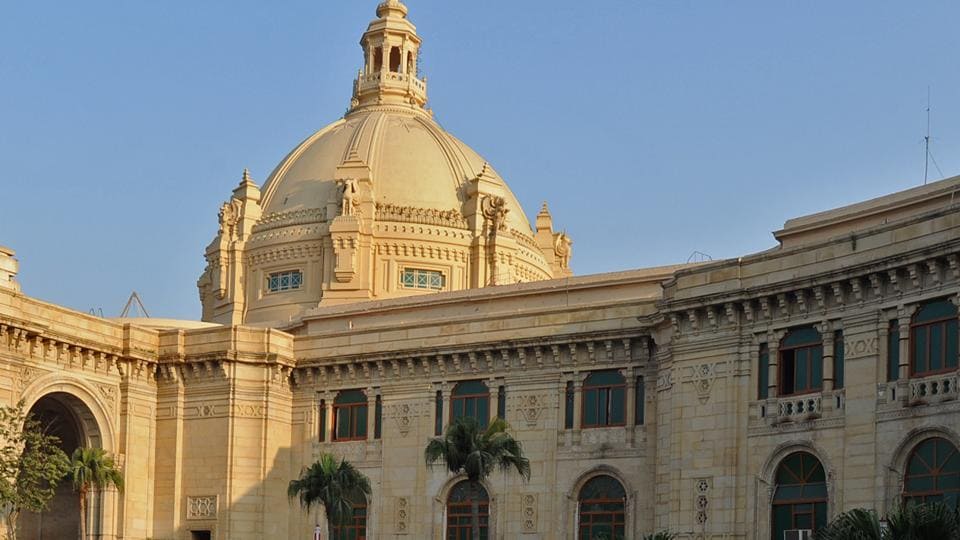
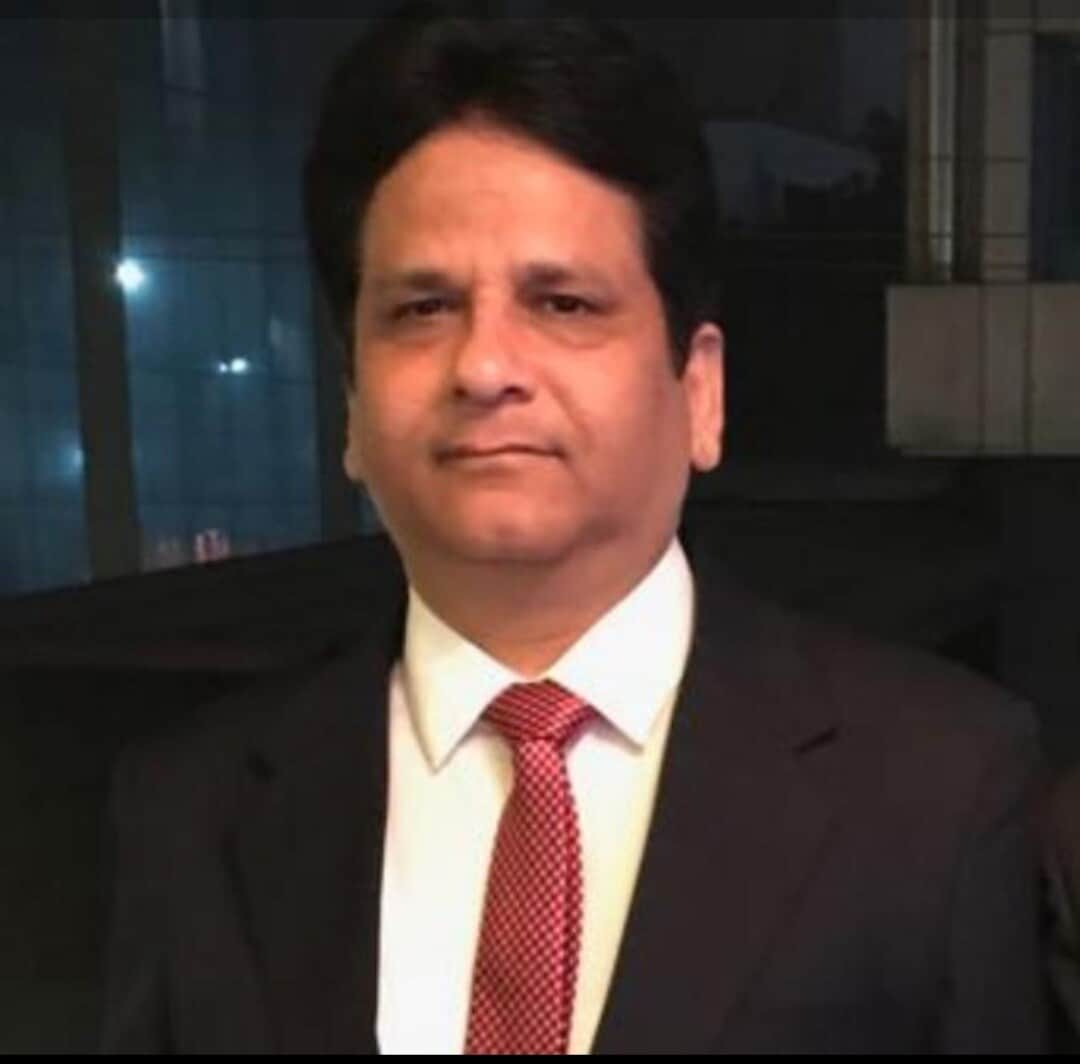
The 11-member committee, the first such panel constituted to exclusively review issues relating to the Vidhayak Nidhi, held its inaugural meeting under the chairmanship of UP assembly speaker Satish Mahana. Ten members attended the meeting, which was also attended by senior rural development department officials, including principal secretary Sourabh Babu and rural development commissioner Gouri Shankar Priyadarshi.
According to those privy to the meeting, a major issue discussed was the legislators’ demand for increasing the annual Vidhayak Nidhi allocation from the present ₹5 crore. The MLAs argued that the corpus should be revised upward to match rising project costs. The last enhancement in the fund was made from ₹3 crore to ₹5 crore in 2023.
Another key demand was that the fund should be released exclusive of the GST. Legislators pointed out that nearly ₹90 lakh, equivalent to 18% GST, is effectively deducted from the annual allocation, reducing the amount available for development works. They suggested that the GST component should be provided separately so that the entire ₹5 crore can be utilised for projects.
The committee also deliberated on expanding the provision for financial assistance to poor patients through the Vidhayak Nidhi. Members sought an increase in the annual ceiling for medical assistance from ₹25 lakh to ₹50 lakh. They also proposed deleting the condition that assistance can be extended only for “incurable” diseases.
Under the existing rules, an MLA can recommend financial assistance of up to ₹1 lakh per patient for treatment of incurable diseases, subject to the beneficiary’s annual income not exceeding ₹1 lakh.
Other suggestions included raising the ₹2 lakh ceiling for distributing motorised tricycles to persons with disabilities, allowing legislators to undertake works outside their home districts, and releasing the entire annual allocation in one instalment instead of the present two instalments in April and October, enabling better planning and execution of development projects.
Among the members present were Ashish Kumar Singh (Ashu), Manish Asija, Pinki Singh, Rajendra Kumar, and Kamal Akhtar, among others.
The committee will now forward its recommendations to the rural development department, which will examine the proposals and prepare a Cabinet note for the state government’s consideration.
Officials, however, indicated that while proposals such as enhancing the medical assistance limit could find acceptance, the demand to increase the overall Vidhayak Nidhi allocation may not be favourably considered at this stage since it was revised only in 2023.
“The proposal to keep GST outside the fund also appears unlikely to be accepted, with officials indicating that the speaker himself expressed reservations over the suggestion during the meeting,” a senior official said.