
 E-Paper



World Hypertension Day: Survey finds fast food, pressure to perform turning kids hypertensive
Fast food, pressure of meeting expectations from a young age is affecting the health of school going children who are turning hypertensive, a survey has revealed

 Prefer HTon Google


Fast food, pressure of meeting expectations from a young age is affecting the health of school going children who are turning hypertensive, a survey has revealed.
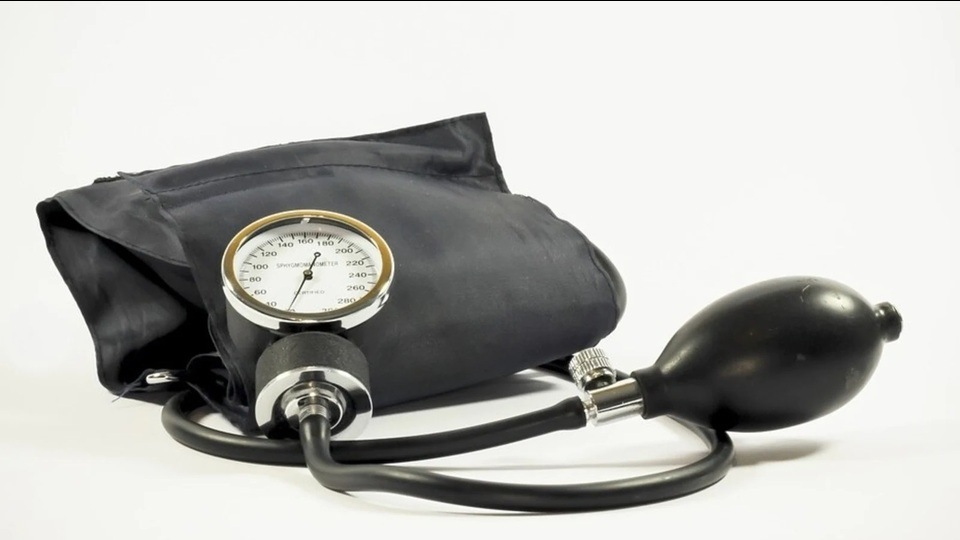
The survey revealed around five percent of the school going children in Lucknow were found to be suffering from high blood pressure.
Around 5000 students from different schools were surveyed by Vandana Awasthy, who did her PhD from KGMU and Dr Abhinav Verma.
“The samples size of the survey was done on over 5000 students between 12 to 18 years of age at different institutions and we have shared these findings. But, the exercise is still underway as more students are being contacted,” said prof NS Verma, HoD physiology at the King George’s Medical University who guided the surveyors. “The main reason for this is children preferring to buy food from outside over home tiffin. The other key takeaway of this is that the children are under tremendous pressure to perform now,” professor Verma said. Professor Verma is also the secretary general of the Indian Society of Hypertension.
“During our time we faced pressure only after class 10. Now, students in fourth or fifth standards too are under pressure to perform as they are supposed to decide a career, be it engineering or medical, at a very young age,” professor Verma said. The KGMU professor said that since BP of children isn’t monitored regularly, the extent of students being hypertensive isn’t known. “In the US a survey said 5 per cent of the students there were hypertensive due to obesity but here the reasons are different,” he said. Even among adults, half of the people suffering with hypertension are not aware that they are hypertensive and that their vital organs such as brain, heart, and kidney are at risk, he said.
“A pan India survey that included 1.50 lakh people from 105 centres in India found 50% were not aware of their hypertensive status,” prof Verma said.
Prof Verma, along with Dr Anuj Maheshwari, the coordinator of Indian Society of Hypertension, had supervised the sample survey in India. “After 2019 there has been no such survey with such big sample size,” he added. The survey included people over 25-years of age and covered those who hadn’t got their blood pressure monitored in the past one year.
“Among elderly too high blood pressure causes damage to capillaries, the smallest blood vessels that form the connection between the vessels that carry blood away from the heart (arteries) and the vessels that return blood to the heart (veins),” said Dr Abhishek Shukla, secretary general association of international doctors.
“The major damage with prolonged high blood pressure is to the brain where small capillaries suffer irreversible damage. The heart, kidneys are the next vital organ to sustain damage from hypertension,” said prof Verma.


