
 E-Paper



100 trees will have to be felled to construct alternative tank for Malabar Hill reservoir repairs
According to conservative estimates and sources within the BMC’s hydraulic department, at least 100 trees are expected to be felled. The construction of the alternative tank is a key recommendation in the final technical report submitted by IIT Roorkee

 Prefer HTon Google


Mumbai: After three years of delays and sustained public opposition, efforts to preserve the green cover at Malabar Hill have fallen short. The felling of trees for the construction of an alternative water tank—part of the repair plan for the 135-year-old Malabar Hill reservoir—has been deemed unavoidable.
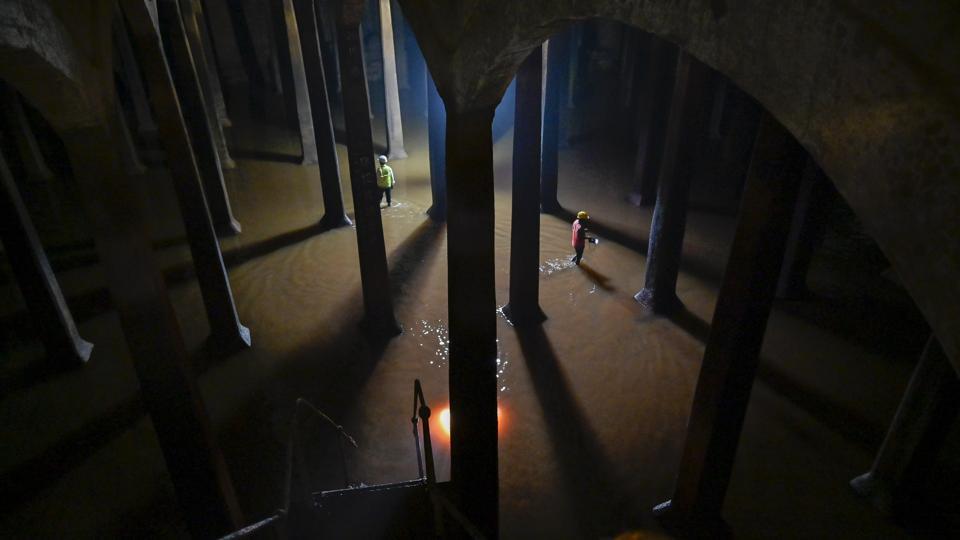
According to conservative estimates and sources within the BMC’s hydraulic department, at least 100 trees are expected to be felled. The construction of the alternative tank is a key recommendation in the final technical report submitted by IIT Roorkee.
Initially, the BMC had planned to demolish the entire reservoir. However, the IIT Roorkee study concluded that a complete demolition was unnecessary—a finding that is expected to save the civic body nearly ₹1,000 crore and preserve the iconic Hanging Gardens situated above the reservoir.
“The alternative tank will be designed with a minimal footprint to reduce environmental impact,” said Abhijit Bangar, additional municipal commissioner (projects). He added that efforts would be made to protect older and more ecologically valuable trees. “It’s not just about the number of trees, but also their species and age. We will try to retain trees that are over 50 years old,” he said.
Despite these assurances, BMC officials acknowledge that significant tree loss is inevitable. “It’s not technically feasible to leave the adjacent plot untouched, though we appreciated and considered citizens’ inputs,” Bangar admitted.
The IIT Roorkee report evaluated two options: constructing an alternative tank or conducting compartmentalised repairs on the existing structure. Although the latter was technically viable, it would require substantial disruption to the Hanging Gardens—an outcome authorities were keen to avoid. The recommendation to proceed with the alternative tank was made with this in mind.
The report also proposes a 52 million litres per day (MLD) capacity for the new tank. However, BMC officials are still assessing whether this will suffice. At present, the existing reservoir supplies water in three cycles daily, amounting to approximately 240 MLD. “We need clarity on whether the new tank can support current requirements. Only then will we finalise the layout,” Bangar said.
While the prolonged delay helped stave off the complete demolition of the historic reservoir and a three-year closure of the Hanging Gardens, the goal of preserving the full green cover remains unfulfilled.
The next phase involves finalising the tank’s design based on updated capacity requirements, with a continued focus on minimising ecological damage.


Stay updated with all the Breaking News and Latest News from Mumbai. Click here for comprehensive coverage of top Cities including Bengaluru, Delhi, Hyderabad, and more across India along with Stay informed on the latest happenings in World News.


