E-Paper



78% increase in tree population in Navi Mumbai in 8 years
Navi Mumbai's recent tree census reveals a total of 15,28,779 trees, with a 78% increase in 8 years. Indigenous species dominate, but more planting needed

 Prefer HTon Google


NAVI MUMBAI: A recent tree census by the Navi Mumbai Municipal Corporation (NMMC) has revealed a total of 15,28,779 trees in the city, marking a 78% increase over the past eight years. The previous census in 2015 recorded 8,57,295 trees, with the current figure showing an addition of 6,71,484 trees. The census, delayed due to various reasons including the COVID-19 pandemic, was conducted by Ornet Technologies Pvt Ltd, costing around ₹3 crore, and took place between December 2023 and May this year.
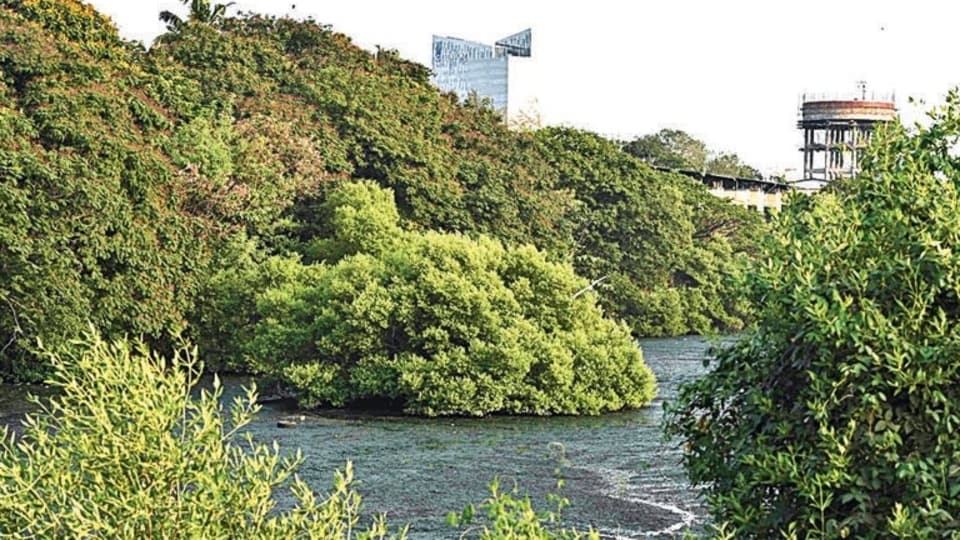
The data indicates a predominance of indigenous trees, with 11,43,937 native species such as kaduneem, bor, amba, peepal, vad, and umber. However, there are also 3,84,842 non-indigenous trees like gulmohar, sonmohar, vilayati babul, foxtail palm, vilayati chinch, and royal palm. The census found 1,638 heritage trees and identified 216 species, of which 126 are native and 90 exotic. 99.2% of the tree population, amounting to 15,15,955 trees, are healthy.
Dominant species in the city include Sag (Teak), Subabul (Leucaena leucocephala), Gulmohar (Delonix regia), Sonmohar (Peltophorum pterocarpum), and Asupalav (Polyalthia longifolia). Among vegetable trees, Shevga (Drumstick) is prevalent, while Bor (Ziziphus mauritiana), Naral (Coconut), and Amba (Mango) are the most common fruiting trees.
Dilip Nerkar, NMMC deputy municipal commissioner (Garden), explained, “The tree census was conducted for trees with a girth of 10 cm or more and over 3 metres in height. Using GIS/GPS technology and manual efforts, the data was mapped to satellite imagery of NMMC. This also provided a web application for tree cutting, pruning activities, and a web portal for the management of the collected data.”
Nerkar added, “The report commends Navi Mumbai’s commitment to preserving and enhancing its green cover, supporting a balance between flora and fauna, and ensuring a healthier urban environment. Navi Mumbai serves as a model for integrating nature into urban planning, promoting harmony between humans and the natural world.”
Tree activist Aba Ranware highlighted the need for more indigenous trees, stating, “The current ratio of indigenous to exotic species shows a higher presence of the latter. Species like Subabul and Gulmohar, though planted for their rapid growth and decorative appeal, do not provide the same ecological benefits as native species.”
Ranware emphasised the importance of planting more indigenous trees to improve ecological balance and urban sustainability, as they support biodiversity and environmental adaptability. He also stressed the need for better conservation efforts, noting that many planted trees do not survive due to inadequate care. Ensuring their survival could lead to even greater increases in the tree population by the next census, which is crucial as pollution levels in the city continue to rise.