
 E-Paper



A 26-km betterment plan, for a smoother ride on Western Express Highway
BMC plans to improve the 26-km Western Express Highway by addressing bottlenecks, enhancing road quality, and standardizing infrastructure elements.

 Prefer HTon Google


Mumbai: A ribbon of change could soon run through the western suburbs. At a meeting held on Thursday, the Brihanmumbai Municipal Corporation (BMC) said it would draft a policy aimed at vastly improving the vital, 26-km stretch of the Western Express Highway (WEH) that runs from Bandra East to Dahisar.
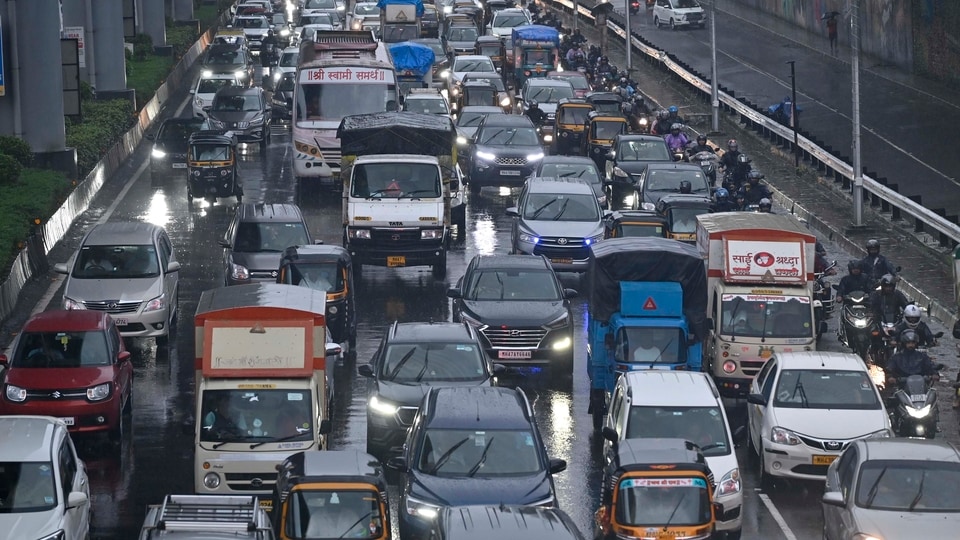
In a first-of-its-kind such effort, the detailed proposal involves removing bottlenecks, improving road quality, creating standardised norms for elements such as footpaths, medians, signage and railings. The effort, if it unfolds as planned, could provide relief to an estimated 2.2 million motorists who use the WEH every day.
The plan was unveiled by civic chief and administrator Bhushan Gagrani, who has urged agencies ranging from the BMC and traffic police to the Maharashtra State Road Development Corporation (MSRDC) to collaborate on the effort.
This stretch of the highway is free of potholes, Gagrani claimed, but the quality of roads should be improved. As a first step, he has instructed the deputy municipal commissioner for infrastructure, Ulhas Mahale, to formulate a standard operating procedure (SOP) for subtle alterations that could help ease the long-standing issue of bottlenecks. The joint commissioner of police for traffic, Anil Kumbhare, has been asked to offer detailed recommendations too.
“The 26km stretch cuts through nine wards, from H East in Bandra to R North in Dahisar,” Gagrani told HT. “I observed that civil maintenance keeps changing, causing differences in footpaths, median, signage. There should be an SOP for these tasks, which are undertaken at the ward level.”
At some places, traffic signals need to be added, at other places, narrow roads need widening, and in some cases scrap vehicles need to be removed. All this will aid in getting rid of the bottlenecks,” Gagrani said. “While there are no potholes, mastic technology results in the formation of humps, and the endeavour is to minimise those humps too.”
Agencies working together will be key. It will be vital for the BMC, traffic police and MSRDC to collaborate, in order improve road quality and reduce congestion, Gagrani emphasised. He added that the BMC is also collaborating with the Indian Institute of Technology-Bombay (IIT-B) on road-concretisation and that IIT’s expertise could also be used to help implement other measures too.
Immediate steps should be taken to improve rainwater drainage, as this worsens the situation in the monsoon, he added. “Sewage drains must be sealed and not left open, and the drainage covers along the highway should be sturdy. Additionally, streetlights along the highway, including those on flyovers and underpasses, must be in good condition,” added Gagrani.
He instructed the traffic police to issue no-objection certificates for road development works promptly to ensure smooth progress of the highway-improvement plan.
“Certain areas could benefit from resurfacing. It should also be considered whether beautifying both sides of the highway is feasible. Regular cleaning of the road dividers and footpath stone edges is essential. Additionally, the road dividers could be given an attractive colour scheme, and greenery should be planted along them. Where necessary, zebra crossings should be added for pedestrians,” he said.
Easy Does It: How the ride will be made smoother
* Traffic signals will be added, narrow roads widened, and scrap vehicles removed, among other steps, in order to ease bottlenecks. Deputy municipal commissioner for infrastructure, Ulhas Mahale, and joint commissioner of police for traffic, Anil Kumbhare, to offer detailed suggestions.
* Road quality to be improved, with resurfacing in some areas, particularly where mastic technology has resulted in humps.
* Rainwater drainage to be improved, to prevent intensified logjams in the monsoon.
* Standardised norms to be instituted for elements such as footpaths, medians, signage and railings, to ensure uniformity.
* BMC is also collaborating with IIT-Bombay on road-concretisation and that institute’s expertise may be used to help implement other measures too.

Stay updated with all the Breaking News and Latest News from Mumbai. Click here for comprehensive coverage of top Cities including Bengaluru, Delhi, Hyderabad, and more across India along with Stay informed on the latest happenings in World News.


